Seasonal Plant Care: Adjusting for the Changing Year
Adapt your plant care routine throughout the year to keep your houseplants healthy and thriving.
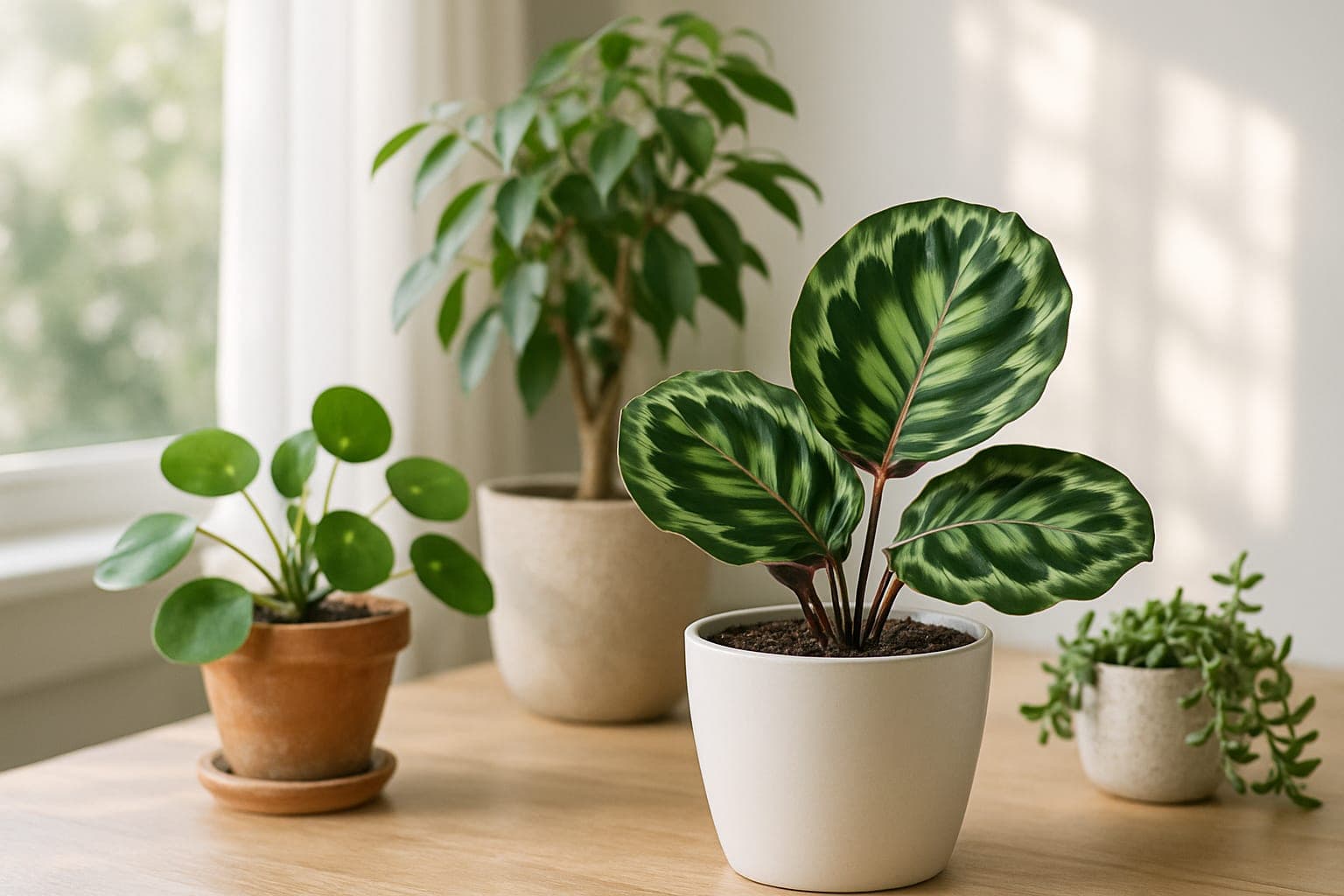
Adapting your plant care routine to the changing seasons is essential for maintaining healthy houseplants. Although indoor plants are sheltered from outdoor weather extremes, they still react to variations in light, temperature, and humidity. By adjusting your care practices, you can ensure your plants thrive throughout the year.
Spring Care (March-May)
Spring marks the beginning of the active growing season for most plants.
What to Do:
- Resume regular fertilising every 2-4 weeks.
- Increase watering frequency as growth accelerates.
- Repot root-bound plants.
- Start propagation projects.
- Move plants back from windows as days lengthen.
- Prune winter damage and shape plants.
- Inspect for pests emerging from dormancy.
Summer Care (June-August)
Summer is the peak growing season, with maximum light and warmth.
What to Do:
- Water more frequently in hot weather.
- Continue regular fertilising.
- Provide shade from intense afternoon sun.
- Increase humidity if using air conditioning.
- Move plants outdoors gradually if desired.
- Monitor for spider mites, which thrive in hot, dry conditions.
- Rotate plants for even growth.
Fall Care (September-November)
As days shorten, plants begin to slow down.
What to Do:
- Reduce fertilising frequency to monthly or stop.
- Decrease watering as growth slows.
- Bring outdoor plants inside before frost.
- Inspect and treat any pests before bringing plants in.
- Move plants closer to windows for more light.
- Clean leaves to maximise light absorption.
- Prepare grow lights if needed.
Winter Care (December-February)
Winter is a period of dormancy or slow growth for most houseplants.
What to Do:
- Water sparingly as soil dries slower.
- Stop fertilising or use half strength monthly.
- Increase humidity as heating dries the air.
- Keep plants away from cold drafts and heat vents.
- Reduce temperature slightly at night (16-18°C).
- Supplement with grow lights if natural light is insufficient.
- Avoid repotting or major pruning.
Common Seasonal Problems
Leaf Drop in Fall/Winter
Normal for some plants, like ficus and hibiscus, adjusting to reduced light. Not usually a concern unless excessive.
Slow Growth in Winter
Completely normal. Avoid forcing growth with excessive fertiliser or water.
Pests in Spring/Summer
Warm temperatures and new growth attract pests. Inspect regularly and treat promptly.
Dry Leaf Tips in Winter
Indoor heating reduces humidity. Use pebble trays, humidifiers, or group plants together.
Transition Tips
When moving plants between outdoors and indoors:
- Acclimate gradually over 1-2 weeks.
- Start in shade, gradually increase light exposure.
- Inspect thoroughly for pests before bringing inside.
- Expect some adjustment period and possible leaf drop.
Exceptions to the Rule
Some plants have different growth cycles:
- Amaryllis, cyclamen: Winter bloomers, dormant in summer.
- Cacti: May need a winter rest period with cooler temperatures.
- Holiday cacti: Require specific light cycles to bloom.
Remember, patience is key. Plants may take time to adjust to seasonal changes, so observe and respond to their needs accordingly.
Tools and supplies for this
Products we'd actually buy for this job. Linking to Amazon — if you buy through these links we earn a small commission at no extra cost to you.
- Weston Mill Pottery Terracotta plant pots, 175mm (pack of 10)
Mid-size workhorse terracotta — perfect step-up for plants outgrowing their nursery pots.
- Weston Mill Pottery Terracotta plant pots, 20cm (pack of 5)
Heavyweight 20cm clay for established plants — the porous walls help prevent the soggy roots aroids hate.
- Whitefurze G04012 7.5cm Garden Pot - Terracotta (Set of 10)
Cheap, cheerful plastic propagation pots — what we actually use for cuttings and small offsets.
- Whitefurze G04013 10cm Garden Pot - Terracotta (Set of 7)
Reliable mid-size nursery pots with proper drainage holes — the boring essential every plant parent runs out of.
Maria Rodriguez
Horticulturist
Passionate about helping plant parents succeed with expert tips and proven techniques.
Related Articles
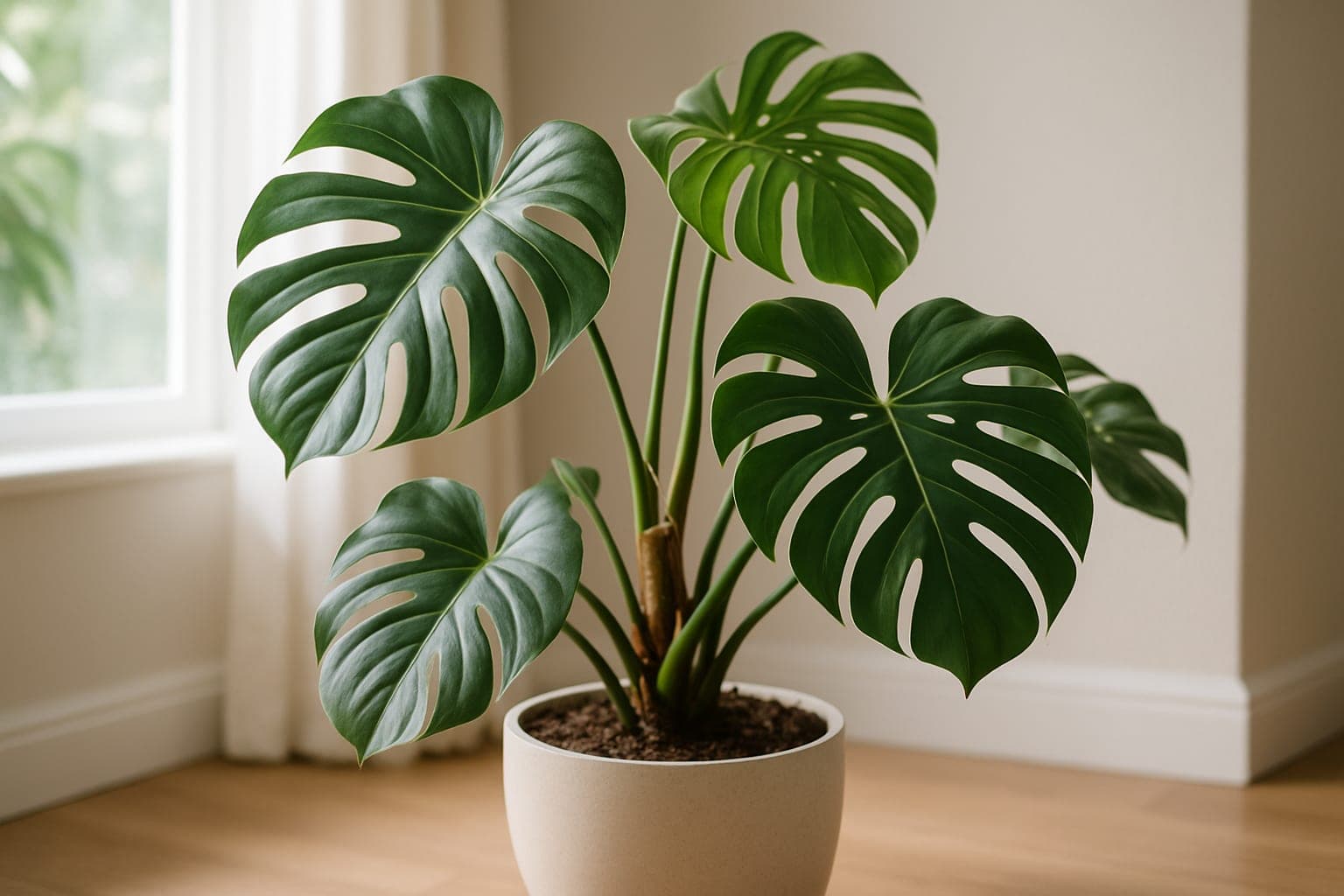
Monstera Deliciosa Care Guide
The Monstera deliciosa, or Swiss cheese plant, is a rewarding tropical climber prized for its dramatic split leaves. This guide covers everything from light and watering to moss poles and the secrets behind those iconic fenestrations.

Understanding Plant Watering: A Complete Guide
Master the art of watering with our comprehensive guide covering frequency, techniques, and common mistakes.

Comments(0)
No comments yet — be the first.