Humidity 101: Keeping Tropical Plants Happy
Master humidity management for healthy, thriving tropical houseplants.

Why Humidity Matters
Most tropical plants evolved in humid rainforests. Dry indoor air can cause brown tips, crispy edges, and pest problems.
Measuring Humidity
Use a hygrometer. Most tropicals prefer 50-60% humidity. Average homes are 30-40%.
Increasing Humidity
- Group plants together (creates microclimate)
- Use pebble trays filled with water
- Run a humidifier (most effective)
- Place plants in naturally humid rooms (bathroom, kitchen)
Plants That Love Humidity
Calathea, ferns, orchids, anthuriums, and most aroids.
Tools and supplies for this
Products we'd actually buy for this job. Linking to Amazon — if you buy through these links we earn a small commission at no extra cost to you.
- Weston Mill Pottery Terracotta plant pots, 175mm (pack of 10)
Mid-size workhorse terracotta — perfect step-up for plants outgrowing their nursery pots.
- Weston Mill Pottery Terracotta plant pots, 20cm (pack of 5)
Heavyweight 20cm clay for established plants — the porous walls help prevent the soggy roots aroids hate.
- Whitefurze G04013 10cm Garden Pot - Terracotta (Set of 7)
Reliable mid-size nursery pots with proper drainage holes — the boring essential every plant parent runs out of.
- Whitefurze 4 Large Plastic Plant Pot 17cm 7Inch (terracotta colour)
Lightweight 17cm pots for repotting medium foliage plants without the weight penalty of clay.
Carlos Rivera
Tropical Plant Expert
Passionate about helping plant parents succeed with expert tips and proven techniques.
Related Articles
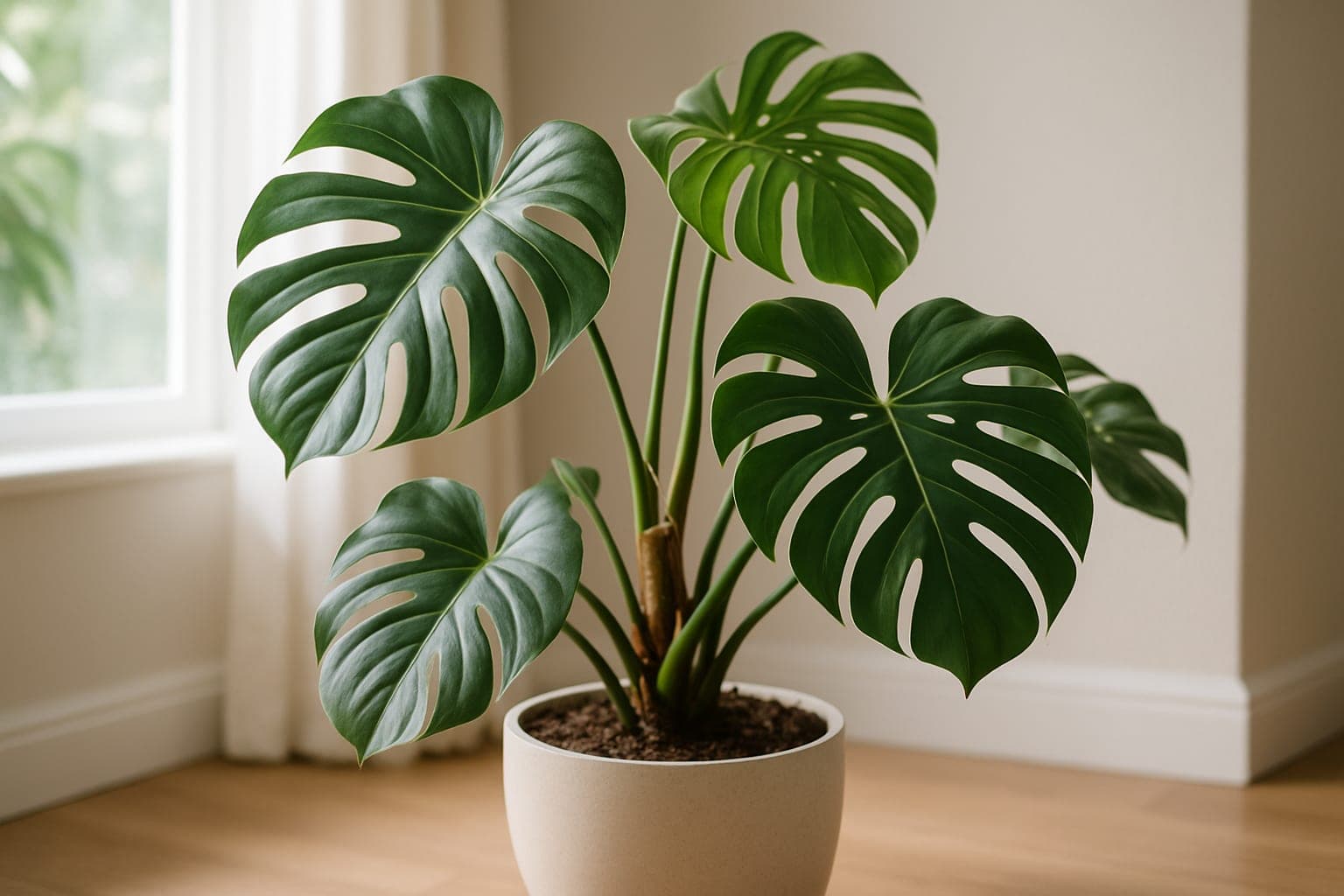
Monstera Deliciosa Care Guide
The Monstera deliciosa, or Swiss cheese plant, is a rewarding tropical climber prized for its dramatic split leaves. This guide covers everything from light and watering to moss poles and the secrets behind those iconic fenestrations.
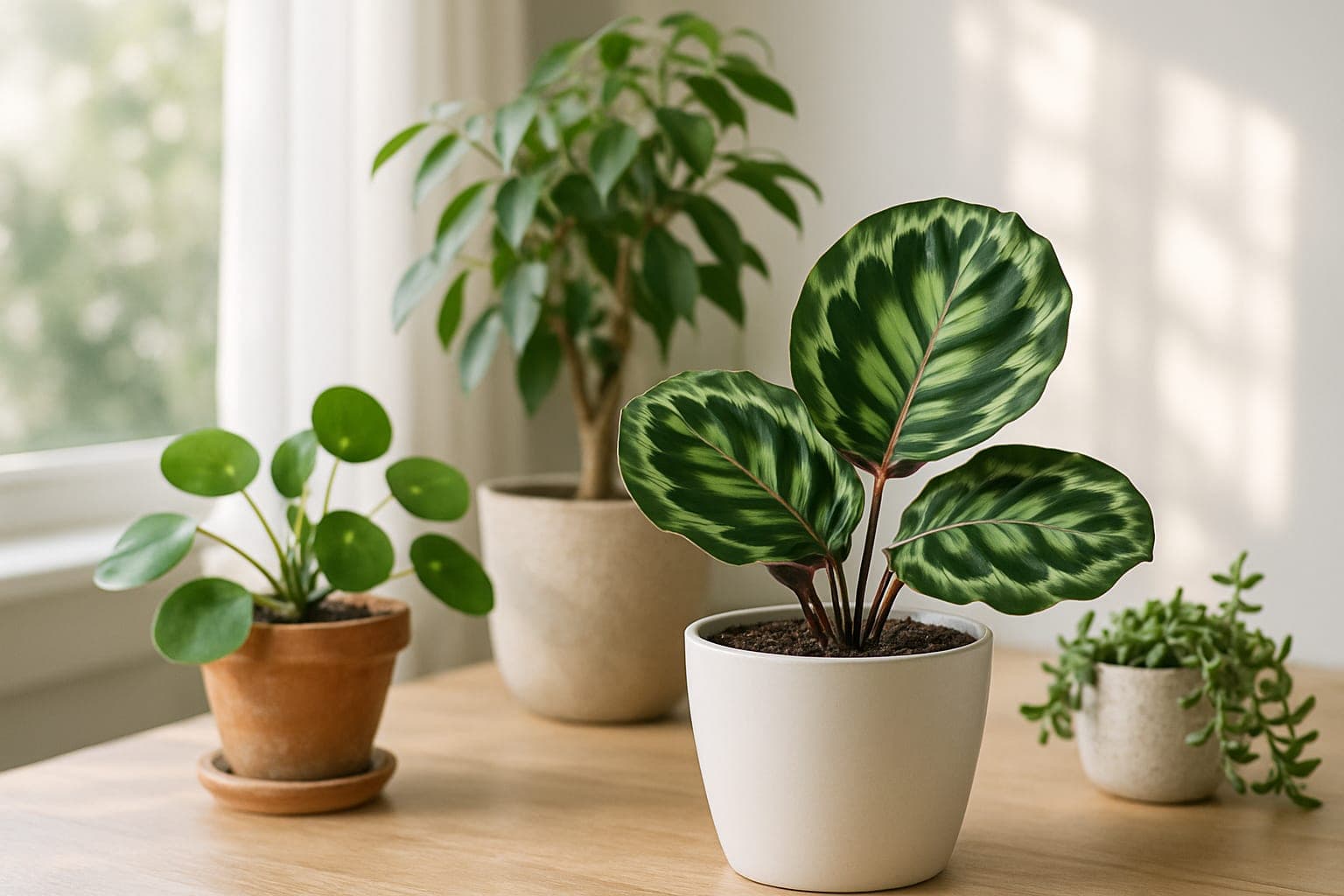
Seasonal Plant Care: Adjusting for the Changing Year
Adapt your plant care routine throughout the year to keep your houseplants healthy and thriving.

Comments(528)
I've killed more herbs than I'd like to admit by underestimating how much my tropical basil and mint actually crave humidity—turns out "misting occasionally" wasn't cutting it! This post sounds like exactly what I needed; I'm curious to hear your take on whether a pebble tray really moves the needle or if I should finally invest in a small humidifier for my five plants. My kitchen gets pretty dry, and I suspect that's been sabotaging my culinary herb game more than anything else.
I've learned the hard way that humidity matters way more than I thought—my first ficus nearly died until I stopped obsessing over misting and just grouped my tropicals together on a shelf. That clustering thing actually works because they create their own microclimate, and I noticed my calathea stopped with the crispy leaf edges within a month. Would love to see your specific setup if you use a humidifier versus that method.
I've found humidity matters way more for some tropicals than others—my chili peppers honestly don't care if it drops to 40%, but I had to learn the hard way that inconsistent humidity triggers flower drop faster than anything else. The key for me has been accepting that I can't maintain rainforest levels in a normal home, so I focus on the plants that actually tolerate my conditions rather than fighting it. Would love to see a follow-up on which tropical vegetables specifically handle drier air, since most guides gloss over that.
I totally get that approach—I've killed more plants fighting my arid climate than I care to admit! My orchids taught me the same lesson about inconsistency being worse than just accepting lower humidity; I stopped obsessing over misting and instead grouped them near each other so they create their own little microclimate. The flower drop thing hits hard when you're not expecting it. Your point about picking plants for your conditions rather than against them is honestly the sanest plant wisdom out there.
I've found that humidity matters way less than people think once you nail the fundamentals—watering, drainage, light. That said, my orchids (growing in a cold climate, so naturally drier) genuinely do better clustered together on one shelf than spread out. I'd have a photo showing the difference in leaf texture, but the real win was just accepting my space won't hit 60% humidity and choosing plants accordingly. Some of those tropical care guides assume greenhouse conditions that most of us don't have.
I'd push back slightly on the "high humidity solves everything" angle that often comes up with tropical plants. I keep orchids in a fairly humid tropical climate, and I've found that air circulation matters just as much—without it, you're inviting fungal issues faster than the humidity helps. A humidity meter is great, but I'd argue observation beats a target number; my plants thrive anywhere from 50–75% depending on the season, and they're far happier with inconsistent humidity and good airflow than stagnant air at 80%.
I've been struggling with humidity for some of my tropical plants—they're not tropical vegetables, but I do grow *Capsicum annuum* indoors and it's taught me a lot about air moisture. The thing is, most of my collection sits in a temperate climate, so maintaining that sweet spot is tricky! I mist occasionally, but I'm curious whether grouping plants closer together actually makes a meaningful difference, or if I should invest in a humidifier instead?
Grouping plants together definitely helps—they create a microclimate that retains moisture better than solo specimens, especially in drier Mediterranean conditions like ours. That said, if you're serious about tropicals, a humidifier is worth the investment since misting alone tends to be inconsistent and can encourage fungal issues. Have you considered a pebble tray setup as a middle ground, or are your plants already on one?
This is SO relevant to my setup—I keep my tropical plants in a pretty dry climate, and humidity was honestly my biggest struggle at first. I've learned the hard way that grouping plants together actually makes a huge difference; it creates a little microclimate that helps them out. Now I mist my Monstera and Philodendrons every few days and I swear they're happier. Are you a fan of humidifiers, or do you find the grouping method works just as well?
I've killed more plants than I'd like to admit by assuming "tropical" just meant watering more often—turns out humidity is its own beast entirely! My monstera and pothos finally perked up once I stopped treating them like desert plants and started grouping them together, which has honestly made a huge difference in my cold apartment. Do you have any tricks for maintaining humidity without making everything feel like a sauna, or is that kind of the tradeoff?
I've learned the hard way that humidity matters way more than I thought—my first calathea basically shriveled before I figured it out. Now I just group my plants together on a tray with pebbles and water underneath, and honestly it's the simplest fix. I'd take a photo of my setup to show how little effort it takes, but the real win is watching new growth actually unfurl instead of browning at the edges. Definitely needed this post when I started!
I've been growing tropical plants in my temperate apartment for years now, and humidity is honestly the biggest game-changer I've learned—it made such a difference with my monsteras and anthuriums! I actually just got a hygrometer last year and realized my humidity was way lower than I thought, which explained some crispy leaf edges I'd been dealing with. Do you have recommendations for keeping humidity steady without a humidifier, or is that something you cover in the full post? I'd love to see what methods work best since I've had mixed results with pebble trays.
I've learned this the hard way with my monstera and pothos—I used to think misting was enough, but once I grouped my tropicals together on a pebble tray in my cold apartment, they transformed! The cluster effect plus the water underneath actually creates a microclimate that makes such a difference, especially when your home is dry in winter. Do you find grouping plants works better for people in really cold climates, or is it more about overall humidity levels?
I've been wrestling with humidity for my potted *Ocimum basilicum* this winter—it's technically not tropical, but I'm in a temperate zone so the dry indoor air has been brutal. This post is super timely because I've been trying different methods and honestly wasn't sure which ones actually make a difference versus just feeling helpful. Do you have thoughts on whether misting really works, or is it mostly just a temporary fix? I feel like I'm chasing the humidity levels constantly.
I've been struggling with humidity for my Monstera deliciosa and a few other tropicals since I moved to a drier climate, so this post is exactly what I needed! I started grouping my plants closer together and misting in the mornings, which seems to help, but I'm curious whether a humidifier would actually make a noticeable difference or if there are cheaper ways to maintain consistent levels. Do you have a preference between those approaches?
I totally get it—I moved somewhere cold and dry a few years back and my herbs suffered until I figured out what worked! Grouping plants is smart, but honestly, a cheap humidifier from Amazon made the biggest difference for me, especially since misting only lasts a few hours. If budget's tight though, try setting plants on pebble trays with water instead; I do that for my basil and it actually helps more than I expected without the electricity cost.
I've learned the hard way that humidity matters far more than people think—my *Anthurium* clarinervium sat in 40% RH for months and barely grew until I grouped it with my other tropicals on a pebble tray. The collective transpiration actually made a noticeable difference without fussing over a humidifier. That said, air movement is just as critical; stagnant, humid air invites fungal issues, so I always pair humidity with decent air circulation in my space.
I learned this the hard way when my first fern turned crispy despite regular watering—turns out I was neglecting humidity entirely. Now I group my tropical plants together on a tray with pebbles and water underneath, and the difference is night and day. A small humidifier has also been a game-changer for my collection since I live in a pretty dry climate.
That pebble tray method is solid—I've had good results with it too, though I'd note the grouping strategy works best when you're actually increasing vapor pressure around the plants rather than just creating ambient moisture. A humidifier is probably the more reliable route for consistent results, especially in dry climates. I've found that misting alone (which a lot of guides still recommend) rarely maintains the 60%+ humidity that most tropical species actually need, so you're on the right track skipping that in favor of passive or active humidity.
I've been struggling with humidity for my tropical plants—I think that's actually why my first fern didn't make it. I'm in Arizona, so everything feels super dry here, and I've been hesitant to add tropical plants to my collection because of that. Do you have any tips for dealing with really arid climates, or should I just stick with my succulents and native desert stuff for now?
Great timing on this—I've been wrestling with humidity in my mediterranean apartment, and I think a lot of folks assume "tropical plants need humidity" means they all need the same thing. My *Anthurium clarinervium* does fine with 45–50%, but my *Monstera deliciosa* really starts showing brown leaf tips below 55%. Are you covering the sweet spot where most houseplant humidity needs actually overlap, or diving into species-specific thresholds? Would love to know your take on whether grouping plants by humidity tolerance is worth the effort of creating microclimates.
Good observation about the variation—I've found the same thing with my herbs and tropical plants. *Ocimum basilicum* honestly prefers drier air than most tropical houseplants, which is why I keep it separate from my *Piper nigrum*, which does sulk below 55%. I think grouping by tolerance is worth it if you're already tending multiple plants anyway; a simple humidifier near your thirstier species beats fighting humidity levels that satisfy no one.
I appreciate the focus on humidity, though I'd gently push back on the idea that all tropical plants need the same approach. I grow mostly succulents in an arid climate, so I've had to learn that even "tropical" species like certain Echeveria or Crassula varieties can thrive with far less moisture in the air than people assume—it really depends on their native habitat and what you're actually cultivating indoors. The principles you're covering are solid, but it's worth remembering that humidity needs vary wildly even within tropical groups.
I've learned the hard way that humidity matters way more than I thought—my first attempts at growing *Ocimum basilicum* indoors were disasters until I stopped obsessing over misting and actually invested in a cheap humidifier. Since most of my collection is herbs suited to colder climates, I don't deal with true tropical species much, but the principles around moisture in the air definitely carry over to keeping basil and other tender herbs from getting crispy. Do you find that grouping plants together works just as well as running a humidifier, or do you really need both?
I've learned the hard way that humidity matters way more than people think—my first Monstera got spider mites because I ignored it. Now I just group my tropicals together and mist every couple days, which honestly works better than any fancy humidifier I tried. Would love to see what approach you recommend for folks without the space to cluster plants, since that's the real constraint in my apartment.
I think grouping is smart, though I'd gently push back on misting as a humidity strategy—it's more of a temporary relief and can actually invite fungal issues if foliage stays wet. For tight spaces, even a small pebble tray beneath individual pots makes a real difference; as *Monstera deliciosa* dries out the soil, capillary action pulls moisture up around the roots where it counts. A single humidifier or even a closed terrarium with lower-light tolerant species like *Pothos* can anchor a corner and do the heavy lifting if you're space-constrained.
I learned the hard way that humidity matters way more than I initially thought. My first tropical plant dropped leaves like crazy until I started misting in the morning and grouping my plants together—they create their own little humid microclimate. Glad to see someone spelling this out clearly, because it makes such a difference.
I've found that humidity matters far more than most people realize—my Anthurium clarinervium was struggling until I grouped it with my other aroids and misted them together weekly. The microclimate created by clustering plants actually does more for moisture retention than misting alone, which I wish I'd understood earlier. Definitely worth experimenting with placement before investing in a humidifier.
That's really helpful—I've been misting my plants individually and hadn't thought about grouping them to create a microclimate. I have a few aroids too (Philodendron and a struggling Rhaphidophora tetrasperma), so I'm curious: do you find that clustering works even if they have slightly different humidity preferences, or do you group mainly by type? I'm in a tropical zone but my apartment gets pretty dry, so I'm trying to figure out if grouping alone would be enough or if I'd eventually need a humidifier too.
I've found that humidity matters way less than people think—at least for the tropicals I grow in my Mediterranean climate. A south-facing window with decent air circulation and regular misting does the job without fussing over humidifiers. The real killer is letting soil dry out completely between waterings, which happens fast in dry heat anyway. Do you find that tropical plants actually fail more often from low humidity itself, or from the dehydration that comes alongside it?
I've found humidity management is really where tropical plant care gets tricky in cold climates like mine. I keep my Ocimum basilicum and other heat-loving herbs on a pebble tray with water, though I've learned the hard way that letting them sit directly in standing water invites root rot faster than anything else. Grouping plants together helps create a microclimate too, especially in winter when indoor air gets so dry. What humidity level do you find works best for the pickiest tropical species you've kept?
I've learned the hard way that measuring humidity actually matters—I killed a Rhaphidophora tetrasperma before I realized my apartment was sitting at 35%. Now I keep a cheap hygrometer on my plant shelf, and it's made a huge difference. Most of my tropicals perk up noticeably once I'm consistently above 50%, even without misting obsessively, which I used to do anyway thinking it would help.
I'm trying to grow a few tropical plants in my arid climate and it's been rough—my calathea looked miserable until I started misting it daily and grouping all my plants together on one shelf. It helped, but I'm curious if there's a better long-term solution than misting since that only lasts a few hours. Would a pebble tray with water actually make a noticeable difference, or is that more of a myth?
I've learned the hard way that humidity is make-or-break for tropicals! I killed my first few attempts at growing tropical herbs because I didn't realize how dry my place gets in winter here in the cold north. Now I mist my basil and mint regularly, especially when the heat's on, and honestly it's made such a difference. Do you have tips for keeping humidity consistent without obsessively misting every day?
I'm curious whether you're covering the difference between ambient humidity and leaf-surface moisture, because I find a lot of people conflate the two! For my Mediterranean climate, I actually struggle *less* with tropical plants than I expected—the dry air is the real challenge, but misting can create problems if you're doing it in the evening (fungal issues, especially with *Anthurium clarinervium*). Are you getting into timing and ventilation, or mostly focusing on the humidity percentage itself?
I've found that humidity management really does make the difference—I almost lost my Rhaphidophora tetrasperma last year when I moved it away from my bathroom and didn't account for how dry my arid climate gets. Now I group my tropicals together and mist strategically in the mornings, which helps without creating the fungal problems I used to struggle with. Curious whether you touch on using pebble trays in the post, since they've been more reliable for me than daily misting once I got the watering depth right.
This is such an essential topic, especially for those of us growing tropicals outside their native climate. I've found that grouping my plants together creates its own microclimate, which has made a real difference with my Rhaphidophora tetrasperma and other humidity lovers in my mediterranean home. Do you have a favorite method for measuring humidity that you've found most reliable?
I'd love to see more emphasis on the regional humidity variance here—my tropical collection thrives differently depending on season and where I live in an arid climate, so one-size-fits-all humidity targets can be misleading. That said, a humidifier or pebble tray setup really does transform how plants like Anthurium clarinervium respond, and I appreciate posts that tackle this often-overlooked aspect of tropical care.
I'd push back slightly on the idea that humidity is always the bottleneck for tropical plants indoors. I grow orchids in a fairly dry climate, and honestly, air circulation matters more than people think—I get better results with good air movement and moderate humidity than I ever did trying to chase 70% with a humidifier. The post touches on this, but I think it deserves more emphasis, especially for people without the luxury of a greenhouse setup.
I've found that humidity matters far less than people think—it's more about air movement for me. My tropical plants do fine in the Mediterranean climate here around 40–50% humidity as long as there's decent airflow; they'll tolerate it way better than sitting in stagnant, damp air. The real trick is watering consistency and knowing your plant, not obsessing over a humidifier. What's your take on whether grouping plants actually moves the needle, or is that mostly just convenient?
You make a good point about airflow—I've definitely killed plants with *high* humidity but zero circulation, which was a lesson learned the hard way! That said, I've noticed my herbs especially (basil, mint) really do perk up when I group them together, though I think it's less about the humidity bump and more about creating a microclimate where they shade each other slightly and I'm more likely to catch watering consistency issues. Do you find your tropical plants actually need less frequent watering in that drier air, or does the Mediterranean climate help with that too?
I've been wrestling with humidity for my *Ocimum basilicum* all winter—basil's such a humidity lover, and my place gets pretty dry indoors. This post sounds like exactly what I need! Are you recommending any particular tools for measuring humidity levels, or is the visual-check method (drooping leaves, brown tips) usually enough to get started? I've heard those cheap meters can be unreliable, so I'm curious what actually works.
I've learned the hard way that visual cues alone can be misleading—I killed a beautiful native fern before realizing my humidity was way too low, even though the leaves didn't look obviously distressed at first. A basic humidity meter is genuinely worth the few dollars, and while fancy ones might be overkill, I'd skip the absolute cheapest options and grab one in the mid-range. It gives you real numbers to work with, which makes such a difference when you're trying to dial things in for tropical plants like your basil.
I've learned the hard way that humidity matters way more for tropical plants than I initially thought—my first few attempts at growing *Ocimum basilicum* indoors were pretty rough until I figured out the moisture in the air was the real issue. Since I'm in a cold climate, I've been experimenting with grouping my herbs together and using pebble trays, which has made a noticeable difference. Are you finding that certain tropical species are more forgiving about humidity fluctuations than others, or do most of them have pretty similar requirements?
I totally get that—I'm in a temperate zone too, so humidity has been one of my bigger learning curves! I've found that things like Pothos and Philodendrons are pretty forgiving, but my Calatheas will literally throw a fit if the air dips too low, even for a day or two. Have you tried a small humidifier alongside the pebble trays? I picked one up last year and it honestly changed the game for my more finicky tropicals. Do your grouped herbs seem to create their own little microclimate, or do you still need to monitor them pretty closely?
I appreciate the focus on humidity, though I'd gently push back on the idea that all tropical plants need the same approach. I've found that even within the tropics, moisture preferences vary wildly—some epiphytic species do better with good air circulation and moderate humidity than with the constant dampness beginners often assume. My succulent collection definitely taught me that thinking in terms of air movement, not just absolute humidity percentages, makes a real difference in preventing rot and fungal issues.
You make a really good point about air circulation—I've been focusing so much on misting and humidity trays that I hadn't thought much about whether my plants actually need that constant dampness. I'm still learning what works for each plant, so this is helpful. Do you find that a fan helps, or is it more about spacing and pot placement?
I've definitely learned this the hard way—my first tropical plant, a Monstera, started dropping leaves like crazy until I realized my Mediterranean apartment was way too dry for it! Now I keep a small humidifier running near my tropical corner, and I mist my plants regularly, which honestly helps me connect with them more too. Do you find that grouping tropical plants together helps maintain humidity naturally, or is that just wishful thinking on my part?
I appreciate the focus on humidity—it's often overlooked, especially for herbs like basil and mint that appreciate 50–60% relative humidity even though they're not strictly tropical. I've found a simple pebble tray under my pots does more good than people expect, and grouping plants together naturally raises humidity around all of them. One thing I'd add: measuring actual humidity with an inexpensive hygrometer beats guessing, since "feels humid" varies wildly by person and season.
I've been struggling with humidity for my tropical plants—I have nine in my collection and some are doing great while others just won't cooperate. I'd love to understand if there's a "sweet spot" humidity percentage that works for most species, or if something like a Monstera deliciosa needs something totally different from, say, a Philodendron. I have a photo of one of my plants showing some crispy leaf edges that I think might be humidity-related, and I'm hoping this post digs into the practical side of actually *achieving* the right humidity levels without turning my apartment into a swamp!
I've been struggling with this! My Monstera deliciosa has been getting brown leaf tips, and I'm pretty sure it's a humidity issue—our apartment stays around 40% in winter. I tried misting it daily, but I read that might not be enough and could encourage fungal problems instead. Would a pebble tray with water actually make a meaningful difference, or do I need to bite the bullet and get a humidifier?
I've definitely learned this the hard way—my first tropical plants were totally struggling until I realized my cold Minnesota apartment was basically a desert! Now I keep a humidity tray under a few of my plants, and I've noticed my basil actually grows way better too, since it appreciates moisture in the air. Do you have any tips for maintaining humidity without it getting so damp that you invite mold problems? I'm always nervous about overdoing it.
I feel this in my bones—arid climates are basically the enemy of my orchid collection! What's worked for me is grouping plants together (they create a little microclimate) and using a pebble tray with water, but the key is airflow. I run a small fan on low a few hours a day, which keeps humidity up without letting moisture stagnate around the leaves. Phalaenopsis especially seems to forgive me less when there's still air than when conditions are merely humid.
Humidity's been my biggest hurdle in the desert—I've killed more ferns than I care to admit before learning to group plants together and mist strategically rather than obsessing over a humidifier. The grouping trick actually works because it creates a pocket of moisture around the plants, and now my surviving tropical specimens are doing better than I expected for my dry climate. Definitely wish I'd read something like this before wasting money on equipment I didn't need.
I appreciate the focus on humidity, though I'd gently push back on the idea that all tropical plants need the same moisture in the air. I've found that many of the succulents I grow—even tropical ones like certain Euphorbia species—actually struggle when humidity stays consistently high, since they're adapted to seasonal dry spells. The key seems to be matching humidity levels to each plant's native climate rather than assuming tropical equals wet. Great topic to dig into though.
I've learned the hard way that humidity matters way more than people think—my calathea was dropping leaves constantly until I grouped my plants together and started misting every few days. The difference was actually noticeable within a week. I'd love to see what specific humidity levels you recommend for different species, since I'm still figuring out whether my setup at around 50% is enough or if I need to push higher for the fussier ones.
I've learned the hard way that humidity isn't one-size-fits-all—my *Anthurium* clarinervium actually developed leaf spots when I kept the air *too* saturated, while my *Monstera* thrives in the 60–70% range. A simple hygrometer was a game-changer for me; I stopped guessing and started measuring, which made it so much easier to dial in what each plant actually needs rather than assuming they all want a rain forest.
I'd push back on the idea that you need fancy humidifiers for most tropical plants—I've had better luck just grouping mine closer together and misting strategically in the mornings. The real win is actually air circulation, which most guides gloss over. Are you finding your readers struggle more with *maintaining* humidity levels consistently, or with knowing which plants actually need it versus which ones people just assume do?
I'd push back slightly on the idea that all tropical plants need the same humidity levels—my orchids do fine at 50–60%, but I've seen people obsess over 80% and actually create fungal problems instead. The real win is matching your plant's actual origin. A misting routine sounds nice but I've found it barely moves the needle; a pebble tray or grouping plants together works way more reliably for my collection.
I've killed more *Anthurium* clarinervium than I care to admit by underestimating humidity, so this topic hits home! For those of us in drier climates, I've had surprising success grouping tropicals together on a pebble tray—even a shallow one keeps the microclimate just moist enough without the fuss of constant misting. Would love to see how you approach humidity if you're working with naturally humid air!
I've found that humidity is honestly the trickiest part of tropical plant care, especially living in a Mediterranean climate where everything's so dry! My monstera and ficus were dropping leaves left and right until I started grouping them together on a pebble tray—the plants basically create their own microclimate that way. Are you recommending any specific tools in the full post, or mostly focusing on the grouping trick? I'm curious if you've had success with humidifiers since they feel like overkill for just a few plants.
The pebble tray trick is a lifesaver—I've had the same experience in my arid climate, and honestly, my Phalaenopsis wouldn't survive otherwise. I'd skip the humidifier too; I find that grouping plants together plus occasional misting on the drier days gives me enough humidity control without the extra equipment or electricity. Your monstera and ficus probably just needed those neighbors to help regulate the microclimate around them!
This is such an important topic. I learned the hard way that my calathea was dropping leaves until I started grouping my plants together—they create their own little humid microclimate that way. It's made a real difference without needing to buy any special equipment, and it actually helped me appreciate having my small collection more since they're all in conversation with each other now.
I love this approach—grouping really does work beautifully, especially in drier climates like mine. Your point about the plants being in conversation with each other resonates with me too; I've found that my Anthurium clarinervium and a few others seem genuinely happier clustered together than they were scattered around. Have you noticed any particular arrangement works best, or does it mostly depend on the individual plants' light needs?
I'd gently push back on the idea that all tropical plants need the same humidity baseline—I've found *Monstera deliciosa* genuinely thrives in my 40–50% range, whereas ferns absolutely struggle there. The post might benefit from splitting humidity needs by growth habit rather than just lumping "tropicals" together. I keep my collection small (three plants), so I can dial in conditions per species rather than chasing one magic number.
I've definitely learned this the hard way—my basil and oregano were looking so sad until I realized my mediterranean apartment is way drier than they'd like! I've started grouping a few of my herbs together on a pebble tray with water underneath, and it's made such a difference. Would love to know if tropical plants need the same kind of setup, or if they're pickier about humidity levels?
I've learned the hard way that humidity is absolutely crucial—my orchids especially get cranky in my dry Arizona climate! I've had way more success since I started grouping my 14 plants together and misting strategically rather than obsessing over a humidifier. I'd love to share a photo of how my phalaenopsis perked up once I figured out the right balance, but the humidity struggle is real when you're fighting desert air. Thanks for the helpful breakdown!
Oh, the misting strategy! I've been doing something similar with my little tropical crew up here in the cold, and grouping plants together really does seem to make a difference—I think they kind of create their own microclimate. I'm curious though: how often are you misting in Arizona? I worry I either do it too much or not enough, and I'd hate to accidentally encourage fungal issues on my orchids!
I've found humidity matters way less than people think—at least for orchids in my collection. Mine do fine at 40–50% with good air movement; the real killer is stagnant air and inconsistent watering. That said, if you're growing ferns or anthuriums, yeah, you'll notice the difference. The practical angle I'd add is that raising humidity often solves itself once you stop fussing and just group plants together—way easier than a humidifier.
I've learned the hard way that humidity is the difference between my monstera thriving and my pothos looking like it's been through a drought—I'm in a cold climate, so I've basically turned one corner of my apartment into a little tropical zone with a pebble tray and regular misting. Do you find that grouping plants together helps as much as people say, or have you had better luck with other methods?
I've definitely noticed grouping helps—I've got about nine plants clustered near my bathroom window and the humidity there is noticeably higher than elsewhere in my apartment. That said, I'm still figuring out if it's the grouping itself or just proximity to that moisture-heavy room. Your pebble tray setup sounds solid though; I've been considering adding one for my Philodendron varieties, since even with misting I'm worried I'm not hitting the mark consistently enough.
I've found humidity management to be absolutely crucial in my tropical setup. Since I'm growing Capsicum annuum in a small collection, I learned quickly that consistent moisture in the air makes all the difference—the leaves stay vibrant and the plants seem so much more resilient to pests. My go-to approach has been grouping plants together and using a simple pebble tray method, which has honestly saved me so much time compared to constant misting. What humidity level do you find works best for most tropical vegetables?
I've been struggling with this—my *Anthurium* clarinervium looked so sad until I realized my apartment stays around 35% humidity. I started grouping my plants closer together and it made a noticeable difference, though I'm still not sure if I should invest in a humidifier or if clustering is enough. How do you know when you've crossed from "helpful grouping" into overcrowding that invites fungal issues?
I've been wrestling with humidity for my Ocimum basilicum—I know it prefers that tropical feel, and I've noticed it gets pretty sulky when the air dries out. Your timing is perfect because I've just moved it away from a heating vent. Do you have any tips for keeping humidity stable without turning your whole place into a greenhouse? I'd love to see what works for other temperate-climate growers since we're not exactly working with ideal conditions!
I've been struggling to keep my tropical plants happy in my dry apartment, so this is perfect timing! I have a couple of ferns that seem to droop no matter what I do—does misting really make a difference, or should I invest in a humidifier instead?
I've learned the hard way that measuring humidity matters more than just "misting daily"—I grabbed a cheap hygrometer early on and realized my Anthurium andreanum was actually getting 35% humidity despite my efforts, well below the 60–70% it prefers. Now I group my tropicals together and use a pebble tray under the cluster rather than individual misting, which has cut down on leaf spotting and made a real difference in new growth. Definitely curious to see what strategies you recommend here.
I'm totally with you on the hygrometer—it's such a game-changer! I made the same discovery a couple years ago when mine were looking lackluster despite what felt like constant misting. The pebble tray setup is genius, and I've found grouping my tropicals together actually creates this little microclimate that keeps humidity more stable. Do you find your plants need less frequent watering now that they're grouped, or has that stayed about the same for you?
I've found humidity to be the trickiest part of keeping tropicals thriving in my mediterranean climate—my Anthurium clarinervium especially sulks without it. The misting routine helps, but I've had way better success grouping my plants together and using a small humidifier during the drier months. Would you recommend any specific humidity ranges for different tropical species, or do you find most houseplant tropicals do well within a similar range?
I really appreciate this focus on humidity—it's made such a difference for my orchid collection, especially since I'm in an arid climate where it doesn't come naturally. I've found that even small adjustments like grouping plants together and using pebble trays have helped my Phalaenopsis and other tropical species thrive. What humidity level do you find works best for the most finicky tropical plants you've kept?
I've learned the hard way that humidity is basically non-negotiable in my arid climate—killed more than a few tropical plants before I stopped pretending a mister could replace actual moisture! Now I group my humidity-lovers together and run a small humidifier nearby, which has been a game-changer (my orchids especially seem to have forgiven me). Would love to see a photo of your setup if you have one, since I'm always hunting for better solutions!
I'm totally with you on the mister myth—I wasted years on that before accepting that orchids in a cold climate like mine need actual sustained humidity, not just wet leaves. Grouping plants is smart, though I've found my five do better when I keep my orchid isolated near a humidifier since it's pickier than the rest; glad that setup's working for you though. I'd share a photo of my setup if I could upload here, but honestly the real win is just committing to the humidifier and checking it regularly rather than pretending spray bottles will cut it.
I've been wrestling with humidity for my *Ocimum basilicum* for months—it's technically a tropical herb, and mine keeps getting those crispy leaf edges despite my best efforts. I mist regularly but live in a pretty dry climate, so I'm really curious if you cover any tricks beyond the usual pebble tray setup? Would love to see if there's something I'm missing!
I learned this the hard way when my first philodendron started getting crispy leaf tips – I had no idea humidity mattered that much. Now I group my tropical plants together and mist them regularly, and the difference is night and day. This post would've saved me months of frustration, so I'm grateful you're putting it out there for folks just starting their tropical plant journey.
I really appreciate this focus on humidity—it's made such a difference for my tropical collection. That said, I've found the "one size fits all" 60% recommendation can actually be misleading. My *Anthurium clarinervium* genuinely thrives at 50%, but my *Alocasia* loses it below 70%. Are you finding that different species need pretty different sweet spots, or have you settled on a baseline that just works across the board? I'm curious whether you're measuring with a hygrometer or going more by feel.
I've been struggling with this—my tropical plants were looking pretty sad until I realized my mediterranean apartment is basically a humidity desert! I started grouping them together and misting in the mornings, which helped, though I'm still figuring out the sweet spot. I'd love to know if anyone else finds that even hardy tropical types get grumpy when humidity drops below a certain point, or if I'm just overthinking it!
I've learned this the hard way living in the desert—my Phalaenopsis species absolutely sulked until I started grouping my three orchids together on a pebble tray with water underneath. The microclimate they create for each other makes such a difference, and it's way less fussy than trying to mist constantly (which I managed to do wrong anyway, soaking the leaves instead of the air).
Oh, the pebble tray method is such a game-changer—I did the same thing with my tropical plants and honestly it's saved me from the misting mistake you mentioned! I've got about eleven plants now and I found that grouping them really does create that little humid pocket, especially once they're bigger. How close do you keep yours together? I was wondering if spacing them too far apart defeats the purpose, or if you've found a sweet spot that still lets air circulate.
I've learned the hard way that humidity is absolutely crucial—my basil collection nearly gave up on me until I clustered them closer together and started misting in the mornings. The tricky part I always forget is that tropical plants often want *consistent* humidity rather than dramatic swings, so I've had better luck with a pebble tray that I keep topped up rather than relying on sporadic misting alone.
That pebble tray tip is really helpful—I've got one going for my monstera now, though I'm still figuring out how often to refill it in my mediterranean climate. Does the tray alone actually keep humidity steady enough, or do you still need to mist on top of that? I have about six plants total and definitely notice some of them drooping when the air gets dry, so I'm trying to understand what's the bare minimum that actually works versus what's just extra.
I've learned the hard way that humidity is less about hitting a specific percentage and more about consistency—my *Anthurium clarinervium* actually got spider mites when I kept swinging between 30% and 70% trying to chase the "ideal" number. Now I just mist my tropical collection every other day and group plants close together, which naturally stabilizes the microclimate around them, and everything's been healthier since.
I'd gently push back on the idea that all tropical plants need the same humidity sweet spot—I keep *Monstera deliciosa* and *Zamioculcas zamiifolia* side by side, and the latter actually prefers drier air than most people assume. Given that I'm in an arid climate, I've found a humidity meter invaluable for dialing in species-specific ranges rather than aiming for one blanket target.
You're absolutely right about *Z. zamiifolia*—I made that mistake early on, grouping all my tropical plants under one humidity regime and watching my ZZ slowly decline. A meter changed everything for me too; I realized I was actually overcompensating with a humidifier when my ZZ was perfectly happy at 40–50%, while my *Anthurium* nearby needed nearly double that. Species-specific tuning beats the blanket approach every time.
I've been growing herbs for years and honestly humidity has been my biggest hurdle—I learned the hard way that misting alone doesn't cut it! Have you found that a pebble tray actually makes a noticeable difference, or does it mostly help during winter? I'm curious because I've had mixed results depending on my apartment's temperature swings, and I'm wondering if I'm missing something about timing.
I've found that humidity matters less than most people think, at least in my experience here in the Mediterranean. My tropical plants do fine with 40–50% humidity as long as I'm consistent with watering and avoid cold drafts. The real killer isn't low humidity—it's fluctuation. Are you addressing acclimation in the full post, or focusing mainly on the techniques for raising humidity?
I've learned the hard way that humidity matters way more for tropical plants than I initially thought—my first ficus nearly died before I realized it wasn't the watering. For Mediterranean climates like mine, grouping plants together and misting strategically in early morning works better than fancy humidifiers, though I'm curious what methods you found most reliable without constantly babying the setup?
I've been really struggling with humidity for my tropical plants—I have this one pothos that keeps getting brown leaf tips and I'm pretty sure it's because my apartment is just too dry. I usually have about 11 plants total and most of them are succulents which are fine, but those tropical ones are making me realize I need to level up my care game. Do you have any tips for increasing humidity without making my whole place feel like a greenhouse?
I totally feel you—I had the same brown tip problem with my basil last winter! What helped me was grouping my tropical plants closer together and misting them every few days, plus I started setting them on pebble trays with a little water underneath (the evaporation does the work for you). Since you've got mostly succulents, you could honestly just create one humid corner for your tropical guys without affecting the rest of your space. Have you tried moving that pothos to a bathroom or kitchen where there's naturally more moisture?
I've found that humidity is honestly less about the number and more about *consistency* – my tropical herbs in particular hate when it swings wildly. I mist mine in the mornings since I'm in a pretty dry mediterranean climate, but honestly, I've had better results just grouping my plants closer together than obsessing over a humidifier. Do you find that certain tropical plants are way more forgiving than others, or do you think it's more about gradually acclimating them to your space?
I've definitely learned this the hard way with my tropical herbs—I killed my first basil plant by ignoring humidity entirely! Since then, I've found that grouping plants together actually works wonders, even in my cold climate where the air gets pretty dry. Do you have any recommendations for people who can't mist as often? I've been curious whether a pebble tray setup is worth the effort or if there's something simpler that actually makes a difference.
I've been struggling with humidity for my tropical plants—they all seem to sulk in my dry Mediterranean climate! I just started grouping them together on a pebble tray with a bit of water underneath, and it's already made a noticeable difference. Would love to know if there's a sweet spot for humidity levels, or if just doing small things like this is enough to keep them reasonably happy?
I've been struggling to keep my orchid happy in my apartment—it's pretty dry where I live—so this is exactly what I needed. I have two other plants that seem fine, but the orchid just drops buds like crazy. If I could upload a photo I'd show you how sad it looks right now. Does misting actually work long-term or is that just a temporary fix?
Humidity matters, but I'd push back gently on the idea that every tropical plant needs the same level. I've kept five plants going in a cold climate for years, including an orchid that actually prefers drier air between waterings than most guides suggest. The real win is matching your setup to what you actually grow rather than chasing some ideal number on a hygrometer. I've got a photo of mine thriving on a bright shelf with no special humidifier—just grouped with other plants for airflow—if you want proof that cold-climate growers don't need to overcomplicate it.
You're absolutely right—I learned that lesson the hard way with my *Paphiopedilum* a few years back. I kept it alongside moisture-loving plants and it developed root rot despite what the care guides promised. Moving it to a drier microclimate with better airflow made all the difference. Your point about grouping plants strategically is spot-on; I've found that creates natural humidity zones without fussing over a hygrometer constantly, and each species gets closer to what it actually evolved for.
I'd push back slightly on the "high humidity = thriving tropicals" narrative—it's more nuanced than that. I grow several Anthurium and Monstera spp. in my mediterranean climate, and what actually matters is *consistent* humidity relative to the species' origin, not necessarily 80%+ all year. My *Anthurium clarinervium* does fine at 55–65% with good air movement; without airflow, higher humidity just invites fungal issues. The real win is matching conditions to what each plant evolved with, then maintaining it steadily rather than dramatic swings.
I really appreciate posts that dig into humidity since it's been my biggest challenge living in the desert. My tropical plants have improved so much since I started grouping them together and misting strategically rather than randomly. I'm curious whether you recommend any particular humidity meters, or do you find that observing leaf tips is reliable enough on its own?
I've been struggling with this—my basil keeps getting crispy edges even though I mist it regularly, and I'm wondering if misting alone just isn't cutting it? I have nine plants total and they're mostly herbs, so maybe they don't need *tropical* levels of humidity, but I'd love to understand what I'm actually aiming for instead of just guessing!
I've killed more tropical plants than I'd like to admit by assuming my cold-climate home was just too dry to bother trying—turns out a simple pebble tray under my *Monstera deliciosa* made all the difference without adding much fuss. Now I'm curious whether you cover the humidity tricks for plants like *Anthurium* that seem to sulk even with good moisture, since mine spent a whole winter looking distinctly unimpressed despite my best efforts!
I really appreciate hearing that a pebble tray made such a difference for you—that gives me hope since I'm also in a cold climate and have been nervous about tropical plants. I haven't tried an Anthurium yet, but I'm wondering if yours might have had other issues going on too, like light or temperature? I'd love to know if the post covered any other humidity solutions besides trays, since I'm curious what else might work in a drier home.
This is such a timely post. I've learned the hard way that humidity matters way more than I initially thought—my first tropical plant dropped leaves like crazy until I started misting regularly and grouping my plants together. Now that I have three tropical plants clustered in my living room, they're genuinely thriving. Would love to see your thoughts on humidifiers versus the grouping method, since I'm curious if I'm missing out on something.
I've killed more than a few *Anthurium* specimens before I figured out that a pebble tray only goes so far in a dry climate like mine—I ended up investing in a cheap humidifier that I run in the mornings, and honestly, my tropical plants have never been happier (and neither has my eczema, so bonus points). The misting thing everyone recommends just never stuck for me; I'd forget half the time and the inconsistency seemed worse than helpful. Curious if others in colder regions have found a setup that actually works long-term without becoming a daily chore!
I appreciate the focus on humidity, though I'd gently push back on the idea that all tropical plants need the same levels—I grow mostly arid-adapted species, but when I've kept *Monstera deliciosa* or *Anthurium* alongside them, I noticed the former thrived at 55–65% while struggling at the 80%+ my local air naturally hits. Humidity management seems less about hitting a magic number and more about matching your plant's specific origin. Worth exploring whether the post digs into that variation?
I appreciate the focus on humidity, though I'd gently push back on one thing—not all tropicals actually need the high humidity people assume. I've had better luck with my Aeonium and other succulents by keeping them drier, even though they can originate from warm climates. The real trick is matching humidity to the specific plant's native conditions rather than lumping all tropicals together. Looking forward to seeing what strategies you recommend.
I learned this the hard way when my first tropical plant (a monstera) started getting brown leaf tips—turns out my Mediterranean climate was way too dry! Now I've got a little humidifier running near my collection, and it's made such a difference. Do you have any tips for folks without space for a humidifier? I've been curious if grouping plants closer together actually helps or if that's just something people say.
I had the same problem with my monstera! Grouping plants closer together definitely does help—I've noticed my leaves look healthier since I clustered mine in one corner, though I'm still not sure if it's the humidity or just better light there. Have you tried misting instead of a humidifier? I spray mine every few days and it's cheaper, but I'd love to know if that actually works long-term or if I'm just delaying the brown tips.
Grouping does help, but honestly it's modest—you're mainly just recycling the moisture they already transpire. I'd skip the humidifier if space is tight and instead focus on what actually moved the needle for me: watering more frequently in winter (when air is driest) and keeping plants away from heating vents and direct AC. My orchid in the cold room responds way better to consistent moisture than to any humidity hack. Brown tips usually mean the plant is drying out between waterings rather than the air being dry, so that's often the first thing to dial in.
I've learned the hard way that humidity matters way more for tropical plants than I initially thought—my *Ocimum basilicum* (basil) got spider mites within weeks when I kept it too dry indoors. I'm curious whether you have recommendations for cold climates where heating systems naturally desiccate the air, since that's been my biggest challenge maintaining anything tropical up here?
I've found that obsessing over humidity percentages is usually the wrong approach—what actually matters is consistent moisture around the leaves, and a simple pebble tray with water does that better than most commercial humidifiers I've tried. My tropical plants do fine in my Mediterranean climate as long as I mist them every few days or group them together; the real killer is letting them sit in dry air right next to a heating vent. Did you find that certain tropical plants are much more forgiving than others, or do they all need roughly the same conditions?
I'd agree the pebble tray approach is underrated—I've had better luck with that than chasing specific humidity numbers too. Though I'll admit my orchids (I'm down to three after some winter casualties) have been surprisingly forgiving in my arid climate once I accepted I couldn't match their native conditions exactly; I just grouped them near my bathroom and mist more often during heating season. The real difference I've noticed is *air movement*—stagnant humidity breeds problems faster than low humidity does, so even a small fan helps way more than obsessing over the percentage.
I've learned the hard way that measuring humidity matters more than guessing—I kept killing a ficus until I got a cheap hygrometer and realized my Mediterranean apartment was sitting at 30% when tropicals need closer to 50-60%. Grouping plants together and misting only in the morning helped, but honestly, those pebble trays did almost nothing for me until I actually kept the water level consistent. Are you finding that certain tropical species are more forgiving than others when humidity dips, or is it pretty universal?
I've learned the hard way that humidity makes all the difference with my tropical collection—my Anthurium clarinervium was struggling until I stopped overthinking it and just grouped my plants together. Your approach sounds really practical for anyone starting out. I'm curious whether you've found one method that works best in Mediterranean climates, or do you switch strategies depending on the season?
I learned the hard way that humidity matters way more than I initially thought—my first monstera was dropping leaves like crazy until I started misting in the morning and moving it closer to my bathroom. Now with my small collection, I keep a pebble tray under two of them and honestly, it's made such a difference in how vibrant they look. Thanks for the reminder that it's worth getting this right.
The pebble tray trick is genuinely a game-changer—I did the same thing after my first tropical casualties and felt silly for not trying it sooner! The morning misting has been my lifesaver too, especially since my apartment gets pretty dry in winter. Have you found that certain plants in your collection respond better to the humidity setup than others?
I've found humidity to be the trickiest part of tropical plant care in my arid climate—my two orchids especially demand it. I've had the best luck with a pebble tray under my Phalaenopsis and misting my Dendrobium in the mornings, though I'm curious whether you recommend grouping plants together as a humidity strategy, or does that risk fungal issues in drier regions?
I totally get it—those arid conditions are *tough* on orchids! Grouping does help create a microhumidity zone, and I've found it works well for my three plants without fungal problems if you keep good air circulation going (a small fan on low really helps). Your pebble tray setup sounds solid; I'd just say the morning misting is perfect timing since it dries before evening, which keeps things from getting funky. The key seems to be that balance between raising humidity and not trapping moisture.
I've been struggling to keep my tropical plants happy in my dry climate, so this is exactly what I needed to read. I'm curious though – do you have any tricks for raising humidity without making your whole home feel like a greenhouse? I'm worried about creating the right environment without overdoing it.
I've been struggling with this exact issue with my tropical plants—they seem so much happier when I mist them, but I'm never sure if I'm doing it enough or too much. My succulents definitely don't need the extra moisture, so I've been keeping them in a different spot, but I'm curious whether grouping my tropical plants together actually helps create that humid microclimate naturally, or if I still need to mist regularly. This guide sounds like it'll finally clear things up for me.
I've been struggling with this—my Monstera deliciosa seemed fine until I realized the air in my apartment was probably too dry. I started misting a few times a week and grouped my plants closer together, which seems to have helped, but I'm still not sure if I'm doing enough. Does the post go into whether a humidifier is worth it for someone with just a handful of tropical plants, or is misting usually sufficient?
I've definitely learned the hard way that humidity matters! I keep two plants right now—a pothos and some tomatoes—and honestly, the tomatoes struggle way more in my dry Mediterranean climate than I expected. I've been misting them but wonder if that's actually enough, or if I should try grouping plants together instead? Would love to hear what works best for tropical species since mine aren't tropical at all, but I'm curious about the principles.
I've been growing tropical herbs like basil and lemongrass for years, and humidity has honestly made the biggest difference for me—my basil actually thrives now instead of getting spider mites. I'm curious though: do you have tips for keeping humidity up without making your whole apartment feel like a greenhouse? My mediterranean climate is pretty dry, so I've resorted to grouping plants together and using a pebble tray, but I'd love to know if there's something I'm missing.
I've been struggling with this—my monstera's leaves keep getting brown tips even though I water regularly, and I'm wondering if low humidity is the culprit. I live in a mediterranean climate so it's pretty dry here most of the year. I'd love to see what worked for you, because I have a photo of mine that shows exactly what I mean, though I can't upload it. Do you find that grouping plants together actually makes a noticeable difference, or is a humidifier really the way to go?
I've learned the hard way that humidity isn't one-size-fits-all—my *Monstera deliciosa* sulked for months until I stopped misting and just grouped it closer to my other plants instead. The moisture they exhale does more work than I gave it credit for, and now I'm actually seeing fenestration on new leaves. Worth a read if you're scratching your head over why your tropicals look droopy despite regular watering!
I appreciate the focus on humidity, though I'd gently push back on the idea that all tropicals need the same approach. I've found that a monstera and a ficus handle dry air differently—my ficus actually prefers it drier than most guides suggest, while the monstera does genuinely suffer without decent humidity. Rather than chasing a perfect percentage, I've had better luck watching leaf behavior and adjusting based on what each plant actually tells me.
You're so right about reading the plant rather than chasing numbers—I learned that lesson the hard way with my one succulent when I kept fussing with humidity levels instead of just watching for signs of stress! Though I'll admit tropical plants aren't really my thing (I'm much more comfortable with my drought-loving friend), your point about individual variation is spot-on and probably saves people a lot of frustration.
I've been wrestling with humidity for my herbs—they're mostly Mediterranean types, so they actually prefer it drier, but I keep them near my one finicky tropical plant and I think I've been overwatering everything by accident! This post sounds like it might finally help me understand what's actually happening. Do you get into the difference between what tropical plants need versus, say, rosemary or basil? I'm worried I'm drowning my whole collection trying to keep one happy.
This is such a timely post for me—I've been struggling with my *Monstera deliciosa* getting crispy leaf edges lately, and I'm realizing humidity might be the culprit in my apartment. I mostly grow vegetables in my temperate setup, so tropical plants are still pretty new to my collection of eleven, but they definitely seem to need a whole different approach than my tomatoes and peppers! Do you have a favorite trick for boosting humidity without creating a pest problem?
I've been wrestling with humidity for my *Ocimum basilicum* indoors—it really does make a difference! My basil tends to get those crispy leaf edges when the air dips below 50%, especially in winter. Do you have recommendations for maintaining humidity without creating a soggy environment that invites fungal issues? I'd love to see how other people balance that line, since misting alone never seems to cut it for me.
I've found misting alone doesn't work either—it's too temporary. What actually helped my tropical plants was grouping them closer together and sitting them on pebble trays with water underneath; the evaporation creates a localized humid microclimate without waterlogging the soil. For basil specifically though, I'd be honest: 50% humidity in a Mediterranean climate is already pretty good, and indoors in winter that's honestly tough to sustain without a humidifier. Have you considered whether the crispy edges might be heat stress from indoor heating rather than humidity alone?
I've learned the hard way that humidity is *the* thing I was missing with my tropical plants—I killed a lovely calathea before I figured it out! These days I keep a small humidifier near my collection and mist my plants regularly, which has made such a difference. My succulents definitely don't need the same treatment though, so I had to carve out a drier corner of my apartment for those 13 babies of mine. This post sounds like it'll help a lot of people avoid the same mistakes I made!
That calathea lesson is rough but so relatable—those Goeppertia species can be surprisingly demanding about consistent moisture in the air. I'm glad the humidifier approach worked for you, and keeping succulents separate is exactly the right call. Do you find the misting alone covers it for your tropical collection, or does the humidifier do most of the heavy lifting?
I learned this the hard way with my tropical herbs—I killed my first basil because I was misting it like crazy instead of actually addressing the air. Now I group my humidity-loving plants together on a pebble tray filled with water, and it's made such a difference without creating that wet-leaf problem I kept running into. Are you a fan of the pebble tray method, or do you find a humidifier works better in colder climates like mine? I'm always looking for new strategies that don't feel like babying them too much!
Humidity matters, but I'd push back on the idea that you need fancy setups for most tropical plants. I keep five plants including a phalaenopsis orchid in a cold climate, and honestly, grouping plants together and watering overhead does most of the work—no humidifier needed. The orchid actually prefers it when I don't overdo humidity; it gets crown rot far faster from poor air circulation than from low moisture. If someone's really struggling, I'd measure first with a cheap meter rather than guessing, because 50% is often plenty.
I'd add that humidity needs vary wildly even within "tropical" plants—a Monstera deliciosa handles our dry winters fine, but *Anthurium clarinervium* genuinely suffers below 60%. I've found it's worth knowing what your specific species actually needs rather than treating all tropicals the same. The grouping trick works, but I've had better luck accepting that some plants just won't thrive in temperate climates without real intervention.
Honestly, humidity was my biggest struggle when I first started growing tropicals in my cold climate—I killed a beautiful Monstera before realizing how dry my air actually was. Now I keep a small humidifier running near my plant corner, and honestly it's been a game changer, especially through winter. Do you have a preferred method for boosting humidity, or do you find most people end up going the humidifier route?
I've found that running a humidifier during winter really does make a difference—my tropical herbs like basil and oregano actually stay fuller instead of getting those crispy leaf edges. That said, I'm curious whether you touch on the misting myth in your post? I used to mist constantly until I realized it was doing more harm than good with fungal issues, and now I mostly rely on a pebble tray instead.
I've learned the hard way that humidity matters way more for tropical herbs like *Ocimum basilicum* var. *African Blue* than I expected—mine always got crispy leaf edges in my dry climate until I grouped plants together and started misting strategically. The post title got me curious: are you covering any tricks for maintaining humidity without a humidifier, or is that outside the scope here?
I've learned the hard way that humidity makes all the difference with tropicals! My monstera was sulking until I grouped it with my other plants on a shelf—suddenly it perked up. Since I'm in a pretty dry Mediterranean climate, I've been experimenting with pebble trays and a small humidifier to keep that moisture in the air. Do you have any tips for maintaining humidity without constantly misting, or is that still the go-to for most people?
Pebble trays are honestly underrated—they create a microclimate without the leaf spotting issues from constant misting. Since we're both in that dry Mediterranean zone, I've found grouping plants *and* using trays together works better than either alone. That said, I'd gently push back on the idea that misting is the go-to for tropicals; it's more of a temporary humidity boost that fades fast. Have you noticed your monstera (Rhaphidophora deliciosa) doing better since the grouping, or did you really need the humidifier to see a difference?
I've killed more Phalaenopsis than I'd like to admit before finally getting humidity right in my arid climate—turns out running a humidifier near my orchids made all the difference, even though it felt counterintuitive at first. My three plants now actually bloom reliably instead of just sitting there looking vaguely disappointed, so I'm really glad someone's breaking down humidity basics clearly.
I've learned the hard way that humidity is non-negotiable for my tropicals—my first Monstera practically declared war on me until I stopped pretending a misting bottle would cut it in my dry climate! Grouping my plants together and investing in a small humidifier genuinely transformed things; now my collection (all eight of them) actually looks like they belong indoors instead of slowly staging a protest. Do you find certain tropical species are more forgiving about humidity dips than others, or is it pretty universal that they'll let you know immediately when the air's too parched?
I've definitely learned the hard way that humidity matters! My succulents are pretty forgiving, but I picked up a tropical plant last year and watched it slowly decline despite perfect watering—turns out I was keeping it next to a heat vent. Moving it to the bathroom made all the difference, and now it's actually thriving. This post would've saved me months of confused plant parent moments!
I learned the hard way that humidity matters way more than I initially thought—my first calathea basically gave up on me until I started misting regularly and grouping my tropical plants closer together. This post sounds like exactly what I needed back then. I've got about fifteen plants now, mostly native tropical species, and the ones clustered together genuinely look lusher than the stragglers I keep on shelves. Thanks for putting together a guide on this.
I found this really helpful since I've been struggling to keep my orchids thriving in my dry climate—getting them the right humidity has honestly made the biggest difference in bloom frequency. A few of my Phalaenopsis species practically transformed once I started grouping them on pebble trays with morning misting. Do you have a preferred method for measuring humidity, or do you mostly go by observation and how the plants respond?
I'd push back slightly on the idea that all tropicals need the same humidity baseline—*Anthurium clarinervium* and *Monstera deliciosa* are both tropical, but one sulks at 50%, the other thrives there. I've found grouping by origin (rainforest floor vs. canopy epiphyte) matters more than just "tropical." That said, the practical stuff usually works: I mist strategically rather than constantly, and keeping plants clustered together does way more than a humidifier ever did for my collection.
You're spot on about the rainforest floor versus canopy split—that's exactly what I've learned the hard way. My *Anthurium* genuinely preens at 55%, but my *Rhaphidophora* tetrasperma doesn't mind dipping to 45% as long as air moves around it. Grouping by microhabitat origin is just more honest than blanket "tropical" advice. Do you find the clustering effect holds even with different watering needs, or do you end up adjusting schedules plant-by-plant anyway?
I've found humidity management to be the real game-changer in my tropical setup—especially for vegetables like *Capsicum* species, which really benefit from that moisture in the air. My chili plants went from struggling to producing well once I got serious about misting and grouping them together. Since I'm working with just a couple of plants, I've kept things simple with a pebble tray and regular misting rather than investing in a humidifier. Have you found one method works better than others for keeping humidity consistent without overdoing it?
I'm really impressed by how you've figured out what works with your setup. I'm still experimenting with my small collection in a cold climate, so tropical plants feel a bit daunting to me—I've mostly stuck with native cold-hardy varieties so far. The pebble tray idea sounds so manageable though, and I like that you're keeping it simple. Have you noticed any difference between misting and the pebble tray alone, or do they work better together for you?
I learned the hard way that humidity matters way more than I thought! I killed my first tropical plant (a calathea, RIP) because I just assumed misting once a week would cut it, but living in the Mediterranean means the air is naturally so dry that it wasn't nearly enough. Now I group my tropical plants together and run a cheap humidifier nearby during summer, and the difference has been honestly night and day. Do you have any tips for folks who don't want to invest in a humidifier—would pebble trays actually make a noticeable difference?
I've got three plants right now—two pothos and an orchid—and honestly humidity is where I'm struggling most. My orchid especially seems to sulk when the air gets dry, so I'm really hoping this post breaks down what actually works instead of just saying "mist your plants." I'd love to see practical humidity levels for different tropical types, since I've read conflicting stuff online. If I can get a solid system going, I might finally stop second-guessing myself with watering.
I've killed more plants than I'd like to admit by ignoring humidity (my poor monstera from last year…), so this is exactly what I needed! I've started grouping my tropical plants together on a pebble tray with water underneath, and honestly it's been a game-changer—even in my cold, dry apartment. Do you find there's a big difference in how often you need to mist if you're clustering plants versus keeping them spread out?
I'd gently push back on the idea that "tropical" plants all need the same humidity sweet spot—my orchids (mostly Phalaenopsis and Cattleyas) are technically tropical but honestly thrive in my Mediterranean climate around 40–50% relative humidity, not the 60–80% often recommended. I think it matters more to match the specific genus's native microclimate than to assume all tropical plants want rainforest conditions. Curious if you've found regional variation affects what actually works in practice.
Oh man, humidity is *the* thing I wish I'd figured out sooner—I killed my first Monstera deliciosa in a Minnesota winter because I thought misting alone would cut it. Now I keep my tropicals clustered together on a pebble tray with water underneath, and honestly it's been a game-changer for leaf health and new growth. Are you covering specific tools like humidifiers in the post, or more on the free/budget methods? I'm curious what you recommend for folks who can't babysit their plants constantly like I do!
I really appreciated this post because humidity is where a lot of us stumble, especially in drier climates like mine. I've found that grouping my tropical plants together actually makes a bigger difference than I expected—even in an arid environment, they create their own little microclimate. My monstera and philodendrons are noticeably happier clustered near each other than when I tried spreading them out. What humidity level do you find works best for the pickiest tropical plants, or does it vary quite a bit by species?
Grouping definitely works—I've got my tropical vegetables clustered in one corner and it's cut down on my watering frequency. That said, it varies wildly by species. My Thai basil and passion fruit vines are happy around 60–70%, but anything under 50% and they start dropping leaves. If you're in an arid climate, grouping helps but you'll probably still need a humidifier for the pickier stuff to really thrive, especially in winter.
I've had mixed luck with humidity, honestly—my tropical plants do great on a pebble tray with water underneath, but I learned the hard way that misting alone doesn't cut it where I live. Have you found that certain tropical plants are way more forgiving about humidity dips than others? I'm curious if there are any that don't demand constant babying.
I totally get that—misting is honestly more of a temporary boost than a real solution, especially in arid climates like mine. The pebble tray approach is solid. From my experience, orchids (at least the ones I grow) are surprisingly flexible once established, though they definitely prefer consistent moisture in the air. Aroids like Philodendron seem more forgiving of humidity fluctuations than people expect. Have you experimented with grouping plants together to create a more stable microclimate, or do your tropical plants tend to live in different spots around your home?
I've learned the hard way that humidity matters way more than most people think—my first few tropical plants dropped leaves like crazy until I stopped guessing and actually started monitoring. I keep a cheap hygrometer near my collection and group my plants together, which honestly made the biggest difference. Wish I'd done that sooner instead of misting randomly and hoping for the best.
I've learned this one the hard way – my first ficus nearly died before I realized how much the tropical humidity it craved was missing in my dry apartment. Now I keep a small humidifier running near my collection and mist my natives regularly, and the difference is honestly night and day. This post hits on something so many people overlook, and I'm glad you're putting it out there because those brown leaf tips are usually the first sign something's off with moisture in the air.
I've definitely learned the hard way that humidity matters—my one succulent nearly sulked itself to death when I tried to mist it like a tropical! Cold winters where I live mean the air gets bone dry, and I finally figured out that's actually the *opposite* of what it needs. Wish I'd read something like this before I turned my windowsill into a humidity experiment zone, but at least now I know succulents and tropicals are basically playing different games. Great reminder that not every plant wants the same treatment!
I've learned this the hard way with my orchids—I live in an arid climate, so I spent my first year watching them sulk despite watering religiously! Bumping up humidity around them made such a difference, and now I mist regularly and cluster my 14 plants closer together to create a little microclimate. Would love to photograph the improvement in my phalaenopsis blooming, but the biggest win for me was realizing humidity matters just as much as water itself.
I've learned this the hard way living somewhere with brutally dry winters—my first Monstera nearly dropped every leaf before I figured out humidity was the culprit! Now I group my tropicals together on a shelf with a small pebble tray underneath, and honestly that simple setup has made such a difference. Do you have tips for people who can't commit to daily misting? I'm curious if there are other tricks besides the grouping method that don't feel like constant upkeep.
I've been struggling with this since I brought home my Monstera deliciosa and a few Philodendrons—my apartment stays pretty dry, and I wasn't sure if a humidifier was actually necessary or just nice-to-have. Would this post dive into whether grouping plants together really helps enough on its own, or if that's more of a supplementary thing? I have about nine plants now and I'm wondering if I should just invest in a humidifier rather than fussing with misting all the time.
I've learned the hard way that misting alone doesn't cut it—I got serious results only when I grouped my tropical plants together on a pebble tray with water underneath. My monstera and pothos actually started putting out larger leaves within weeks. The grouping trick saves time too since you're basically creating one humid microclimate instead of chasing each plant individually.
I really appreciate posts like this because humidity is where so many of us desert dwellers struggle. My two orchids—especially the Phalaenopsis—definitely showed me early on that I couldn't just rely on occasional misting. Have you found any humidity methods that work particularly well in drier climates without making the whole room feel muggy?
I'd push back slightly on the idea that higher humidity is always better—I've found my orchids actually do fine in moderate humidity (50–60%) as long as air movement is decent, and too much stagnant moisture invites root rot faster than low humidity ever could. The practical sweet spot for me has been less about hitting a number and more about matching conditions to airflow and watering habits.
I've learned the hard way that humidity is huge, especially since I'm up north where winters are super dry! I keep my tropical herbs like basil and mint on a pebble tray with water underneath, and it's made such a difference in how full they get. Do you have a favorite method for bumping up humidity without it getting out of hand and causing mold issues?
I've learned the hard way that measuring humidity actually matters—I killed a Rhaphidophora tetrasperma before I realized my "misting routine" was giving it maybe 40% when it needed 60+. Got a cheap hygrometer for about $10, and it completely changed how I approach my tropical collection. Now I group plants by their humidity needs rather than just spraying everything equally.
I'm definitely going to grab a hygrometer now—I've been doing exactly what you did, just misting everything and hoping for the best! My Monstera seems fine but I have no idea what humidity it's actually getting. Quick question though: when you group your plants, do you keep them in the same room or actually move them around? I'm in a Mediterranean climate so it's pretty dry here, and I'm wondering if clustering them together actually helps enough or if I need to do something more.
I've been struggling with humidity for my Monstera deliciosa and a few other tropicals, so this is really timely. I tried the pebble tray method a few months ago and it did help, though I'm still not sure if I'm maintaining the right range—do you have tips for measuring without buying an expensive meter? My collection is only eight plants so far, but I'm hoping better humidity will stop the brown leaf tips I keep getting.
I appreciate this topic because humidity has been my biggest learning curve—I killed way too many tropical plants before I finally got it. Here in my mediterranean climate, I've found that grouping plants together actually works better than a humidifier for me, especially with my herbs nearby creating their own microclimate. Do you cover misting in the full post, or are there specific humidity ranges you recommend for different plant types?
I've been struggling with humidity for my tropical collection—currently at nine plants, mostly Araceae—and this is exactly what I needed. My *Monstera deliciosa* has been putting out smaller leaves lately, which I'm guessing signals low humidity, but I wasn't sure if that was the culprit or something else. Do you find that a simple pebble tray actually makes a noticeable difference, or is it more of a supplementary thing? I'd love to see if adjusting this helps before I consider a humidifier.
I appreciate the focus on humidity, though I'd gently push back on one thing—not all tropical plants need the same conditions. I grow mostly succulents in an arid climate, so high humidity actually works against me, but I've learned that even tropical species like some Philodendron varieties are surprisingly forgiving if you nail the other basics (light, drainage, airflow). The key is understanding what your specific plant evolved for rather than aiming for one magic humidity number.
I've been struggling with humidity for my tropical plant collection, so this is exactly what I needed to read. I'm in a cold climate where the air gets super dry in winter, and I've noticed my plants looking a bit sad. Does anyone else use a humidifier, or are there simpler methods that work just as well?
I really appreciate this focus on humidity—it's honestly the make-or-break factor for tropical plants in most homes. I've found that even my small collection thrives so much better since I started thinking about *localized* humidity rather than trying to humidify an entire room. Grouping plants together and using a simple pebble tray does wonders for species like Capsicum annuum that prefer that tropical feel. What method have you found works best for your setup without feeling like too much extra maintenance?
I'd gently push back on the idea that all tropical plants need the same humidity levels—I've found that species like *Monstera deliciosa* and *Anthurium clarinervium* are far more forgiving in arid climates than, say, *Calathea* species, which honestly struggle in my dry home no matter what I try. A humidity breakdown by plant type would be more useful than a one-size-fits-all approach, especially since many of us aren't growing rainforest understory plants but rather the more adaptable epiphytes.
I've been growing tropical herbs like basil and mint for years, and honestly humidity was my biggest struggle at first—I kept them too dry! What finally clicked for me was grouping them close together on a tray with pebbles and water underneath, rather than trying to mist constantly (which never stuck as a habit). Do you find that one method works better than others, or does it really depend on the individual plant's needs?
I'm so glad the pebble tray method clicked for you—that's been a game-changer for me too, especially with my Alocasia and Anthurium. Misting always felt like a band-aid solution, whereas grouping plants together creates that humid microclimate that actually lasts. I think you're right that it depends on the species; some tropical plants like Monstera deliciosa are more forgiving, but moisture-lovers like Calathea really do need that consistent ambient humidity. Have you noticed any of your herbs preferring one spot over another on your tray setup?
I've found that humidity management really makes or breaks success with tropical plants, especially orchids. In my arid climate, I've had to get creative—misting helps, but I've seen the best results grouping my plants closer together and using a small pebble tray with water underneath. I'm curious what methods you recommend for people who can't easily install a humidifier?
I totally get it—I'm in a cold, dry climate too and tropical plants can be tricky! Grouping plants together is genuinely the best low-tech solution I've found. One thing that really helped me was switching to watering from below with those pebble trays; it keeps moisture around the roots longer without the constant misting routine. Have you noticed if your orchids prefer the grouped setup over solo pots, or does it vary by plant?
I've been struggling with humidity for my tropical plants since I moved somewhere colder, so this is perfect timing. I keep reading that misting helps, but I'm worried I'm either doing it wrong or not doing it enough—do you have a preference between misting and other methods like pebble trays?
I'd push back slightly on the idea that humidity is always the main blocker for tropical plants indoors—in my experience with orchids, air movement matters just as much, if not more. I've seen people crank up humidity in stagnant rooms and still get rot and fungal issues, but once they added even a small fan, everything improved dramatically. Worth mentioning alongside the humidifier tips.
I love this topic since humidity is such a game-changer in tropical growing. In my setup, I've found that grouping plants together actually does wonders for creating that microclimate they crave—especially when I'm growing vegetables like tropical peppers and okra indoors. Even with just two plants, I noticed the difference when I moved them closer together versus keeping them spread out. What method have you found works best for folks who don't want to invest in a humidifier?
This is such a timely post for me—I've been struggling to keep my monstera and philodendrons looking their best in my dry apartment. I've had some luck with grouping my plants together and using a pebble tray, but I'm curious if you have thoughts on humidifiers? I'm considering getting one for the winter months when my heating kicks in, but I wonder if it's overkill or actually worth the investment for someone with just over a handful of tropical plants like me.
I've found humidity to be the real game-changer for my orchid collection—especially since I'm in an arid climate where the air naturally works against me. Rather than fighting it with constant misting, I've had much better success grouping plants together and using a small humidifier during dry months. My Phalaenopsis species have honestly never looked better since I started monitoring levels with a simple hygrometer. What humidity range do you find works best for the tropical plants you keep?
This is so timely—I killed my first fiddle leaf fig because I totally underestimated how much humidity it needed, especially in my dry Mediterranean apartment. Now I mist my tropical plants every couple of days and it's made a huge difference, though I'm curious what you recommend for people who don't want to mist constantly? I've been thinking about getting a small humidifier but wanted to see if there are other tricks I'm missing!
I've found humidity management is really where tropical plant parents either struggle or shine—especially coming from a dry mediterranean climate like mine! Most of us default to misting, but I've noticed that actually creates more problems than it solves; I switched to grouping my plants closer together and using a pebble tray instead, and my *Anthurium clarinervium* finally stopped getting those brown leaf tips. Are you covering the whole spectrum here, or focusing mainly on the misting debate? Curious whether you're touching on *Monstera deliciosa* vs something more finicky like *Calathea*.
I've learned this the hard way with my orchids—I live in a pretty dry Mediterranean climate, and my first few years were honestly a humidity disaster! Now I group my tropical plants together and mist regularly, which has made a real difference, though I still feel like I'm playing catch-up against the summer heat. This post would've saved me from killing a couple of beauties early on, so I'm bookmarking it for my newer plant friends who always ask why their humidity-loving plants look so sad.
I've been growing tropical plants for years now, and humidity is honestly where so many people struggle—myself included at first! My monstera and anthurium were borderline crispy until I figured out that consistent moisture in the air matters way more than occasional misting. I'm curious what method you'd recommend for someone in a drier climate like mine? I've got my 11 plants clustered together and use a small humidifier, but I'd love to know if there's something I'm missing.
I've learned the hard way that humidity matters way less than people think—most tropical plants I've killed were from overwatering trying to boost moisture, not from dry air. A basic spray bottle or grouping plants together does the job without fussing. Since I'm in a Mediterranean climate, I've had better luck picking naturally drought-tolerant species than fighting my environment. What humidity level are you actually recommending for beginners, or is it more about observing how your specific plants respond?
I've learned the hard way that humidity matters way more than I initially thought—my tropical herbs like basil and oregano were struggling until I realized my apartment was basically a desert! Now I mist them regularly and keep them clustered together, which seems to create a little microclimate. Do you have a preference between misting and other methods like pebble trays, or does it depend on the specific plant?
Misting works in a pinch, but honestly I've found pebble trays are more reliable for consistent humidity—especially with my pepper and tomato plants in my tropical setup. Clustering helps too, though I'd say the real win is grouping plants *over* the tray so they actually benefit from the evaporation. Misting dries out fast and can encourage fungal issues if you're not careful with air circulation.
I've found humidity to be the real game-changer in my collection, especially living in such a dry climate where I'm constantly battling low moisture. My tropical plants really started thriving once I stopped obsessing over misting and instead invested in a couple of cheap humidifiers—made all the difference for my Monsteras and Anthuriums. What method have you found works best for your space, or do you recommend different approaches depending on the plant?
I totally get what you mean—misting felt like a waste of time for me too until I realized it's mostly just temporary. I've had better luck grouping my tropical plants closer together on one shelf, which seems to trap humidity around them naturally, though I'm still figuring out if that's actually helping or just coincidence! Did you find your humidifiers needed much maintenance, or do they run pretty smoothly? I'm in a tropical climate so humidity isn't my main struggle, but I'm curious how consistent they keep things.
I really appreciate posts like this since humidity is so often overlooked. I grow mostly Mediterranean herbs, so I'm used to drier conditions, but I've found that even *Ocimum basilicum* responds noticeably well to a light misting on hot afternoons—it helps prevent the leaf edges from getting crispy. For anyone struggling with humidity in their space, grouping plants together works surprisingly well, and it takes almost no extra effort.
I'd second the grouping approach—I've noticed the same thing with my basil and oregano, especially during dry spells. That said, I'm cautious about misting *Ocimum* regularly indoors since the leaves stay wet longer in still air and can develop fungal issues. For me, a humidity tray (just pebbles and water under the pot) works better than misting, and it avoids wetting the foliage altogether.
Great timing on this—humidity has been my biggest learning curve since I moved to a drier climate a few years back! I've got a bunch of tropicals now (mostly monsteras and anthuriums), and bumping up the humidity made such a visible difference in leaf health. I actually misted obsessively at first, then realized a pebble tray worked way better for consistent moisture without encouraging fungal issues. Do you have a preference between humidifiers and those passive methods, or does it really depend on the specific plant?
I've learned humidity the hard way—my first tropical plants got crispy despite regular watering because I was focused on soil moisture instead. Now I mist strategically in the mornings and group plants together, which honestly makes a bigger difference than I expected. The tricky part in my Mediterranean climate is keeping humidity consistent without creating mold issues, so I'm curious what humidity levels you actually recommend for different tropical species, or if there's a sweet spot that works across the board?
Same issue here in my cold climate—misting felt pointless until I realized I was doing it at the wrong time of day. I've got about 11 plants now and grouping them together definitely helps, though I'm still figuring out the balance between humidity and airflow to avoid mold. Do you find that grouping alone gets you to a usable humidity level, or are you using anything else like a humidifier or pebble trays?
I've found that most people overthink humidity for tropicals—in a Mediterranean climate like mine, I just group my four plants near each other on one shelf and mist occasionally when the air feels really dry. The key for me has been accepting that perfect rainforest conditions aren't realistic indoors, and focusing instead on consistent watering and decent air circulation rather than chasing specific humidity percentages. Did you find that certain tropical species are actually more forgiving about humidity than others, or do they all suffer equally without it?
I love this topic, though I've found humidity needs are way more plant-specific than people realise—my *Monstera deliciosa* and *Anthurium clarinervium* have totally different sweet spots even though they're both tropical epiphytes. Out here in the Mediterranean, I've actually had better luck using grouping and pebble trays than the constant misting everyone recommends, since our air is so dry. Are you finding that certain humidity ranges work better for specific plant families, or does it vary wildly even within genus?
I learned the hard way that tropical plants really do need that moisture in the air—I kept losing a beautiful Anthurium until I started grouping my plants closer together and misting regularly. Now my collection thrives so much better, and I've noticed the leaves look greener and less crispy. This post would've saved me months of frustration, so grateful you're breaking down something that feels simple but makes all the difference.
The grouping trick really does work—I've got my 15 plants arranged by humidity needs in my tropical setup, and it cuts down on individual misting. That said, I've found that grouping alone doesn't quite get me there; I still need a humidifier running most days to keep my vegetables (growing chilis and peppers mostly) in that 60–70% range they actually want. Misting helps psychologically but the moisture evaporates too fast to count on it as your main strategy.
I'd gently push back on the assumption that all tropical plants want identical humidity levels—I've found *Monstera deliciosa* genuinely thrives in my temperate home at 40–50% RH, while something like *Anthurium clarinervium* really does need that extra moisture. Since I'm only growing three specimens here, humidity management is more about matching the plant than blanket-applying the same approach to everything tropical.
You're totally right—I've noticed that too with my own plants. My *Monstera* does fine on a bookshelf, but my *Anthurium* crystallinum keeps getting brown leaf tips unless I mist it or group it near my other plants. I'm still figuring out which of my eight plants actually need that extra humidity versus which ones I'm fussing over unnecessarily. Do you find there's a way to tell early on if a new tropical plant will demand high humidity, or is it mostly trial and error?
You're absolutely right—I've learned that the hard way with my collection. I killed a *Anthurium* by keeping it next to my *Ocimum basilicum*, which honestly doesn't care about humidity at all. Now I group plants by their actual needs rather than just their origin, which makes watering and misting way less wasteful. Have you found that proximity matters too, like whether you keep high-humidity plants clustered together?
I appreciate the focus on humidity, but I've found that obsessing over specific percentages often leads people astray. What actually matters is consistency and airflow—I keep my tropical plants happy with modest humidity (around 50-60%) and a small fan on low, rather than chasing 80% in a stagnant corner. In my mediterranean climate that's honestly more sustainable anyway. Do you find your readers tend to overthink the numbers, or have you found a practical target range that works across different setups?
I've definitely learned this the hard way in my arid climate—my first Phalaenopsis looked absolutely miserable until I started grouping my three plants together on a pebble tray with water. Even that simple setup made such a difference, though I'll admit I still can't seem to keep humidity consistent enough for some of the fussier tropical species. This post would've saved me months of droopy leaves!
I've found that humidity matters way more for some tropical plants than others—my peppers honestly do fine with what a regular room gives, but I'd never get away with low humidity on a passion fruit vine. A humidifier helped when I first started, but honestly, grouping plants together and misting strategically is what's stuck with me. Would love to see if your approach handles the inconsistency between seasons, since humidity swings here are pretty brutal.
I'm totally nodding along with this—humidity has been a game-changer for my orchid collection, especially my Phalaenopsis that was looking pretty sad before I figured it out. I've been grouping my plants together in a humid corner and occasionally misting, though I'm curious if you have thoughts on whether a pebble tray or humidifier works better long-term for tropical setups?
Great timing—I've been struggling with humidity in my temperate climate, especially since my collection has grown to 11 plants now. Most of my focus is on vegetables, but I picked up a couple of tropical specimens last year and they've been finicky about the dry indoor air. Would this guide cover practical solutions like grouping plants together or is it more about the science behind why humidity matters? I'd love to hear if you have tips for keeping tropical plants happy without investing in a humidifier!
I've found that humidity makes such a difference, especially with my *Solanum lycopersicum* varieties thriving in my tropical setup. The key really seems to be consistency rather than chasing perfect percentages—my tomatoes do wonderfully when I mist regularly and group them together to create their own microclimate. What method do you find works best for monitoring humidity without investing in expensive equipment?
I'd gently push back on the tomato suggestion—those are actually pretty heat-loving and don't need the humidity tropical plants crave, so you might be getting lucky with your setup rather than them truly thriving in high humidity! But I totally agree about consistency being key. I've had my best results grouping my monsteras and philodendrons together and using a basic hygrometer from the hardware store (like $10–15), honestly. Do you find the grouping method alone gets you to the humidity level your tropical plants prefer, or are you doing the misting on top of that?
I've got five houseplants total, mostly orchids, and they're all in a cold climate—humidity is honestly my biggest challenge. I've found that grouping them together works better than any fancy humidifier, and misting is mostly theater unless you're doing it constantly. What actually moved the needle for me was monitoring with a cheap hygrometer and accepting that some plants just won't be happy without investing in a real humidifier, especially through winter. I'd love to see how this post breaks down which methods actually deliver sustained humidity versus just making us feel productive.
I've been struggling with this lately since I live somewhere pretty dry—my Monstera deliciosa has been getting those crispy leaf edges and I'm not sure if it's just low humidity or something else I'm missing. I'd love to see what practical humidity solutions work without turning my apartment into a greenhouse! I have about 9 plants now and keeping them all happy is still a learning curve for me.
I really needed this! My tropical plants have been giving me the side-eye lately, and I've been blaming everything except humidity—turns out that's probably the culprit. I've got one succulent that actually thrives in my drier setup, but watching my ficus struggle while that little echeveria just sits there perfectly content has been a humbling reminder that not every plant wants the same conditions. Definitely going to try a pebble tray under a few of my fussier ones and see if it makes a difference.
I totally get that—I have a similar setup with mostly succulents and they're definitely my low-maintenance friends, but I picked up a few tropical plants and they've been dropping leaves like crazy. A pebble tray sounds like a smart move that won't completely change your space. I'm curious if you've noticed a difference yet, since I'm still figuring out where the humidity sweet spot is without making everything too wet.
I've found that humidity matters way less than people think—at least for the tropicals I keep indoors. A regular misting routine does almost nothing for me; what actually works is grouping plants together and watering the soil properly. My monstera and philodendron do fine in my dry mediterranean apartment without any special setup. Are you suggesting humidity is equally important for all tropical species, or are some more forgiving than others?
I learned this the hard way with my first ficus—it dropped leaves like crazy until I realized I wasn't giving it enough humidity. Now I group my tropical plants together and mist them regularly, which has made such a difference. This post would've saved me months of frustration, so I'm glad you're breaking it down for folks just starting out with tropical plants.
I'd push back slightly on the "high humidity = happy tropicals" shorthand. Most of the species I grow—Anthurium clarinervium, Philodendron varieties—do fine in my 45–55% range if air movement is decent. The real issue is *consistency* rather than absolute numbers. I've had more problems from humidity swings than from staying moderate year-round. Worth exploring what the post actually recommends though—grouping plants and using pebble trays honestly made more difference for me than a humidifier ever did.
I've been struggling with my Monstera deliciosa lately—the leaf tips keep browning—and I'm wondering if low humidity might be the culprit. My apartment stays pretty dry in winter, especially near the heating vents. I've been misting occasionally, but it sounds like that might not be enough? Would love to know if there are other ways to boost humidity without turning my whole place into a greenhouse, since I only have a few tropical plants right now.
Oh, this is so relevant to my setup! I keep my tropicals in a cold apartment (like, genuinely chilly winters), so humidity becomes this tricky balance—I learned the hard way that grouping plants together actually helped way more than I expected, probably because they create a little microclimate. Do you find that grouping makes as much of a difference in warmer climates, or is it more of a necessity for people like me dealing with dry heat from radiators?
I've found that humidity is honestly make-or-break for tropical herbs like basil and lemongrass—they get so crispy in my temperate apartment otherwise. My trick is grouping them together on a pebble tray with water underneath, which creates a little microclimate without needing to mist constantly (I always killed plants doing that). Do you find that misting actually helps, or is it more of a temporary fix in your experience?
Oh, the pebble tray trick is genius—I've stolen that idea for my orchids and it's been a total game-changer! I was definitely the misting-every-five-minutes person before realizing I was just creating wet leaves and fungal issues, so I really relate to that. Grouping plants together has honestly helped me more than anything; I keep my tropical cluster in one corner and they seem way happier than when they were scattered around my cold apartment.
I've found that for tropical herbs like *Ocimum basilicum* var. *thyrsiflorum* (holy basil), a humidity range of 50–70% works better than the often-quoted 80%+, especially in temperate climates where it's harder to maintain without inviting fungal issues. A simple humidity tray with pebbles has kept my collection stable without the fuss of constant misting.
That's such a practical point about the fungal risk—I learned that lesson the hard way when I kept my native tropical ferns in constant mist and ended up with powdery mildew on half my collection. Your sweet spot of 50–70% makes a lot of sense, and I really like how the pebble tray method gives you control without overdoing it. I've switched to that approach myself and it's honestly been a game changer for keeping things balanced, especially during humid seasons.
I've learned the hard way that humidity isn't just about misting—I killed a Anthurium clarinervium by relying on that alone until I started grouping plants together and monitoring with an actual hygrometer. Most tropical plants want 60–70%, and I found that clustering them (especially epiphytes like Rhaphidophora tetrasperma) creates a more stable microclimate than scattered watering ever did. The post's focus on consistent management really resonates with me.
I've learned the hard way that humidity matters way more for tropicals than I initially thought—my Ocimum basilicum actually started dropping leaves until I grouped my plants together and started misting. That said, I'm curious whether you prefer measuring humidity with a meter or going by feel, since I find my cheap hygrometer sometimes gives wildly different readings depending on where I place it in the room.
I'd definitely recommend the meter—placement matters hugely, so maybe try positioning it at plant canopy height where the air actually touches your leaves, rather than across the room. That said, *Ocimum basilicum* is interesting here because it's actually a temperate herb, not tropical, so it doesn't need the high humidity tropicals do; leaf drop there usually signals underwatering or inconsistent moisture at the roots rather than low RH. Grouping plants does create a microclimate, which helps, but if misting alone solved it I'd double-check your watering schedule too.
I've been struggling with humidity for my tropical collection—I'm up to 9 plants now and honestly half of them look kind of sad. My *Rhaphidophora tetrasperma* especially keeps getting brown leaf tips, which I'm pretty sure means it's too dry, but I'm not sure if I should be misting or if that's actually just a temporary fix? This post sounds like it'll actually explain what's going on instead of just telling me to "increase humidity." I'm definitely reading this.
I'd push back a bit on the "high humidity everywhere" approach—my monstera does fine in 40-50% here in the Mediterranean, while my ficus actually got leaf spot when I kept it constantly damp trying to raise humidity. I find targeted misting on new growth and grouping plants together works better than chasing a number on a hygrometer. What humidity levels are you actually recommending for different tropical plants, or is that covered in the full post?
I've been struggling with humidity for my tropicals, so this is exactly what I needed right now. My succulents are fine in my mediterranean climate, but I grabbed a few humidity-loving plants last year and they've been kind of sad on my shelves. Do you have any tips for raising humidity without making the space feel muggy, or is that just something tropical plant parents have to accept?
I appreciate the focus on humidity, though I'd gently push back on the idea that all tropicals need the same moisture in the air—I've found that something like *Monstera deliciosa* is far more forgiving of dry indoor conditions than, say, a fussy calathea. Since I mostly grow succulents in my arid climate, I've learned that even humidity-loving plants often adapt better than people expect if you give them excellent drainage and air circulation. Would love to see a post breaking down humidity needs by plant family rather than treating it as one-size-fits-all.
I'd push back slightly on the "high humidity = thriving tropicals" assumption. Sure, many tropicals *prefer* it, but in a Mediterranean climate like mine, I've found that air circulation matters more than absolute humidity. My *Anthurium clarinervium* and *Rhaphidophora tetrasperma* do better with moderate humidity (50–60%) and good airflow than they would sealed in a stuffy peat-heavy setup. The real win is matching watering to *your* actual conditions rather than chasing the jungle environment.
I've found humidity to be way less mystical than people think—most tropical plants I keep just need consistent moisture in the air, not crazy levels. My orchids in particular have taught me that 50-60% is usually the sweet spot; higher isn't always better, especially in cold climates where you risk stagnant air and fungal issues. A simple humidity tray or grouping plants together does more good than those ultrasonic humidifiers ever did for mine, and it actually lets you see what's working instead of guessing at numbers.
I've found that humidity is really the make-or-break factor for tropical plants in dry climates like mine—my *Phalaenopsis* especially refuses to cooperate unless I'm intentional about it. Grouping plants together and using a pebble tray has honestly been more effective than I expected, and I'm curious whether you recommend any specific humidity ranges for different tropical species, or if there's more of a threshold where most of them start thriving?
I've killed more tropicals than I care to admit before learning that in my dry climate, a cheap humidity meter was worth its weight in gold—I now group my plants on a pebble tray with water and mist strategically rather than constantly, which actually works way better than the daily spray-bottle routine I used to do. Most of mine are pushing through now, so if you're in an arid zone like me, skip the guesswork and just measure what your plants actually need.
I've been wrestling with humidity for my small collection, so this is timely. My *Capsicum annuum* especially seems to sulk without that extra moisture in the air—I've found that grouping plants together and misting in the evenings makes a real difference without overdoing it. Since you're focusing on tropical species, I'm curious whether you have a preferred method for balancing humidity without creating conditions that invite fungal issues.
Humidity matters way more than people think, but I'd honestly skip the misting obsession—it's theater. I've had better results just grouping plants closer together and letting them create their own microclimate, especially with my vegetable crops here in the tropics. Watering the soil properly does most of the heavy lifting anyway. I'd love to see what specific humidity ranges you're recommending, since that varies so much depending on whether someone's in a seasonal climate or year-round humid conditions.
I've learned this the hard way—my tropical plants were struggling until I realized my cold apartment was basically a humidity desert! Now I keep a small humidifier running near my herb collection (I've got about 15 plants total), and honestly, it's made such a difference, especially for my basil and mint. Have you found that certain tropical species are way more forgiving about humidity than others, or does it pretty much come down to consistent moisture in the air?
I've got four tropical plants and honestly humidity has been my biggest struggle—I live in a Mediterranean climate so it's pretty dry. I've been misting mine, but I'm wondering if that actually works long-term or if I need to invest in a humidifier? I have a photo of my struggling Monstera I'd share if I could upload, and I'm curious whether grouping plants together really makes a difference like I've read.
I've been growing tropicals for years now and humidity is honestly where I see most people struggle—they either go overboard with misting or give up entirely! I've had way better luck with a pebble tray setup for my Alocasias and Anthuriums than I ever did spraying them constantly. My current collection is up to eleven plants, mostly tropical, and I'd love to see if you cover humidity meters in the full post, since I found out mine was wildly inaccurate last spring. Do you have any tips for maintaining humidity in a drier climate without creating mold issues?
I totally get the humidity struggle—I killed my first tropical plant by assuming my Mediterranean climate would just work for everything! Now I actually keep a small humidifier running near my collection, and it's made such a difference for my few tropical specimens. Do you have tips for maintaining humidity without it feeling like I'm watering constantly, or is that kind of a necessary trade-off?
Oh, the humidifier route is smart! I went the opposite direction at first—misting constantly in my cold, dry climate—and it was honestly exhausting and never enough. What actually changed things for me was grouping my tropical plants closer together and setting them on a pebble tray with a bit of water underneath; they create their own microclimate that way, and I barely have to touch the watering can. Do you find your humidifier is running pretty much all winter, or does it help enough that you can back off on it during certain seasons?
I've been wrestling with humidity for my tropical herbs—I keep *Ocimum basilicum* var. *africanum* and a few others that really sulk without it. My mediterranean climate is basically the opposite of what they want, so I've had to get creative with grouping my three plants together and misting regularly. Would love to see if you touch on the sweet spot between keeping humidity up without inviting mold or fungal issues, since that's been my biggest headache so far!
Humidity's critical, but I'd push back gently on the "more is always better" assumption. I've found cold climates actually need *less* frequent misting because water sits on leaves longer and invites rot—I learned this the hard way with an orchid that got powdery mildew despite daily spraying. Now I just ensure decent air circulation and let the substrate dry between waterings. A humidifier in winter beats misting for my five plants, especially if you can't monitor moisture closely.
You've hit on something I've learned too—air movement makes all the difference. I had a rough go with a *Philodendron* that kept developing fungal issues until I added a small fan to my setup. Now I use misting sparingly, mostly just to rinse dust off, and rely on a humidifier for consistent moisture without the leaf wetness problem. Cold air holding moisture longer is exactly right, and it's easy to miss if you're just copying tropical rainforest conditions without thinking about your actual climate.
Great topic—though I find a lot of folks assume tropical automatically means "blast it with humidity," when really it depends so much on the specific species and your climate. I'm in a mediterranean zone and have had way better luck with plants like *Alocasia* when I stopped trying to recreate rainforest conditions and instead focused on consistent moisture at the roots and periodic misting rather than constant fog. Did you cover the difference between tropical *plants* and tropical *climates* in the full post, or mostly focus on the humidity part itself?
I've found humidity management is really about matching your specific climate rather than chasing some perfect number. Here in the Mediterranean, I run a humidifier only in winter when heating dries everything out—the rest of the year my tropical plants get enough ambient moisture just from regular misting and grouping them together. What's your setup like, and are you finding one method works better than others for your collection?
I really appreciate that perspective—it's so different from my cold climate reality here. I've learned the hard way that grouping plants together only gets me so far when winter humidity drops to 20%, so I run a humidifier year-round, especially around my basil and oregano. Your point about matching your climate rather than chasing a magic number makes total sense though. Do you find your tropical plants actually prefer that lighter touch approach, or do you think they'd thrive even more if you cranked up humidity in summer?
I'd push back gently on the "tropical = high humidity" blanket statement—I've found that many popular tropical houseplants (like Philodendron hederaceum or even some Anthurium species) adapt surprisingly well to the 25–35% humidity of my arid climate if you nail the watering schedule and avoid drafts. The real lesson I learned the hard way is that consistent *indirect* moisture and good air circulation often matter more than absolute humidity levels, at least for the sturdy species most of us grow indoors.
I'd push back gently on the "tropical plants need high humidity" blanket statement—many of the species we actually grow indoors (Monstera deliciosa, Philodendron spp.) are surprisingly tolerant of moderate humidity in the 40–50% range, especially if air circulation is decent. I've found that obsessing over humidity can distract from what really matters: consistent watering and avoiding cold drafts. That said, if you're growing something like Anthurium clarinervium, the extra attention definitely pays off.
I really appreciate this perspective—I've been stressed about humidity levels, but you're making me reconsider my approach. I have a Monstera and a couple of Philodendrons that seem fine even though my space hovers around 45–50% humidity, so that checks out. My question is, how do you tell when a plant actually *needs* higher humidity versus just tolerating moderate levels? I'm growing an Anthurium (not the clarinervium, just a regular one) and I'm genuinely unsure if I should be misting more or if it's okay where it is.
I've been growing tropicals for years and humidity is honestly where I see most people struggle—especially in temperate climates like mine. I'd love to know if you have thoughts on the humidifier vs. grouping method debate, since I find myself switching between both depending on the season. I've got about eleven tropical plants scattered around and they're happiest when I cluster them together by the kitchen window, but winter always throws me off. Do you cover any tricks for maintaining humidity without it becoming such a chore?
I've definitely learned this the hard way with my basil and mint—they sulk so dramatically when the air gets too dry! I started grouping my herbs together on one shelf and occasionally misting them, which helped, though I'm still figuring out the sweet spot. Do you find that tropical herbs benefit from the same humidity levels as leafy houseplants, or do they have different needs? I'm managing nine plants total and the humidity thing feels like the trickiest piece so far.
Great timing on this post—I've been struggling with my Monstera deliciosa indoors, and I suspect humidity's been the culprit behind some leaf browning. I mostly grow vegetables in my temperate setup, so tropical houseplants are still pretty new to me, but I'd love to hear more about practical humidity methods that don't involve constant misting. Are you a fan of pebble trays, or do you find humidifiers work better in the long run?
I've definitely learned the hard way that tropical plants aren't dramatic—they just need their humidity signal respected! My monstera practically sulked until I started grouping my plants together, which created enough microclimate magic to stop the leaf-browning problem. Since I'm in a dry climate, I've been relying on pebble trays and misting when I remember, but I'm curious what your go-to humidity hack is when you're working with a smaller collection?
I've found humidity to be one of those things that sounds complicated until you actually start paying attention to it—I kept my basil and mint pretty dry for years before realizing they'd actually prefer a bit more moisture in the air, especially during winter when my apartment gets so desiccated. Now I just mist them a couple times a week and it's made a noticeable difference in leaf growth. Are you covering specific techniques in the full post, like pebble trays versus misting versus grouping plants together?
I've killed more Phalaenopsis than I care to admit before realizing my arid climate was the real culprit—they need that moisture in the air, not just in the pot. These days I group my three orchids together on a pebble tray with water, and honestly, it's been a game-changer for reducing the brown leaf tips that used to plague them. Great to see humidity getting its moment!
I'm really glad I found this post because I've been struggling with humidity for my orchids in my cold apartment—I have about nine plants total and the orchids seem the most finicky. I think my *Phalaenopsis* especially is getting crispy leaf tips despite regular misting, so I'm wondering if misting alone is actually enough, or if I need to try the pebble tray method you mentioned? I've seen a photo of mine that shows the damage pretty clearly, but I'm still learning what "adequate humidity" actually looks like in practice for cold-climate growing.
I've been struggling with this myself—my Monstera deliciosa seems happy enough, but I'm wondering if there's a humidity sweet spot or if I'm overthinking it. Since I'm in a mediterranean climate, my air is pretty dry most of the year, so I've been misting occasionally and grouping plants together. Are there tropical species that are more forgiving of lower humidity, or does it really come down to consistent 60%+ conditions? Curious to hear what you've found works best.
I've been wrestling with humidity for my tropical herbs—mostly Ocimum basilicum varieties—and it's made such a difference since I started misting in the mornings instead of evenings. My little collection is only three plants deep, so I'm still learning the sweet spot, but I'm curious whether you have thoughts on humidity trays versus misting for consistent moisture? I'd love to snap a photo of how my basil's responding, but I'm always worried about overwatering the soil while trying to keep the air moist.
I've found that misting works okay for my tropical herbs like basil, but I honestly prefer grouping my plants together instead—they create their own little humid microclimate. Do you find that actually moves the needle for most people, or does clustering only help if you have a decent-sized collection? I'm curious because I've only got four plants total, so I wonder if I'm just lucky with my setup.
I've learned this the hard way—my first monstera got crispy leaf edges within months because I underestimated how dry my apartment gets in winter. Now I group my tropical plants together on a humid corner shelf and mist them in the mornings, which honestly makes a huge difference. Do you have recommendations for tropical plants that are a bit more forgiving if someone can't maintain high humidity consistently? I'm always looking to expand my collection of about 10, but I'm realistic about what my cold climate can handle.
I've learned this the hard way with my succulents, actually—I kept one tropical-leaning specimen way too moist trying to match what I thought it needed, and it nearly rotted on me! Now I'm much more intentional about understanding what each plant actually wants rather than assuming all tropicals thrive in the same conditions. This post sounds like it'd help me finally dial in the humidity sweet spot without overdoing it.
I've killed more *Monstera deliciosa* than I'd like to admit by underestimating how much moisture they actually need—turns out my "tropical" corner was about as humid as a January basement in Minnesota. These days I keep a spray bottle nearby and mist in the mornings, though I've found that grouping plants together actually does more heavy lifting than I expected; they create their own little microclimate. Would love to know if you have tips for keeping humidity steady without turning everything into a swamp!
I've found that misting gets overstated—it's really just a temporary fix that can encourage fungal issues if you're not careful. What actually works in my mediterranean climate is grouping plants closer together and using a simple humidity tray with pebbles and water underneath the pot. Does your post cover practical alternatives like that, or does it focus mainly on the misting approach?
I appreciate the focus on humidity, though I'd gently push back on the idea that all tropicals need the same moisture levels. I've found that even within the tropical category, something like *Rhaphidophora tetrasperma* thrives with moderate ambient humidity, while others really do demand that 60%+ sweet spot. Since I mostly work with succulents, I've learned the hard way that my desert-adapted collection actually prefers the drier side—sometimes that tropical humidity guidance doesn't translate well for those of us in arid climates.
You're spot on about the variance—I've seen the same with my orchids in a cold climate. My Phalaenopsis actually does better around 50–55% than the often-quoted 60%+, especially since cooler temps mean less evaporation anyway. The real issue is people treating "tropical" as a monolith rather than paying attention to what their specific plant actually needs in their space. Your point about arid climates is crucial too; humidity recommendations without context to local conditions aren't that useful.
I've been struggling with humidity for my tropical plants, so this is super helpful. I have mostly succulents that seem fine with lower humidity, but I picked up a small pothos last month and it's been dropping leaves like crazy—I'm guessing that's the humidity issue you're talking about. I'm going to try grouping my plants closer together like you mentioned and see if that helps it perk up.
Grouping should definitely help—pothos is pretty forgiving once humidity creeps up! One thing I've found helpful is misting mine (Epipremnum aureum) a couple times a week, especially on the undersides of the leaves where spider mites like to hide. Have you noticed any tiny webbing or spotting on your pothos, or is it just the leaf drop? That might tell you whether it's purely a humidity thing or if pests are adding to the stress.
I've learned the hard way that humidity matters *way* more than I initially thought—my first basil nearly gave up the ghost in my dry mediterranean climate until I started grouping plants together and misting strategically. One small thing that actually stuck with me: placing a shallow water tray beneath my pots (not touching the soil) creates a microclimate without the fuss of constant spraying, and it's kept my tropical herbs noticeably happier.
I've killed more orchids than I'd like to admit by chasing humidity without actually measuring it—turns out my *Phalaenopsis* wanted steady 50–60% rather than the soggy 80% I was obsessing over. A simple humidifier with a hygrometer changed everything for my small collection in the desert, since I kept swinging wildly between extremes instead of finding that sweet spot. This is such a practical topic because tropical plants really do suffer when we guess instead of monitor!
I'd gently push back on treating all tropical plants the same way—*Monstera deliciosa* and *Anthurium clarinervium* have pretty different humidity sweet spots, and I've found that even modest ambient humidity (40–50%) works fine for most common tropicals if you water thoughtfully. The real game-changer for me has been focusing on *leaf surface* moisture rather than room humidity; a weekly misting matters far less than ensuring drainage and airflow are solid.
I really appreciate this post because I've been struggling to keep my tropical plants happy in my dry climate. I have a small humidifier I've been experimenting with, but I'm wondering if there are other tricks for boosting humidity without buying more equipment—have you found any budget-friendly methods that actually work?
I've found that humidity matters way more for tropical *vegetables* than most tropical ornamentals—my chilis and peppers struggle way harder when it dips below 50% than my monsteras do. The spray-bottle thing everyone recommends is honestly just theater; I got better results investing in a small humidifier I run during dry months. With 15 plants in my collection, the ones actually sensitive to low humidity are maybe 4, so it's worth being selective about which ones you prioritize rather than treating it like every tropical needs constant misting.
I've been struggling with this myself—my basil keeps getting crispy edges even though I mist it regularly, and I'm realizing now that misting alone probably isn't cutting it. Do you have tips for maintaining steady humidity in a Mediterranean climate where everything dries out so fast? I'm tempted to group my herbs closer together to see if that helps, but I'm not sure if that's actually useful or just me grasping at straws!
I appreciate the focus on humidity, though I'd gently push back on one thing—not all tropical plants actually need the high humidity people assume. I've found that many species from arid tropical regions (like certain *Sansevieria* species) do fine in my dry climate if you get watering and drainage right instead. That said, for genuinely humid-loving plants like *Anthurium* clarinervium, the misting advice is solid, though I've had better luck with a pebble tray than frequent spraying to avoid leaf spotting.
Oh, this is exactly what I needed to read! I've killed more tropical plants than I care to admit by just... assuming they'd be fine in my dry apartment. I finally started grouping my orchids and ferns together on one shelf, and honestly, it's made such a difference—they seem to actually enjoy being near each other's moisture. I'm still figuring out the sweet spot, though. Do you find that a basic humidifier works just as well as the fancy misters, or am I just being cheap?
I'd skip the fancy misters—a basic humidifier is genuinely more effective since it actually raises ambient humidity rather than just wetting leaves, which can invite fungal issues. The grouping strategy works too, but only if you've got enough plants; a humidifier gives you more control. That said, in a dry apartment you'll probably need both methods to hit the 60–70% range most tropicals prefer. Have you checked your actual humidity levels with a meter, or are you just going by how the plants look?
I totally get the guilt about those plant casualties—I've definitely been there! Grouping plants together is such a smart move, and honestly, I've had better luck with a basic humidifier running nearby than with daily misting (which I always somehow forget anyway). The mister is nice for the ritual of it, but if you're just trying to keep humidity up in a cold, dry apartment like mine, the humidifier does the heavy lifting while I mess up other things instead.
I've learned this the hard way living somewhere cold and dry—my first monstera basically screamed at me until I started misting daily and grouping my tropical plants together. That cluster effect really does work; even just four plants in one corner of my room seems to create this little microclimate that makes a noticeable difference. Are you finding that certain tropical species are way more finicky about humidity than others, or is it more about the overall environment?
Definitely species-dependent—Anthurium clarinervium and other aroids with thin leaves suffer fast, while something like Rhaphidophora tetrasperma is more forgiving. That said, grouping works better than misting alone (misting's mostly theatre). I've found a humidity tray under the pot does more real work than daily spraying, especially in my dry Mediterranean climate. Four plants together might nudge humidity from 30% to 35–40%, which matters more for some species than others.
I really appreciate posts like this because humidity is where so many of us struggle, especially in drier climates like mine. I've found that grouping my orchids together creates a microclimate that's been game-changing—my Phalaenopsis and Cattleyas are noticeably happier since I stopped isolating them around the room. What humidity range are you finding works best for the tropical plants in your own collection?
Oh, I love that grouping idea! I mostly grow herbs so my humidity needs are probably different from your orchids, but I've definitely noticed my basil and mint seem less crispy when they're clustered together. I'm honestly still figuring out what the "right" humidity is—my apartment stays pretty dry in winter, and I can never tell if my plants are genuinely struggling or just being dramatic. Have you found a way to measure humidity without buying a fancy meter, or is that just something everyone ends up doing?
I've been struggling with this – my monstera's leaves keep getting brown tips even though I water regularly. I'm in a mediterranean climate so humidity is basically nonexistent here, and I didn't realize that was the actual problem until recently. I'd love to see what methods actually work without turning my apartment into a jungle. Do most people just mist, or is there something more effective you recommend?
I've definitely learned this the hard way—my first fiddle leaf fig turned into a crispy disappointment before I realized how dry my Mediterranean apartment actually gets! I've started grouping my herbs and tropical plants together and misting them every few days, which has helped, though I'm still figuring out if that's enough or if I need to invest in a humidifier. Would love to know if there are any low-fuss tricks for boosting humidity without making everything feel like a sauna!
Oh, I feel this! My basil and mint were constantly stressed until I realized misting alone wasn't cutting it in my cold, dry climate. What actually changed things for me was grouping plants on a pebble tray with water underneath—it creates a microclimate without the hassle of a humidifier, and honestly, it's way less work than consistent misting. Have you tried that approach yet, or does your setup not have a good spot for it?
I've been struggling with this since I moved to a drier climate—my Monstera deliciosa started getting brown leaf tips within weeks. After reading a lot, I started grouping my plants closer together and it genuinely helped. I'm still figuring out the sweet spot though; do you have thoughts on whether a humidifier is worth it versus the grouping trick, or is it really just trial and error depending on your space?
I appreciate the focus on humidity, though I'm curious whether the post addresses the flip side—I've found that tropical plants aren't actually a monolith, and some like *Anthurium clarinervium* genuinely prefer drier air than people assume. My mediterranean climate makes high humidity tricky anyway, so I've leaned hard into species that tolerate lower moisture, and honestly they've thrived. Do you dig into the regional differences, or more of a one-size-fits-all approach?
I've been struggling with humidity in my apartment since most of my collection is cold-hardy natives, but I'm curious—do you have any tips for raising humidity without making my whole space feel soggy? I've read about pebble trays and misting, but I'm wondering if one method works better than the others for tropical plants specifically.
I've been growing my herbs in a pretty dry mediterranean climate, so humidity has always been my biggest challenge—I actually had to move my basil and oregano away from my tropical plants because they genuinely prefer it drier! That said, I learned the hard way that even a simple pebble tray with water under my potted plants makes a huge difference without overdoing it. Do you cover grouping plants together in the post, or is it more about individual humidity techniques?
I've learned the hard way that humidity is everything with tropical plants! I killed a beautiful monstera my first year because I thought misting once a week was enough—turns out my Mediterranean apartment is basically a desert. Now I group my tropicals together and pop them on a pebble tray with water, which honestly changed the game for me. Did you mention grouping plants in the full post, or are there other tricks for getting humidity up without turning your place into a greenhouse?
I appreciate the focus on humidity, though I'd gently suggest that "tropical" plants are such a broad category that humidity needs really vary. My experience has been that even within the same genus—say *Monstera* versus *Rhaphidophora*—the sweet spot can shift quite a bit depending on what conditions they evolved in. I'm curious whether the post digs into those differences, because I've found that nailing humidity is less about hitting one magic number and more about understanding what your specific plants are asking for.
I appreciate the focus on humidity, though I'd push back a bit—most of my tropical herbs (basil, lemongrass) do fine in the 40–50% range my cold climate naturally gives me, without the constant misting hassle. I've found a pebble tray with water under the pot works better than spraying the leaves, which just invites fungal issues in my experience. What humidity levels are you actually seeing work best for your plants, and are there any you've had to accept just won't thrive in dry air?
I've found humidity is honestly overblown for most tropical plants—consistency matters way more than hitting some magic number. My orchids in a cold climate do fine at 40–50% if I water properly and keep airflow decent, though I'll admit I'd love to show you a photo of the one that's been thriving on a north window for three years with basically zero fussing. The real issue is people obsessing over a humidifier when simple spray-and-forget habits or grouping plants together does the job.
I've found humidity to be the trickiest part of keeping tropicals alive in my arid climate—I'm always balancing between what the plants actually need and what my air will give me. Grouping my plants together and using pebble trays has made a real difference, especially for my more finicky ones. What methods have worked best for you, or are you still experimenting like I am?
I've learned the hard way that humidity is crucial for tropicals—my Monstera deliciosa got brown leaf tips within weeks in my dry climate until I started grouping plants together and misting regularly. Since most of my collection is herbs though, I tend to grow those in lower humidity and save the tropical specimens for a more contained setup. The grouping trick alone has made a noticeable difference in how my ferns and Philodendrons look now. Do you find that some tropical species tolerate low humidity better than others, or is it pretty species-dependent?
I've been struggling with this since I brought home my first tropical plant last year. My air is pretty dry where I live, so I've been misting constantly, but I'm wondering if that's actually enough or if I should look into a humidifier instead. Do you find that misting works well on its own, or is it more of a temporary fix?
I've learned this the hard way living in a dry climate—my first monstera was a total struggle until I started grouping my tropicals together and misting regularly. Now that cluster of ten plants actually creates its own little humid microclimate, which has been a game-changer. Do you have any tips for people who don't have the space to group plants, or are you more of a pebble tray person?
I've been struggling with this—my Monstera deliciosa was getting crispy leaf edges last winter, and I didn't realize it was just the low humidity from the heater. I've since started misting more regularly and grouped my plants closer together, which seems to have helped, though I'm still figuring out the sweet spot. Looking forward to reading the full post to see if there are other tricks I'm missing, especially since I'm not sure if my current setup is actually giving my plants the consistent humidity they need.
I'd love to see this dig into the humidity *range* though—I think people often assume "tropical" means one thing, but there's such a difference between, say, a rainforest Anthurium clarinervium (which wants 70%+) and something like a Monstera that actually tolerates 50% just fine. I'm in the Mediterranean so I'm always fighting low humidity anyway, but I've found a small pebble tray does way more for my collection than the misting myth everyone pushes. Did you cover any tricks for actually measuring humidity, or more about the "why" behind it?
I've found humidity to be the real game-changer with my orchid collection—once I stopped obsessing over misting and invested in a proper humidifier, my Phalaenopsis and Cattleyas really took off. Living in the arid Southwest, I was fighting an uphill battle until I grouped my plants closer together and started monitoring with a cheap hygrometer. What approach have you found works best for people dealing with really dry climates?
I've got a small tropical collection myself—nothing huge, just about ten plants scattered around—and humidity has honestly been my biggest learning curve! I live in a pretty dry Mediterranean climate, so I had to get creative: grouping my plants together really does help trap moisture, and I started misting my ficus a few times a week instead of relying on that alone. Do you find that a pebble tray works better than grouping, or do most people end up doing both?
I've learned this the hard way with my monstera and philodendrons—they were getting crispy leaves until I started grouping them together on a pebble tray with water underneath. The moisture from evaporation really does make a difference, especially during winter when my apartment is so dry. Do you find that a humidifier works better than grouping, or does it depend on the plant?
I've been struggling with humidity for my tropical plants, so this is perfect timing. My apartment is pretty dry, especially in winter, and I noticed my ficus was getting crispy leaf edges—I had no idea it was a humidity issue until I started reading about it. I'm curious whether grouping plants together really makes that much of a difference, or if I need to invest in a humidifier? I only have a couple of tropical plants among my 9, mostly succulents that seem way more forgiving, so I'm still learning how to keep both types happy.
I've learned the hard way that humidity matters way more than I initially thought—my first monstera practically screamed at me until I figured out it wasn't about watering, it was about the air around it. These days I keep my eight tropicals clustered together and mist regularly (though I'll admit I still forget and they get a little crispy), and it's made such a difference. Do you have a preferred humidity-raising method, or are you more of a misting person like me?
I feel that crispy-leaf guilt! For my three orchids in the desert, grouping worked initially but I found I was fighting an uphill battle with just misting—the arid air here basically undoes it within hours. I switched to running a small humidifier near their corner during the dry months, which honestly saved me from constant leaf-browning on my Phalaenopsis. It sounds less romantic than the misting routine, but it's kept them far happier than my dedication ever could.
I'm still figuring this out myself—I have six plants total and only two are tropicals, so humidity hasn't been my biggest challenge yet in the Mediterranean climate here. But I've noticed my pothos gets those brown leaf tips when the air is really dry, and I've tried the clustering trick too. I'm curious whether misting actually works long-term or if it's more of a temporary fix? I keep thinking a pebble tray might be better, but I haven't committed to setting one up yet.
I've been growing tropicals in my apartment for years now, and honestly humidity was the *hardest* thing for me to crack at first—my monstera was practically begging for help! I ended up grouping my plants together (I've got about 11 now) and running a small humidifier nearby, which made such a difference. I'd love to know if you have thoughts on those pebble trays; I swear by them but I know some people say they're not worth the fuss. Did you cover any low-maintenance humidity tricks for people who can't commit to misting constantly?
I've been struggling with humidity for my tropical plants—I live in a mediterranean climate so it's pretty dry here. I mist regularly but honestly I'm not sure if it's actually helping or just a habit at this point. Would love to learn the practical stuff about what humidity levels actually matter and whether misters are worth the effort, or if there are better methods? I have a photo of my fiddle leaf fig that's looking a bit stressed and I'd share it if I could!
I've learned the hard way that humidity is less about fancy misters and more about grouping plants together—they create their own microclimate. In my arid climate, I cluster my three tropical plants on a pebble tray with water underneath, and it's made a real difference in leaf health without constant fussing. Definitely worth trying before investing in a humidifier.
I've learned this the hard way with my orchids—living in an arid climate means I'm basically fighting gravity and dry air at every turn! I've had two phalaenopsis that just refused to rebloom until I got serious about humidity, and now I mist them regularly and keep them clustered with my other tropicals to create a little microclimate. This post would've saved me months of sad, shriveled buds. I wish I'd understood earlier that it's not just about water *on* the roots, but water *in the air* around them.
I appreciate the focus on humidity, though I'd gently push back on the idea that all tropical plants need the same approach. Coming from an arid climate myself, I've learned that even within tropicals, something like *Hoya* species can thrive on much lower humidity than, say, a monstera. Knowing the specific origin of your plant makes all the difference—I'm curious whether your piece digs into that nuance.
You're absolutely right about that nuance. I killed my first Hoya by misting it constantly before I realized it preferred drier air—such a humbling lesson. Now that I've got about fifteen tropicals, I've definitely noticed the difference between something like a Calathea that demands consistent moisture and a Hoya that's honestly happier being neglected a bit. Knowing whether your plant comes from rainforest understory versus seasonal dry zones really does change everything.
I've learned this the hard way with my monstera and pothos—I used to think misting was enough, but it barely helps in my dry climate! Grouping my tropical plants together and putting them on pebble trays with water underneath made such a difference. Do you find that a small humidifier works better than constant misting, or does it depend on the plant?
I've learned the hard way that humidity matters way more than I initially thought—my *Anthurium clarinervium* dropped leaves like crazy until I started grouping plants together and misting in the mornings. One thing that changed everything was placing a shallow water tray beneath my pots instead of relying on misting alone; it creates consistent ambient moisture without wetting foliage constantly, which also helps prevent fungal issues.
I've been struggling with this! I live in the desert and just got my first tropical plant a couple months ago—a monstera—and it's been looking kind of sad with brown leaf tips. I didn't realize humidity was such a big deal since I'm used to growing native drought-tolerant stuff. Does misting actually work, or do you need one of those fancy humidifiers? I'm worried about the cost since I only have nine plants total and most are the low-maintenance desert natives I know better.
Misting helps temporarily but honestly doesn't solve the real problem in a dry climate—I learned that the hard way when I killed my first Rhaphidophora tetrasperma. The game-changer for me was grouping plants together so they create their own microclimate, and setting my Monstera's pot on a pebble tray with water underneath (just keep the roots above the waterline). You don't need to spend much; I've been doing this with a dollar-store tray for years and it's made a real difference.
I wish I'd read something like this before I killed my first ficus with neglect! I've learned the hard way that tropical plants aren't actually that fussy—they just need you to understand what "tropical" means, which for me was a humbling lesson in mimicking their natural habitat. My succulents practically laugh at me for the effort, but I've actually found that running a humidifier in the corner of my living room has helped both my humidity-loving plants and my dry skin, so it felt like a win-win worth sharing.
I appreciate the focus on humidity, though I'd gently push back on treating all tropicals the same way. I grow a few vegetables in a humid microclimate (mostly *Capsicum annuum* varieties), and they actually struggle above 70% RH because of fungal issues—whereas something like *Monstera deliciosa* thrives at that level. The sweet spot really depends on air circulation and your specific plant's natural habitat. Worth mentioning that "tropical" covers everything from understory plants to canopy dwellers with wildly different needs.
That's a really helpful point about air circulation making the difference—I've been struggling with fungal spots on my Monstera and just assumed high humidity was the culprit, but maybe it's stagnant air instead. Do you find a fan running helps you maintain that 70% without the mold issues, or is it more about spacing and ventilation? I'm in a Mediterranean climate so humidity is naturally low, which makes growing tropicals harder, but honestly it might be saving me from fungal problems like yours with the peppers.
I've killed more than a few ferns before realizing my Mediterranean apartment was basically a humidity desert for them! These days I focus mostly on herbs that don't mind drier air, but I've had decent luck clustering my tropical plants together on a pebble tray with a bit of water underneath—it creates a microclimate without me having to mist obsessively (which I admittedly still do anyway). Thanks for putting this together, as I'm sure it'll help people avoid my early mistakes!
I'm with you on the pebble tray approach—it's the only thing that actually works consistently in my place without turning into a chore. The clustering trick is solid too; I've found that even just grouping my Monstera and Pothos together makes a real difference. That said, I've mostly made peace with growing what tolerates my climate rather than fighting it. Are you finding any tropical plants that actually thrive without the constant fussing, or do you still need to baby the humidity-lovers?
I'd push back gently on the idea that humidity is always the bottleneck for tropical plants indoors. In my experience, orchids thrive in my setup with moderate humidity—maybe 50-60%—as long as air movement is decent and watering is dialed in. I've seen people obsess over humidifiers when the real issue was poor drainage or stagnant air. That said, there's definitely a floor below which things suffer, so this topic matters.
I've found humidity to be such a game-changer—my basil actually struggles in dry air, which surprised me at first since I'm in a Mediterranean climate. Do you have tips for keeping that sweet spot without it getting too muggy? I'm curious whether you lean more toward misting or if there's a method I haven't tried with my smaller herbs yet.
This is such a needed post. I learned the hard way that my three tropical plants were struggling until I started grouping them together on a pebble tray with water—it made a real difference without needing to buy a humidifier. The moisture that bounces between the leaves is exactly what they crave in a typical home.
I appreciate the focus on humidity, though I'd gently push back on the idea that all tropical plants need identical conditions. My experience with succulents in an arid climate has taught me that even some tropical species—like certain Tillandsia or humidity-tolerant Epiphyllum varieties—can adapt beautifully to lower moisture levels if you adjust watering and air circulation. The principles you're sharing definitely matter, but I've found there's more flexibility than people expect when matching plants to their actual environment.
I appreciate the focus on humidity, but I'd gently push back on treating it as universally critical—I've found most tropical plants I grow are honestly forgiving within a pretty wide range, especially if you've got decent air circulation and aren't letting the soil dry out completely. The real game-changer for me was just grouping plants together rather than obsessing over a humidifier; even four plants clustered close create enough microclimate to keep things stable without extra equipment.
I've found that humidity really makes or breaks success with tropical species—I nearly lost my *Anthurium clarinervium* last year when I moved it away from my bathroom and didn't compensate with a pebble tray. Now I group my moisture-loving plants together (currently about half my collection) and mist in the mornings, which seems to reduce fungal issues compared to evening misting. Would love to see your thoughts on humidity levels for stickier species like *Monstera deliciosa* versus something more forgiving.
I've been growing tropicals in my apartment for years, and honestly humidity is where I see the biggest difference between plants that just survive and ones that actually *thrive*. My monstera and philodendrons are so much happier since I started grouping them together—the moisture they release for each other makes such a difference. I'd love to know what humidity levels you typically recommend; I've always eyeballed it by checking leaf tips, but do you find a humidifier is worth the investment, or is grouping plants usually enough?
I really needed this—I've got nine tropical plants now and I'm still figuring out the humidity sweet spot. My *Monstera deliciosa* seems okay but I'm worried I'm either overdoing it with the misting or not doing enough. Do you find that grouping plants together actually raises humidity noticeably, or is that more of a myth? I'd love to share a photo of my setup to get feedback, but I'm curious how much humidity even the most forgiving tropicals really need before things start going downhill.
I've found that humidity is honestly the trickiest part of keeping tropical herbs indoors—I struggle with it in my mediterranean climate where the air gets pretty dry, especially in summer. A lot of people go straight for misters, but I've had better luck grouping my plants closer together and using a pebble tray with water underneath, which creates a little microclimate without the leaf spotting I used to get from misting. Did you cover any tricks for raising humidity without going overboard and inviting mold issues? That's always been my biggest concern.
I learned the hard way that humidity matters more than I initially thought—my first ficus nearly dropped all its leaves before I figured it out. Now I keep my tropical collection grouped together on a pebble tray with water, and the difference has been night and day. Thanks for breaking down the basics; I wish I'd had this guide when I started out.
I totally get that—humidity can be a real wake-up call! The pebble tray method is solid, and grouping plants together is such an underrated trick for creating that microclimate. I've mostly stuck with herbs since they're generally more forgiving than tropical figs, but I did experiment with basil (Ocimum basilicum) under higher humidity and the flavor difference was noticeable. Do you find certain plants in your collection respond better to the grouped setup than others, or is the whole arrangement pretty happy now?
I've found humidity to be way more forgiving than people think, especially in my Mediterranean climate where it's naturally dry. Rather than obsessing over a humidifier, I've had better luck just grouping my tropical plants closer together—they create their own little microclimate. Do you find that approach works for folks in more humid regions, or is it really a different beast altogether?
I completely agree that grouping works—I've done the same with my Anthurium clarum and Philodendron varieties clustered together. That said, I've learned the hard way that in naturally humid climates, proximity can actually backfire if air circulation suffers; I had a fungal issue with *Syngonium* once that spread fast through a tight grouping. The microclimate benefit is real, but in high-humidity regions you might need to prioritize airflow over density to avoid that problem.
I've been struggling with my Monstera deliciosa lately—the leaf tips keep browning no matter how much I water it—and I'm wondering if low humidity might be the culprit. I live in a fairly dry climate, so this post couldn't have come at a better time. Do you have tips for raising humidity without making your whole apartment feel clammy, or is that just something tropical plant parents have to accept?
I appreciate the focus on humidity, though I'd push back a bit on the "tropical plants need high humidity" blanket advice—I've had way better luck with most of my herbs (basil, oregano) by keeping things drier and just misting occasionally rather than obsessing over a humidifier. That said, I'm curious whether you recommend different humidity targets for something like a fiddle leaf fig versus a pothos, or if you're treating them all the same way?
I've definitely learned this the hard way in my dry climate—my first tropical plant got crispy edges within weeks! Now I mist my smaller ones every couple of days and keep a pebble tray under the pot with a little water; it's made such a difference without requiring a humidifier. Would love to know if you have tips for keeping humidity up around bigger plants, since my collection is pretty modest and I'm always looking to expand without turning my place into a rainforest.
I've found humidity to be the real game-changer for my tropical collection—my Anthurium clarinervium went from struggling to absolutely thriving once I got serious about it. Even in my mediterranean climate, a simple pebble tray and occasional misting makes such a difference, especially during the drier months. Are you recommending any particular humidity-tracking tools, or do you prefer the old-fashioned observation method?
I've been struggling with humidity for my tropical plants since I moved to the Mediterranean—it's so dry here. My monstera's leaves started getting brown tips last year and I wasn't sure why until I read that humidity article you linked. I've started misting more regularly and keeping a pebble tray under one of my plants, and honestly it's made a visible difference. Would you say misting every few days is enough, or should I be doing something else? I only have six plants right now so I'm still figuring out what actually works versus what's just busy work.
I've killed more orchids than I care to admit by obsessing over humidity levels, so I appreciate posts like this! After years of fussing with humidifiers and pebble trays, I finally realized my tropical collection (orchids especially) just needed consistent moisture in the air rather than constant tweaking. The relief when I stopped treating it like rocket science was almost as good as seeing new growth. Did you find one humidity method works better than others for different tropical plants, or is it more about finding what clicks with your specific setup?
I totally get that—I used to obsess over my Phalaenopsis too! What finally clicked for me was stopping the daily misting and just grouping my four plants closer together; they create their own little microclimate and seem so much happier. I've found that consistent ambient humidity (around 50-60%) matters way more than spraying leaves constantly, especially with orchids since wet foliage can invite rot. Have you noticed whether certain tropical plants in your collection are pickier than others, or did they all settle once you dialed back the obsessing?
I've been struggling with this—my Monstera deliciosa is putting out smaller leaves than it used to, and I'm wondering if low humidity is the culprit. I live in a fairly dry climate, so I've been misting it a few times a week, but I'm not sure if that's actually doing much. Does misting really work, or should I be looking into something like a pebble tray instead?
I'd push back gently on the idea that you need fancy humidifiers for most tropical houseplants. I've had good success just grouping plants close together and misting occasionally—the microclimate they create does most of the work. That said, if you're in a genuinely dry climate like I am in winter, a humidifier saves time and honestly prevents crispy leaf edges better than constant fussing with a spray bottle.
I've been struggling with humidity for my tropical plants, so I'm really glad I found this. I keep them in my living room where it gets pretty dry in winter, and I noticed the leaf edges on my new plant starting to brown last month. Do you have any tips for raising humidity without making my whole apartment feel damp, or is that kind of something I just have to accept?
I've got 6 plants total and honestly humidity has been my biggest struggle—my monstera and pothos are doing okay but my ficus keeps dropping leaves. I live in a Mediterranean climate so it's pretty dry here, and I'm still figuring out what actually works versus the overkill misting everyone talks about. I'd love to know if grouping plants together really makes a difference or if that's just a myth? I've got a photo of my setup I'd share if I could, just to see if I'm even on the right track.
I've been struggling with humidity for my tropical plants here in the Mediterranean, so this is really helpful. I'm curious though – do you find that misting actually works long-term, or is it more of a temporary fix? I've read conflicting things, and I'm wondering if a pebble tray or humidifier would be worth the investment for my collection instead.
Misting is honestly just theater—it raises humidity for maybe ten minutes, then it's gone. I've got five plants, including an orchid that absolutely demands 60%+ humidity in my cold climate, and I learned fast that a pebble tray or humidifier is the only real solution. A humidifier changed everything for me because I can actually maintain consistent levels rather than chasing it daily. If your Mediterranean dryness is anything like my winters, the pebble tray alone won't cut it either, but it's cheaper to try first.
I really appreciate this focus on humidity—it's such a game changer, especially for orchids like my Phalaenopsis. Living in an arid climate, I've had to get creative with pebble trays and grouping my plants together, which has made a noticeable difference in blooming cycles. What method have you found works best for maintaining consistent humidity without encouraging fungal issues?
I've learned the hard way that humidity matters way more than I thought—my first calathea was a crispy disaster until I grouped my plants together and started misting regularly. Now I keep my tropical collection on a pebble tray with water underneath, and the difference is honestly night and day. Would love to see more about humidifiers though, since I'm considering one for the winter months when my apartment dries out.
I appreciate the focus on humidity, though I've found it's less critical than people think if you get watering right—most of my tropical failures came from overwatering in response to low humidity rather than the humidity itself. That said, grouping plants together and running a humidifier on a timer during winter has genuinely helped my Alocasia and Anthurium stop dropping leaves. Do you find misting actually works for sustained humidity, or is it mostly theater?
I've been struggling with this! I have one monstera that keeps getting brown leaf tips, and I'm pretty sure it's the humidity—my apartment is super dry, especially in winter. I've been misting it every couple days, but I'm wondering if that actually helps long-term or if I need to do something else? Would love to know what methods you find actually work best!
I've been struggling with this—my Monstera deliciosa has been getting brown leaf tips, and I'm wondering if low humidity is the culprit since I live in a pretty dry climate. I mist occasionally but I'm not sure if that's actually doing much or just a placebo! Would love to know more about whether a pebble tray or humidifier makes a real difference, or if there are other tricks I'm missing with my small collection.
Misting is largely a placebo—it evaporates too fast to meaningfully raise ambient humidity. A pebble tray does work, but only if the pot sits *above* the water line so roots don't sit wet. In an arid climate like yours, I'd honestly prioritize grouping plants together (they transpire and humidify each other) or investing in a basic humidifier if you're serious about tropical species. That said, *Monstera deliciosa* is pretty tolerant—brown tips often point to water quality (chlorine/fluoride) or irregular watering rather than humidity alone, so worth checking those first.
I really needed this reminder! My tropical plants have been looking a bit sad lately, and I keep forgetting that my temperate apartment air is basically a desert compared to what they're used to. I've been slowly killing a monstera with neglect on that front—turns out misting once a month doesn't cut it. Grouping my plants together and adding a small humidifier nearby has made such a difference already, so I'm curious to read more tips here!
I've found humidity to be such a game-changer for my collection, especially with my orchids—they really thrive when I can maintain that sweet spot without creating a swampy environment. In my arid climate, I've had to get creative with pebble trays and grouping plants together, and it's made a noticeable difference in how vigorous my Phalaenopsis and Paphiopedilum hybrids look. What's your take on using humidifiers versus passive methods like those pebble trays—do you find one approach works better than the other depending on the species?
I've found that humidity matters far less than people think, at least for the tropicals I grow here in the Mediterranean. My monstera and pothos do fine at 40–50% without any fussing, though they do grow noticeably faster when I mist them weekly. The real issue I see is that people obsess over numbers instead of just watching their plants—brown leaf tips usually mean inconsistent watering, not dry air. What's your take on whether the humidity threshold varies much by species, or is it mostly individual plant adaptation?
I've had middling success with humidity for my three orchids until I stopped overthinking it—turns out misting *Phalaenopsis* on a schedule was actually drying them out more than helping. Now I just group them together on a pebble tray with water underneath and let the microclimate do the work. The difference in root health alone has been worth it, though I'm still learning what works best in my dry climate!
That pebble tray approach is so much smarter than the misting myth—glad you found what works! I've noticed the same thing with my *Anthurium clarinervium* and a couple of *Alocasia* species; they genuinely do better with sustained ambient humidity than sporadic leaf wetting. Since you're in a dry climate like mine, have you experimented with grouping in different densities, or does your current setup feel stable enough that you're leaving it as is?
I'm curious whether you touched on humidity *stratification* in the full post—I've found that tropical plants often care way more about *where* the moisture is than the absolute percentage. My Monstera deliciosa does fine at 45% if I mist the aerial roots, but struggles at 60% with dry air circulation. Are you focusing more on the standard RH% approach, or getting into those micro-climate tricks? I've got a few Mediterranean natives that have taught me humidity isn't one-size-fits-all, so I'm always keen to see how others are tackling it.
I've been struggling with this—my Monstera deliciosa keeps getting brown leaf tips even though I water regularly, and I'm wondering if humidity is the culprit. I mist mine a few times a week, but I'm not sure if that's actually enough or if I'm doing it wrong? I'm in a pretty dry climate, so I'm thinking about getting a humidifier to test it out.
I've found humidity to be such a game-changer since moving to the tropics—my *Solanum lycopersicum* finally started producing consistently once I stopped stressing about misting and just let the ambient moisture do its work. The difference between struggling plants and thriving ones often comes down to understanding what "tropical" actually means for indoor conditions. What humidity level have you found works best for your most finicky species?
I've been growing tropicals in my apartment for years now, and humidity is honestly the biggest game-changer I've figured out—my monstera and anthurium went from struggling to absolutely thriving once I stopped guessing and actually started monitoring it. I'd love to know if you cover the sweet spot for different plant types in the full post, because I've noticed my birds of paradise seem pickier than my philodendrons. Do you have a favorite low-maintenance humidity hack, or does it really come down to a humidifier for us temperate-climate folks?
I've found that grouping my tropicals together really does make a difference—even in my Mediterranean climate where humidity can be pretty low. Misting helps in a pinch, but I've had the best results with a pebble tray under my Anthurium clarinervium and some of the more demanding aroids. Do you find one method works better than others for your collection, or does it depend on the species?
I appreciate this focus on humidity—it's something I had to learn the hard way when my first *Ocimum basilicum* (basil) kept getting powdery mildew in my dry climate. I've found that even my cold-hardy herbs struggle when the air gets below 40% RH, so I've invested in a humidifier for winter. That said, I'm curious whether you recommend grouping plants together versus using individual humidifiers, especially for someone like me with limited space in a cold region?
I've found that misting works okay in a pinch, but honestly a pebble tray with water underneath has been a game-changer for my basil and mint—they seem to actually appreciate the consistent moisture in the air without the leaf spotting I used to get from tap water. Do you have a recommendation for folks who live somewhere really dry, or is that more of an uphill battle?
I've found that humidity matters way more for orchids than most people think, especially in my cold climate where the air gets bone-dry in winter. A simple humidity tray with pebbles and water underneath does the job without fussing—my Phals actually flower more reliably now. The real trick is air circulation; high humidity without movement just invites rot, so I keep a small fan running even when the tray's doing its work. Would've loved to see your take on that balance here.
I've definitely learned this the hard way with my *Phalaenopsis* in the Arizona heat—I went through a mortifying phase of crispy spike tips before I realized my 20% ambient humidity was basically a death sentence. Now I group my three plants on a pebble tray with water and mist occasionally, which has made all the difference, especially for keeping buds from aborting. Would love to hear if you have tips for maintaining humidity without creating fungal issues in really arid climates!
I learned this the hard way with my fiddle leaf fig—it was dropping leaves left and right until I realized my Mediterranean apartment was way too dry! Now I mist my tropical plants every couple days and keep a small humidifier nearby, which has made such a difference. Do you find that grouping plants together helps too, or do you recommend humidifiers for most tropical setups?
I feel your pain—I've definitely killed my share of tropicals in the low desert! Grouping really does help create a microclimate, though I find it works best as backup rather than a solution on its own. A humidifier is honestly the most reliable option here since our air is so thirsty, and it beats constant misting (which I used to do until I realized I was just wetting leaves without actually raising ambient humidity). Have you noticed any difference in your fiddle leaf fig's new growth since you added the humidifier?
I've learned the hard way that misting alone won't cut it for most tropicals—I kept my *Anthurium* clarinervium looking sad until I started grouping plants closer together and using a pebble tray under the pot. The key is sustained ambient humidity rather than just spraying leaves, which can invite fungal issues anyway. Monitoring with a cheap hygrometer changed everything for me.
I appreciate the focus on humidity, though I'll admit it's been my biggest challenge in a dry climate—I've learned the hard way that my two succulents actually suffer *more* when I try to raise ambient moisture around them, since that invites root rot in cold, stagnant air. I'd love to see how you'd adapt these strategies for folks in arid regions where the real trick is finding that sweet spot between providing enough humidity for tropicals without creating conditions that invite fungal issues indoors during winter.
I'm dealing with the same tension in my place—I have a couple tropicals alongside succulents, and winter's the killer. What actually worked for me was grouping the humidity-lovers together and putting them on a pebble tray with water, then keeping the succulents across the room where air moves more freely. I'd share a photo of my setup, but the main thing is I stopped trying to raise humidity for the whole space and just created a micro-humid zone. Might be worth trying if you've got room to separate them.
I've learned the hard way that my eight tropical plants would rather have consistent 50-60% humidity than me obsessing over getting it perfect—I spent months misting until my Monstera basically rolled its eyes at me, then switched to grouping plants together and using a small humidifier, which actually worked. This post sounds like it might save someone from the same misting madness! What humidity level did you find made the biggest difference for the pickiest plant in your collection?
I've learned the hard way that "tropical" doesn't always mean "spray it with a mister and call it a day"—my orchid collection in this dry climate has taught me that! Honestly, grouping my 14 plants together and investing in a small humidifier did way more than my guilty-conscience misting habit ever did. Would love to snap a photo of how my orchids are finally putting out new growth, but I'd be curious to know your take on humidity trays versus humidifiers for someone working with really arid conditions.
I've found that humidity makes such a difference with my tropical vegetables—especially when I'm growing Capsicum annuum indoors. Misting helps, but I've had better luck grouping plants together and using a small humidifier on particularly dry days. Do you have a go-to method that works better than others, or does it really depend on the specific plant species?
I'd agree that grouping works better than misting alone—it creates a more stable microclimate rather than the temporary spike misting gives you. With my herbs (I keep several *Ocimum* species and mint), I've found that clustering them on a pebble tray with water underneath does the job without the fuss of a humidifier. *Capsicum annuum* should appreciate that approach too, though it's more forgiving of lower humidity than true tropical understory plants, so you might not need as much as you'd think.
I've learned the hard way that humidity is *huge* for tropicals—especially since I live somewhere pretty dry and cold! I ended up grouping mine together in one corner of my living room, which honestly made the biggest difference. Now I'm curious: do you have tips for keeping humidity steady without a humidifier? I've got a few tropical herbs that are still struggling, and I'm wondering if misting alone is enough or if I'm missing something.
I really appreciate posts like this because humidity is honestly where a lot of us mess up with tropical plants! I've been trying to dial this in with my collection—mostly vegetables actually, so I'm working with temperate crops, but I have a few tropical houseplants mixed in and they definitely need different treatment. I'd love to know if you have tips for maintaining humidity without creating a soggy mess around your other plants, since my setup is pretty mixed. Do you find a humidifier works better than the pebble tray method, or does it depend on the species?
I'd skip the humidifier for orchids specifically—they hate stagnant humid air and prefer good airflow with moisture. Pebble trays work fine if you're careful not to let pots sit in water, but honestly, in a cold climate like mine, I just group my five plants closer together and mist strategically. For mixed setups, grouping tropical plants separately from temperate ones makes it easier to dial in what each actually needs without overcomplicating things.
I really needed this refresher—I killed a beautiful calathea last year by keeping it next to a sunny window where the air was bone dry, and I didn't realize how much that mattered until it was too late. I've since moved my tropical plants away from direct heat sources and started grouping them together, which seems to help create a little microclimate. Would love to know if there are any tricks for boosting humidity without turning my place into a rainforest!
Grouping plants is honestly the most underrated trick—it genuinely works. I'd skip the humidifier unless you're dealing with truly arid air; I found that pebble trays under pots, regular misting, and just accepting that some tropical plants do better in bathrooms makes a real difference. The calathea loss is rough, but they're also just finicky about consistency, so don't beat yourself up—moving them away from heat was the right call.
I feel you on the calathea—that's such a tough lesson to learn! I've got mostly succulents so humidity isn't really my thing, but I've noticed my few tropical plants seem way happier since I started misting them in the mornings. Have you tried that, or does grouping them together seem to be working well enough for you?
I'm definitely guilty of over-misting based on humidity *readings* alone—but I've found that what actually matters more is airflow and knowing your specific plant's native habitat. Like, *Anthurium clarinervium* in the wild grows on forest floors with decent air movement, not in a stagnant terrarium, so I've had better luck with a small fan than obsessing over the hygrometer hitting 70%. Are you covering substrate moisture separately, or does the post touch on that? I'm curious whether you're recommending humidifiers for the whole space or zone-specific setups.
I've learned the hard way that humidity matters way more than I initially thought—my first rosemary nearly succumbed to the dry air in my apartment before I realized what was happening. These days I group my herbs together and mist occasionally, which helps create a little microclimate, though I'm always tempted to overdo it and risk mildew. Would love to hear if anyone else finds that the old pebble-tray method actually makes a noticeable difference, or if I'm just convincing myself!
I've found humidity to be the real game-changer with my orchid collection here in the arid Southwest—even just misting or setting plants on pebble trays makes such a difference for keeping *Phalaenopsis* and other tropicals from getting stressed. Would love to hear what methods you recommend for people who don't have access to a humidifier, since not everyone can invest in equipment right away.
I've found that humidity management is honestly the game-changer for tropical plants, especially my orchids in this dry climate. I'm curious what approach you'd recommend for folks like me in arid regions—I've been using a pebble tray method, but I wonder if there are other practical strategies that don't require constant misting.
I learned the hard way that misting alone doesn't cut it—I was wondering why my calathea kept getting crispy edges until I grouped my three plants together and started running a humidifier nearby. The difference was night and day, especially during winter when the air gets so dry. Thanks for putting together a guide on this, since humidity was honestly my biggest struggle when I first started growing tropicals.
Misting is honestly just theatre—you're right that grouping plants and using a humidifier makes the real difference. I found the same thing with my setup; even running a humidifier for just a few hours in the morning during winter cuts down the crispy leaf edges significantly. Tropicals can be fussy about it, but once you nail the humidity sweet spot, they're pretty rewarding.
I've found that humidity is really the make-or-break factor for tropicals like Monstera deliciosa and Philodendron species, especially here in my mediterranean climate where the air can get so dry. Grouping plants together and using pebble trays has been a game changer for me—it's such a simple way to create that microclimate they crave without overcomplicating things. Are you finding that certain tropical genera are more forgiving with humidity fluctuations than others?
I've learned the hard way that humidity matters way more for tropical herbs like *Ocimum basilicum* var. *African Blue* than most people realize—mine got spider mites within weeks when I kept it in my dry kitchen. Now I run a humidifier near my herb shelf during winter, and the difference is night and day. Do you have tips for raising humidity without creating mold problems, since that's been my biggest struggle in my cold climate?
I appreciate posts like this because humidity is where so many of us stumble, especially in arid climates like mine. I've found that grouping my orchids together actually does more for moisture retention than I expected—even in the desert, those microclimates add up. What methods have worked best for you when humidity is naturally low in your region?
This is such a timely post—I've been battling low humidity in my apartment all winter, and my *Anthurium clarinervium* has been letting me know about it! I've found that grouping my four tropicals together actually made a bigger difference than I expected, plus occasional misting on the leaves themselves (though I know that's more for aesthetics than sustained humidity). Do you find that pebble trays work better for some species than others, or is it pretty universal across tropical houseplants?
Humidity's one of those things that sounds complicated but honestly comes down to grouping plants smartly and checking leaves regularly. I keep my 15 plants in clusters rather than scattered around—my pepper and tomato plants do way better that way in my tropical climate. The misting myth needs debunking though; it barely moves the needle unless you're doing it multiple times daily, which isn't practical. I'd photograph my pepper setup to show the difference, but a humidity meter is the actual tool worth buying here.
I feel like humidity is my biggest mystery right now—I keep killing my basil by either overwatering or underwatering when I'm trying to boost moisture, and I honestly can't tell if it's the humidity or just me being impatient! I'd love to know if there are any tricks for maintaining it without investing in a humidifier, since my apartment stays pretty dry in winter. (I have a photo of my sad basil that would tell quite the story if I could upload it!)
I've learned this the hard way with my struggling basil indoors—humidity makes *such* a difference! My Mediterranean herbs actually prefer lower humidity, but I've found that grouping my tropical plants together creates a little microclimate that keeps everyone happier without me having to mist constantly (which I was definitely overdoing). Looking forward to reading your tips, since I suspect I'm still getting the balance wrong!
I've been struggling with humidity for my tropical plants in my cold climate home – the air gets so dry in winter. This post sounds really helpful. Are there any specific humidity methods you'd recommend that don't require constantly misting, or do you find that's the most reliable way?
Misting is honestly overstated—it's temporary and labour-intensive. I've had better results with a humidity tray (pebbles + water under the pot; the plant sits above, not touching) and grouping plants together, which creates a microclimate. For Anthurium clarinervium and similar tropicals, that alone gets me to 50–60% in a dry Mediterranean winter, which is usually enough. A small humidifier running a few hours daily is worth it if you're serious, though—far more reliable than the misting routine.
I've found that humidity is really the make-or-break factor for tropicals, especially my orchids—Phalaenopsis in particular seem to sulk without it. Living in an arid climate, I've had to get creative with grouping plants and using pebble trays, though I'm curious whether you recommend any specific humidity ranges for different tropical species, or if there's a general sweet spot most of them appreciate?
I appreciate that observation—Phalaenopsis really does depend on consistent moisture in the air. I've found most tropical epiphytes, including orchids, do well between 50-70% humidity, though I keep my collection (which includes some Anthurium clarinervium and a few ferns) closer to 60% as a practical middle ground. Pebble trays work well, but I've had better results grouping plants densely; the transpiration from multiple specimens creates a microclimate that's often more stable than individual trays alone.
I'd say most tropicals do well in the 50–70% range, though Phalaenopsis are forgiving enough that they'll tolerate dips below 50% if you're careful with watering—I've kept mine healthy in a temperate climate without fussing too much. Your pebble tray approach is solid, but I've found grouping works even better if you include some herbs like basil or mint alongside the orchids; they actually prefer similar humidity and their transpiration helps raise ambient moisture for the whole cluster.
This is such an important topic—I learned the hard way when my first Monstera started getting crispy leaf edges in my dry apartment! Now I group my tropical plants together on a rolling cart near a humidifier, which honestly saves me from having to mist constantly. Do you have any tips for managing humidity without a humidifier? I'm always curious how other people keep theirs balanced, especially through winter when the heating dries everything out.
I've found that humidity is honestly the trickiest part of growing orchids in my arid climate—my Phalaenopsis and Paphiopedilum both demand it, but my dry air fights back constantly. Your post looks really helpful for anyone struggling with this. I'm curious whether you recommend grouping plants together to create a microclimate, or have you found that approach doesn't move the needle for tropical species?
I've been struggling with humidity for my tropical plants since I moved to the desert—everything kept getting crispy leaves no matter what I did. I'm curious though, are there any tropical plants that tolerate lower humidity better than others, or do I basically need to create a totally different microclimate for them to survive out here?
I'd gently push back on the idea that all tropical plants need the same humidity level—*Anthurium clarinervium* and *Monstera deliciosa* are both "tropical," but the former really suffers below 60% while the latter tolerates 40–50% just fine. I've found that grouping plants by their specific microhabitat origin (rainforest understory vs. more seasonal areas) matters more than just "tropical." A humidity meter has been more useful to me than aiming for one magic number.
I've learned the hard way that humidity is basically the difference between my tropical plants thriving and slowly giving me the silent treatment! My monstera was looking pretty sad until I started grouping my plants together and misting more often—turns out they create their own little microclimate when they're close enough. Since I'm in a dry climate, I've been eyeing a humidifier for my corner collection, though I'm still figuring out if it's worth the investment for just eight plants. Do you find that grouping plants is enough, or did you eventually go the humidifier route?
I've learned the hard way that humidity is *everything* for tropical plants—I killed my first monstera because I didn't realize how dry my apartment was in winter. Now I group my tropical plants together on a pebble tray and it's made such a difference, plus it saves me from having to mist constantly like I used to do. Do you have any tips for humid climates? I'm in a cold zone and struggle to keep the moisture levels consistent, especially when the heat kicks on!
I've learned this the hard way with my orchids—I used to think misting alone would cut it, and let's just say my Phalaenopsis had some choice opinions about that! Getting a humidity tray going and actually monitoring moisture in the air made such a difference, though I'd love to know what your go-to method is for keeping levels steady without turning your home into a rainforest.
Oh, I feel this in my soul! I killed a basil once by *thinking* misting counted as humidity management—turns out herbs are maybe more forgiving than orchids, but the lesson stuck with me. I've had better luck with a humidity tray under my potted oregano and thyme, though I still can't quite figure out the sweet spot without obsessively checking the air moisture every day. Have you found a humidity meter that actually doesn't feel like overkill?
I learned this the hard way when my first monstera developed brown leaf tips in my dry Colorado apartment—turns out I was watering fine but the air was killing it. Now I group my tropical plants together on a pebble tray and mist them every few days, which has made a huge difference. Do you find that grouping plants actually maintains humidity better than individual humidifiers, or is it more about the ritual of regular misting?
I've found that humidity matters way less than people think—at least for the common tropical houseplants most of us actually grow. A regular misting routine helps, but honestly, grouping plants together does more for me than any humidifier ever did. My monstera and pothos do fine in my dry mediterranean climate as long as they're near each other. What tropical species have given you the most trouble if humidity drops?
I've definitely learned the hard way that tropical plants need more than just misting! I killed my first fiddle leaf fig by pretending a spray bottle was enough humidity. Now I group my plants closer together and occasionally run a humidifier nearby, which has made such a difference. Do you find that grouping plants actually helps create that microclimate, or is it mostly just the humidifier doing the work?
I really appreciate you sharing that — it's helpful to know misting alone isn't enough. I'm still figuring out humidity myself since most of my plants are native to colder climates, so tropical care is pretty new to me. From what I'm reading, it sounds like grouping does create some effect, but I'm curious whether you've noticed a real difference between the grouped plants and ones sitting apart, or does everything seem to do better once the humidifier is running?
Grouping definitely works, but the effect is modest—you're really just creating a slightly damper air pocket, maybe 5–10% humidity boost if plants are touching. The humidifier is doing the heavy lifting. I found that clustering my Anthurium clarinervium and Rhaphidophora tetrasperma together buys me a day or two between humidifier sessions, which helps when I'm traveling. What's your target humidity range, and are you measuring it with a meter?
I've found that humidity matters way more for some tropicals than others—my monstera shrugs off dry air, but my basil (yes, I know it's technically an herb!) absolutely struggles in my apartment during winter. Have you noticed certain tropical plants being more forgiving than others? I've started grouping mine by humidity needs rather than watering schedule, which honestly saved me a lot of trial and error.
I've been struggling with my Monstera deliciosa in my apartment—the leaves keep getting brown tips—and I'm pretty sure it's a humidity issue. I've started misting mine every couple of days, but I'm wondering if that's actually enough or if I should look into a humidifier instead? The post mentions humidity levels, so I'm curious what range you'd recommend for someone just starting out with tropical plants.
I've learned this the hard way with my basil and mint—they practically sulked when I first moved them into my drier bedroom! Now I keep them clustered together on a pebble tray, and the difference is honestly night and day. Your reminder about humidity being just as important as watering is spot-on; I think a lot of us focus so much on the latter that we completely overlook the former.
I'd add that grouping works especially well with *Ocimum basilicum* and *Mentha*—they're surprisingly thirsty plants that actually benefit from that collective microclimate. The pebble tray is solid, though I've found it helps to refill it every couple of days rather than just setting it and forgetting it, since the water evaporates faster than people expect in a bedroom environment.
I struggled with humidity for *years* before realizing my cold apartment was basically a desert for tropicals—I kept killing my basil and mint indoors until I started grouping them together on a pebble tray with water underneath. It's such a simple fix but made a huge difference! Do you have any tips for keeping humidity consistent through winter, or is a humidifier really the way to go if you're in a chilly climate like mine?
I feel that desert apartment struggle—my Phalaenopsis nearly gave up on me during my first Arizona winter! The pebble tray approach is solid, but I've found that grouping plants tightly (mine just barely fit together) creates a genuinely microhumid pocket that sustains itself better than you'd think. A humidifier definitely helps, though I've had better luck running one just in the evenings rather than constantly, which cut down on my water bills and actually seemed to prevent fungal issues that plagued me before.
I'd add that humidity needs vary quite a bit even within tropical genera—*Monstera deliciosa* and *Anthurium clarinervium* can tolerate moderate humidity fine, but *Begonia maculata* really does demand that 60%+ range to avoid leaf edge browning. I've found a simple humidity tray with pebbles works better than misting for consistent moisture in temperate homes, since tropical air differs so much from ours.
This is super helpful—I've got an orchid that's been getting crispy edges and I wasn't sure if it was humidity or something else. I'm in a temperate zone too, so the humidity tray idea makes sense; misting never seemed to stick around long enough anyway. Do you find the pebble tray works year-round, or does it need adjusting in winter when the air gets drier?
I totally agree on the humidity tray approach—I've had better luck with that too than constantly misting. That said, I'm curious whether you've found *Begonia maculata* worth the fuss in a cold climate like mine? I've got only five plants going right now and I'm hesitant to add something that demanding when our air gets so dry in winter. Do you run a humidifier, or is the tray really enough for you?
I've learned the hard way that my succulents actually *hate* the humidity tricks that work wonders for tropical plants—I nearly killed a few by misting them like they were ferns! Now I keep my thirteen mostly in a drier corner and let my tropical wishlist (still dreaming of that first monstera) live in the steamy bathroom where they can actually thrive. This post would've saved me some brown, mushy leaves!
That bathroom trick is gold—I do the same with my monstera and pothos. The humidity separation definitely saves headaches; I learned the hard way too that my pelargoniums started rotting the moment I grouped them with my tropical stuff. Have you found any low-humidity plants that still do well in a warm climate like ours, or do you mostly stick with succulents for the dry spots?
I've learned this the hard way—my first monstera basically told me off by developing crispy leaf edges until I finally invested in a humidifier for my dry apartment. Now I'm that person misting plants at 7 AM like some kind of plant parent, and honestly, it's made such a difference with my collection. Do you find that grouping tropical plants together helps maintain humidity naturally, or does everyone still end up needing the humidifier backup like I do?
I've learned the hard way that humidity matters way more in arid climates like mine—my first monstera nearly died before I started grouping plants together and misting strategically. The trick I found is placing a shallow water tray under the pot (not touching the soil directly) rather than constant misting, which actually encourages fungal issues. Works better long-term for my collection.
I've got one orchid that's been struggling, and I'm starting to think humidity might be it—my place is pretty dry. I'd love to see what actual humidity levels you recommend because I keep seeing different numbers online. I've got a photo of mine that's looking a bit off if that helps, but honestly I'm not sure if it's thirst, humidity, or something else entirely.
I've kept a handful of tropical plants in my Mediterranean climate for years, and honestly, humidity is where most people overthink it. A simple pebble tray with water works fine for me—I refill it every few days and call it done. The real trick is grouping plants together so they create their own microclimate; I notice my ficus and philodendron are happier when they're near each other than when they're isolated. Did you cover the difference between misting and actual sustained humidity in the post? That's usually where people get frustrated.
I've got to say, humidity is probably where I stumbled the most when I first tried growing tropicals indoors—my cold climate home is basically a dehumidifier! I've had decent luck grouping my plants closer together and using a pebble tray under my one ficus, but I'm curious if you have tips for maintaining humidity without it feeling like you're constantly misting. Does that approach work for you, or are there tricks I'm missing?
I've been struggling with this in my cold apartment—my Phalaenopsis has been dropping buds and I couldn't figure out why until I realized how dry the air gets. I have nine plants total and the orchid is definitely the pickiest about humidity, so I'm really hoping this post covers some practical tricks that don't require a humidifier (which seems overkill for my small space). Do you touch on things like grouping plants together or using pebble trays?
I've been struggling with my Monstera deliciosa lately—the leaf tips keep browning no matter how much I water it, and I'm now wondering if it's actually a humidity issue rather than watering. This post is exactly what I needed, since I live in a pretty dry climate and haven't really paid attention to humidity levels before. Do you have any tips for measuring humidity without buying a fancy meter, or is that something worth investing in early on?
I've learned the hard way that humidity matters way more for tropical herbs like *Ocimum basilicum* var. *africanum* than most people realize—mine kept getting spider mites until I started grouping plants together and misting strategically. That said, I'm curious whether you'd recommend a humidifier for cold climates like mine, or if clustering plants is usually enough to keep things manageable without running up the electric bill?
I learned this the hard way with my first ficus – it dropped leaves like crazy until I realized how dry my Mediterranean apartment actually gets! I've started grouping my plants together and misting more often, which has made such a difference. Do you find that a pebble tray works better than misting alone, or is it really just about combining multiple methods?
Great topic! I've found that humidity is really the make-or-break factor for me—I actually moved my basil and oregano to a sunnier shelf away from the kitchen steam after realizing they were getting too much moisture and getting powdery mildew. That said, I'm curious how you recommend balancing humidity for plants that need it versus those that hate it, since I keep a few moisture-loving herbs alongside others that prefer drier air. Do you have tips on zoning your space?
I've killed more Anthurium clarinervium than I'd like to admit before realizing my cold, dry climate needed a humidifier rather than constant misting. Now I group my tropical plants on a humidity tray and it's made all the difference—the misting alone just wasn't cutting it in a heated winter home. Eager to see what tips you're sharing!
I've found that humidity matters less uniformly across tropicals than we often assume—*Monstera deliciosa* thrives in my 40% indoor air, while I struggle keeping *Anthurium clarinervum* happy without misting. Rather than chasing a single target number, I'd suggest matching conditions to the plant's native microhabitat. Most of what we grow comes from understory or epiphytic niches, not rainforest floor, which changes the equation entirely.
You've hit on exactly what I've learned the hard way—that blanket humidity targets miss the real story. *Anthurium clarinervum* does come from much denser, shadier understory than *Monstera*, so the microhabitat angle is spot on. I've found that epiphytes like *Rhaphidophora tetrasperma* honestly do fine with my ambient 45–50% here in the Mediterranean, but anything that grew as a true understory plant tends to sulk without active intervention. The frustration is that most care guides just say "70% humidity" without that distinction, which sets people up to fail.
I've learned this the hard way living in the desert—my Phalaenopsis took three failed attempts before I figured out that a simple pebble tray under the pot made all the difference. Now I group my three orchids together to create a pocket of moisture around them, and they've finally stopped dropping buds. Great reminder that humidity isn't one-size-fits-all, especially when you're fighting a naturally dry climate!
The pebble tray trick works well, though I'd add that grouping plants creates better results than you might expect—that microclimate effect is real. For desert climates especially, I've found that *Schlumbergera* and other tropical succulents actually tolerate lower humidity better than true rainforest species like your Phalaenopsis, so mixing plant types can save you some effort. Are you misting in addition to the tray method, or have you found the passive humidity alone keeps your orchids stable now?
I'd add that humidity matters way less than people think if you're already watering correctly—I've kept my orchids healthy in a dry climate for years without a humidifier, just by checking soil moisture more often. The real win is air movement; stagnant humid air breeds problems faster than low humidity ever will. I have a small fan running near my collection and that's honestly done more for pest prevention than any misting routine.
I appreciate this topic, though I've found the "tropical = high humidity" rule gets fuzzy in practice—my *Philodendron* selloum does fine at 45% in my mediterranean climate, while finicky aroids like *Anthurium clarinervium* genuinely suffer below 60%. Are you addressing the difference between what plants *prefer* versus what they'll tolerate, or focusing more on the practical humidity-boosting methods? I'm always curious how other people manage this without it feeling like constant work.
Good point about the tolerance vs. preference gap—I've noticed that too with my *Rhaphidophora tetrasperma*, which seems to sulk below 50% but doesn't actually fail. I'm curious whether the post leans into methods like grouping plants or pebble trays, since those feel more sustainable than running a humidifier constantly. That said, I wonder if some of it comes down to air circulation as much as the absolute humidity number—does anyone else find their tropical plants handle drier air better if there's decent airflow?
I'd gently push back on the idea that all tropical plants need identical humidity levels—*Monstera deliciosa* thrives in my arid climate at 40–50%, while something like *Anthurium clarinervium* really does struggle below 60%. Rather than chasing a magic number, I've found it more useful to group plants by their native microhabitat (rainforest floor versus canopy, for instance) and adjust accordingly. Looking forward to seeing what specific strategies you recommend.
I've been struggling with humidity for my tropical plants here in Arizona, so this is super timely! Most of my collection is native desert stuff, but I picked up a couple of tropical plants last year and they've been pretty unhappy. Do you have any tips for boosting humidity without running a humidifier constantly, or is that kind of necessary in really dry climates like mine?
Oh, this is exactly what I needed to read! I've been struggling to keep my tropicals from getting crispy, especially during winter in my cold apartment. I've had decent luck grouping my plants together on a pebble tray with water underneath—it's not fancy, but it seems to help them support each other's moisture. Can't wait to dive into the full post and stop feeling like I'm just guessing at humidity levels!
I've been trying to figure out humidity for my tropical plants in my cold climate—it's honestly one of the trickier things I've dealt with. My bathroom gets steamy from showers, so I keep a couple plants in there, but I'm curious whether grouping plants together really makes that much of a difference, or if that's just a myth? I feel like I'd need a humidifier to see real results in my living room.
This is so timely for me right now—I've been struggling to keep my tropical herbs (basil and mint especially) happy through my cold winters here. I learned the hard way that a simple pebble tray with water under the pot makes a huge difference, especially when the heating kicks in and dries everything out. Do you have a go-to method for boosting humidity without making your whole space feel like a greenhouse?
I've been struggling with my monstera and pothos since moving to the Mediterranean—the air here is so dry compared to what these plants want. I'm curious whether a pebble tray really makes enough difference, or if I need to actually mist regularly? I've got a photo of my monstera looking a bit sad that I'd upload if I could, but I'm not sure if low humidity is the real problem or if I'm overwatering instead.
I'd gently push back on the idea that all tropical plants need high humidity equally—I've found *Monstera deliciosa* actually does fine in my arid climate if watering is consistent, whereas genuinely rainforest-dependent species like *Anthurium clarinervium* definitely suffer without it. A humidity meter has been way more useful to me than generalised "misting" advice, since I can actually target what each plant needs rather than guessing.
I've learned the hard way that humidity matters way more than I thought—my ficus and pothos were constantly dropping leaves until I started grouping them together and misting regularly. Now I keep a small humidifier running near my tropical corner, and honestly, it's made the biggest difference. Would love to see a follow-up on humidity without breaking the bank, since those fancy systems aren't always realistic for a small collection like mine.
I really needed this! I've got mostly succulents, but I just picked up my first tropical plant last month and honestly have no idea what I'm doing with the humidity thing. My apartment stays pretty dry, especially in winter, and I'm worried I'm already stressing it out. Do you have any tips for bumping up humidity without getting mold problems, or is that just part of the learning curve?
I've learned the hard way that humidity matters way more than I initially thought! My tomatoes actually struggle in my Mediterranean climate until I started misting them and grouping my plants closer together—the microclimate they create helps so much. I'm curious though, do you find that grouping tropical plants together works better than individual humidifiers, or does it really depend on the species?
I appreciate the focus on humidity, though I'll admit it's not my usual battleground—most of my 15 are Mediterranean succulents that'd rot if I fussed over moisture levels like this. That said, I've learned the hard way that even drought-tolerant species appreciate *some* ambient moisture, especially in winter. My Aloe vera actually thrives better when the air isn't bone dry. Do you find humidity needs vary much between tropical genera, or is there a baseline that works across the board?
I've learned the hard way that humidity matters way more than I initially thought—my first Ocimum basilicum setup failed miserably in my dry climate until I started misting more frequently. The challenge for me in cold regions is balancing humidity without creating condensation problems that invite fungal issues, especially on herbs like oregano and thyme. Do you find that grouping plants together works better than individual misting, or does it depend on the specific species?
I really appreciate posts that dig into humidity because it's often the trickiest part of tropical plant care indoors, especially in arid climates like mine. My two orchids have taught me that even small adjustments—like grouping plants together or using a pebble tray—make a noticeable difference in leaf health and bloom frequency. Did you find any particular humidity-boosting methods work better than others for different plant families, or is consistency more important than the specific technique?
I'm glad you brought up orchids—they've really shaped how I think about humidity too. In my experience, consistency matters more than the method itself, but I've noticed that grouping really shines for orchids specifically since they benefit from that subtle air circulation between plants. The pebble tray approach works, though I've found it needs more frequent refilling in arid conditions. Have you experimented with anything beyond those two, or do they keep your orchids in bloom year-round?
I appreciate the focus on humidity, though I'd gently push back on the assumption that all tropical plants need the same levels—I've found *Monstera deliciosa* tolerates my dry desert air far better than *Anthurium clarinervium*, which genuinely struggles even with a humidifier. It might be worth noting that acclimation matters as much as the target percentage, especially for those of us not living in naturally humid climates.
I'm so glad someone wrote this up—humidity is genuinely the difference between a thriving *Capsicum annuum* and a struggling one. I keep my two plants in the kitchen where steam from cooking gives them a natural boost, but I've also found that grouping plants together creates a microclimate that really helps. Are you finding that misting alone is enough, or do you recommend the pebble tray method for consistent results?
I've been struggling with this—my *Monstera deliciosa* got brown leaf tips last month and I think low humidity was partly to blame. I started grouping my plants closer together and misting in the mornings, which seems to help, though I'm still not sure if I'm overdoing it. Do you recommend a specific humidity range, or does it vary a lot between species?
I've learned the hard way that humidity matters way more for *consistent* growth than most people realize—my Anthurium clarinervium sat stagnant for months until I grouped my plants closer together and started misting in the mornings. Even a simple pebble tray under the pot made a noticeable difference in new leaf size. Would've saved myself a lot of frustration if I'd focused on this earlier in my collection.
I learned this the hard way when I moved my first tropical plant into a dry corner of my apartment—it was dropping leaves like it was autumn! Now I mist my humidity-lovers regularly and keep a small humidifier nearby, which has made such a difference. Great reminder that tropical plants really do need that moisture in the air, not just in the soil. My succulents could never, but I'm grateful my few tropical stragglers are finally thriving!
I've found that humidity matters way less for some tropicals than the blanket advice suggests—my *Monstera deliciosa* does fine in my dry Mediterranean air once established, though admittedly the *Anthurium* section is spot-on. Are you leaning into grouping plants by their actual humidity needs, or keeping it general? I'm curious whether you touch on the difference between constant high humidity (which can invite fungal issues) versus the periodic misting that seems to matter more for acclimation.
I've been struggling to find the right humidity sweet spot for my *Monstera deliciosa* and a few other tropical specimens in my collection—this is really helpful. I'm curious whether you'd recommend a humidifier for consistent levels, or if grouping plants together works just as well? I've got nine plants total, mostly in a tropical climate already, so I'm wondering if I'm overthinking it or if there's a real difference in leaf health between the two approaches.
Humidity's tough in my mediterranean climate—I've had better luck moving my few tropical specimens to a bathroom shelf where the shower steam does the work naturally rather than fighting it with a humidifier. The real game-changer was stopping the misting habit; it never maintained anything useful and just invited fungal issues. Are you finding certain tropical species actually tolerate lower humidity better than others, or is that just wishful thinking on my end?