Creating Perfect Light Conditions for Your Plants
Learn to read and provide the right light levels for different plants, from low-light lovers to sun worshippers.

Understanding Light Requirements
Light is essential for photosynthesis, the process plants use to create energy. Different plants have evolved to thrive in different light conditions, from deep forest floors to open meadows.
Light Intensity Categories
Low Light (25-75 foot-candles)
North-facing windows, rooms away from windows
Suitable plants: Pothos, snake plant, ZZ plant, Chinese evergreen
Medium Light (75-200 foot-candles)
East-facing windows, filtered light from south/west windows
Suitable plants: Philodendron, peace lily, monstera, calathea
Bright Indirect Light (200-500 foot-candles)
Near south/west windows with sheer curtains, unobstructed east windows
Suitable plants: Fiddle leaf fig, bird of paradise, alocasia, begonia
Direct Light (500+ foot-candles)
Unobstructed south/west windows, outdoor conditions
Suitable plants: Succulents, cacti, herbs, citrus trees
Signs of Insufficient Light
- Leggy, stretched growth
- Small, pale new leaves
- Leaning toward light source
- Loss of variegation in colorful plants
- Slow or no growth
Signs of Too Much Light
- Bleached, pale leaves
- Brown, crispy patches (sunburn)
- Curling or wilting despite adequate water
- Rapid soil drying
Supplemental Lighting
If natural light is insufficient, use grow lights:
- LED grow lights: Energy-efficient, full spectrum, low heat
- Fluorescent lights: Good for seedlings and low-light plants
- Position: 6-12 inches above plants for most species
- Duration: 12-16 hours daily for most houseplants
Seasonal Considerations
Remember that light intensity changes with seasons. Plants near windows may need to be moved closer in winter or farther away in summer to maintain optimal conditions.
Acclimation Tips
When moving plants to brighter conditions, acclimate them gradually over 1-2 weeks to prevent shock. Start with a few hours of increased light daily, gradually extending the duration.
Tools and supplies for this
Products we'd actually buy for this job. Linking to Amazon — if you buy through these links we earn a small commission at no extra cost to you.
- Weston Mill Pottery Terracotta plant pots, 175mm (pack of 10)
Mid-size workhorse terracotta — perfect step-up for plants outgrowing their nursery pots.
- Weston Mill Pottery Terracotta plant pots, 20cm (pack of 5)
Heavyweight 20cm clay for established plants — the porous walls help prevent the soggy roots aroids hate.
- Whitefurze G04012 7.5cm Garden Pot - Terracotta (Set of 10)
Cheap, cheerful plastic propagation pots — what we actually use for cuttings and small offsets.
- Whitefurze G04013 10cm Garden Pot - Terracotta (Set of 7)
Reliable mid-size nursery pots with proper drainage holes — the boring essential every plant parent runs out of.
Emily Thompson
Greenhouse Manager
Passionate about helping plant parents succeed with expert tips and proven techniques.
Related Articles
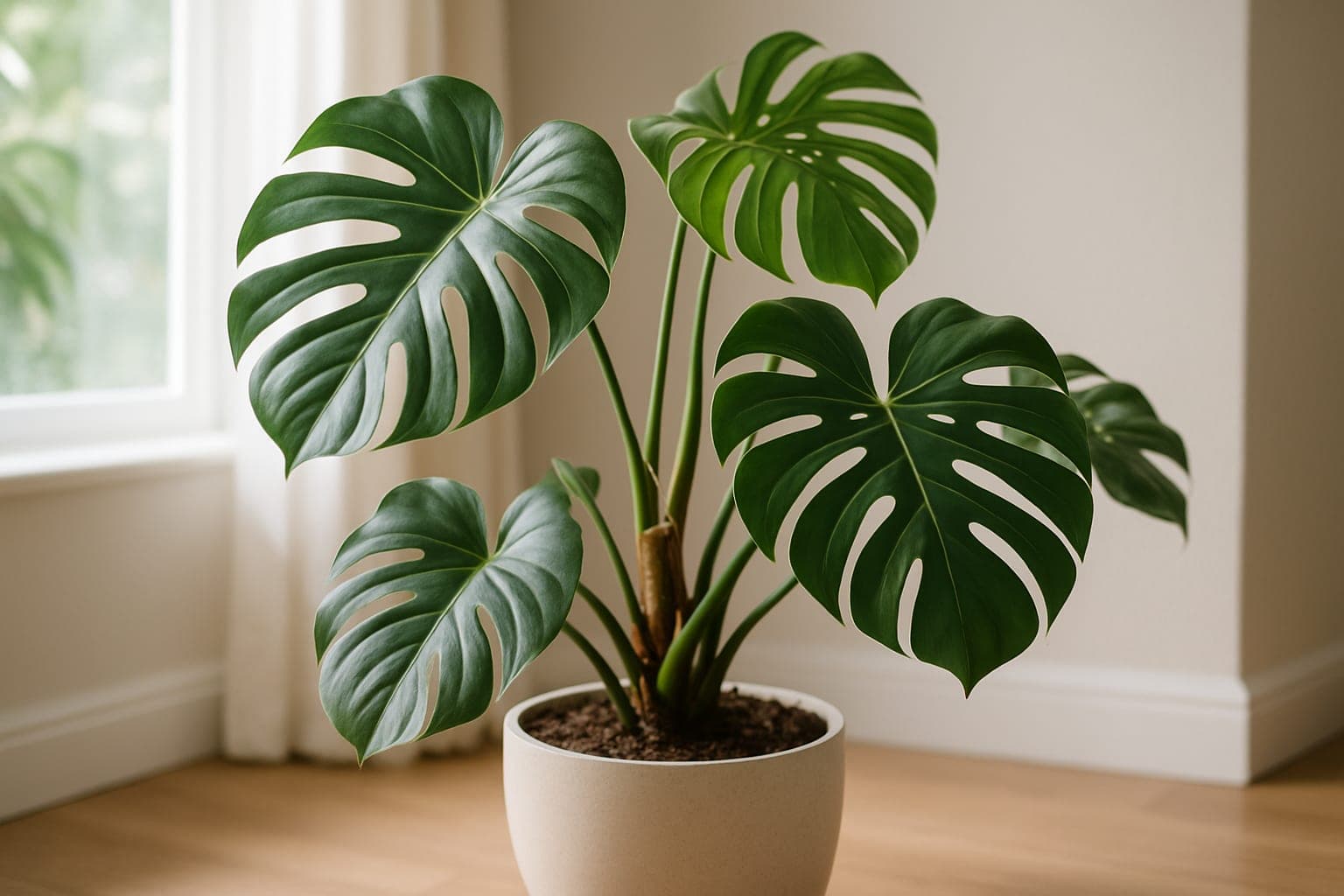
Monstera Deliciosa Care Guide
The Monstera deliciosa, or Swiss cheese plant, is a rewarding tropical climber prized for its dramatic split leaves. This guide covers everything from light and watering to moss poles and the secrets behind those iconic fenestrations.
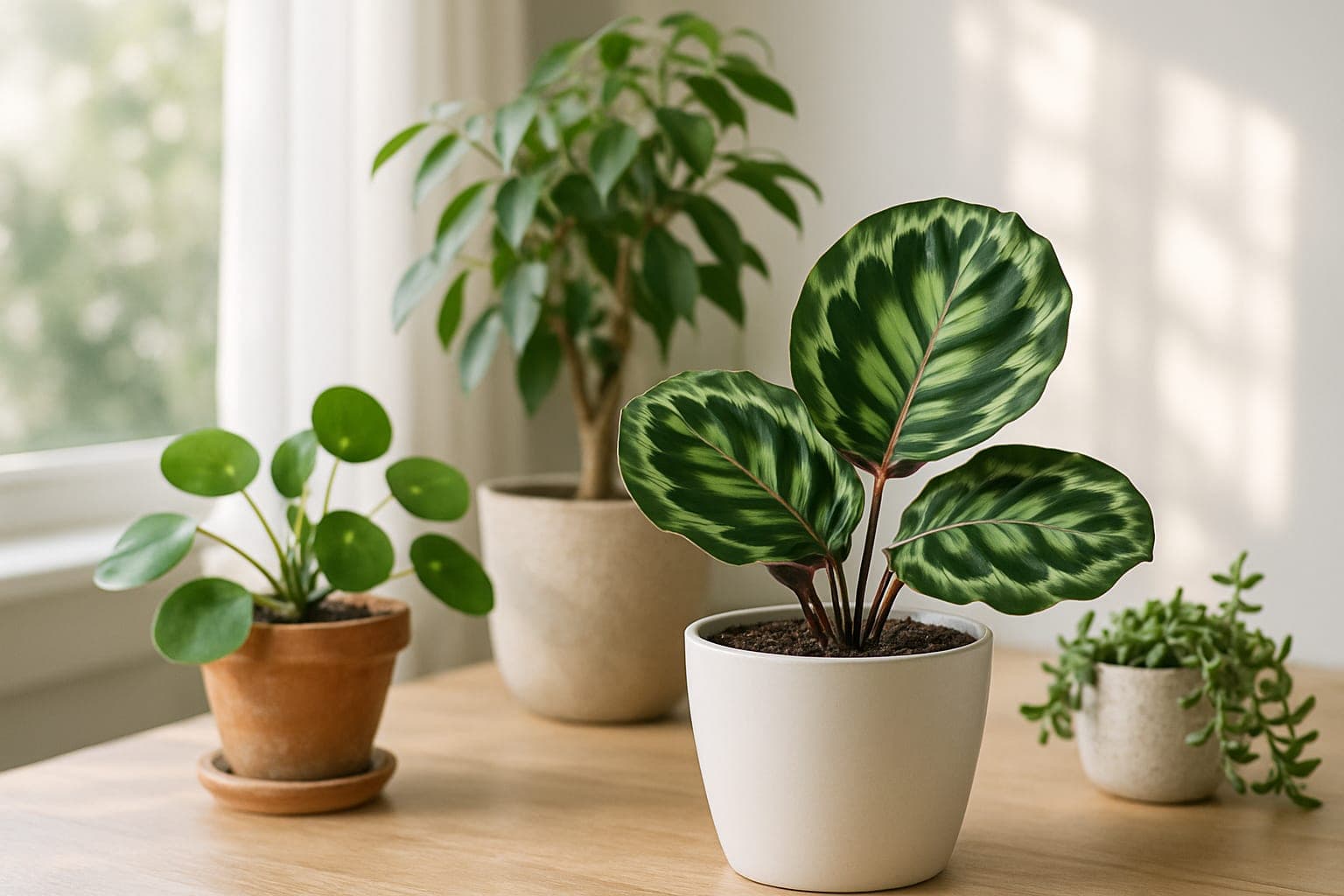
Seasonal Plant Care: Adjusting for the Changing Year
Adapt your plant care routine throughout the year to keep your houseplants healthy and thriving.

Comments(0)
No comments yet — be the first.