Pruning and Shaping Your Houseplants
Learn proper pruning techniques to encourage healthy growth and attractive shape.

Why Prune?
- Remove dead or damaged growth
- Control size and shape
- Encourage bushier growth
- Improve air circulation
When to Prune
Spring and early summer, during active growth. Avoid pruning in winter when plants are dormant.
Basic Techniques
- Always use clean, sharp tools
- Cut just above a node (leaf joint)
- Remove no more than 25% at once
- Make clean cuts at 45-degree angle
Pinching
Remove just the growing tip to encourage branching. Works well for herbs and trailing plants.
Tools and supplies for this
Products we'd actually buy for this job. Linking to Amazon — if you buy through these links we earn a small commission at no extra cost to you.
- Weston Mill Pottery Terracotta plant pots, 175mm (pack of 10)
Mid-size workhorse terracotta — perfect step-up for plants outgrowing their nursery pots.
- Weston Mill Pottery Terracotta plant pots, 20cm (pack of 5)
Heavyweight 20cm clay for established plants — the porous walls help prevent the soggy roots aroids hate.
- Whitefurze G04012 7.5cm Garden Pot - Terracotta (Set of 10)
Cheap, cheerful plastic propagation pots — what we actually use for cuttings and small offsets.
- Whitefurze G04013 10cm Garden Pot - Terracotta (Set of 7)
Reliable mid-size nursery pots with proper drainage holes — the boring essential every plant parent runs out of.
Maria Rodriguez
Master Gardener
Passionate about helping plant parents succeed with expert tips and proven techniques.
Related Articles
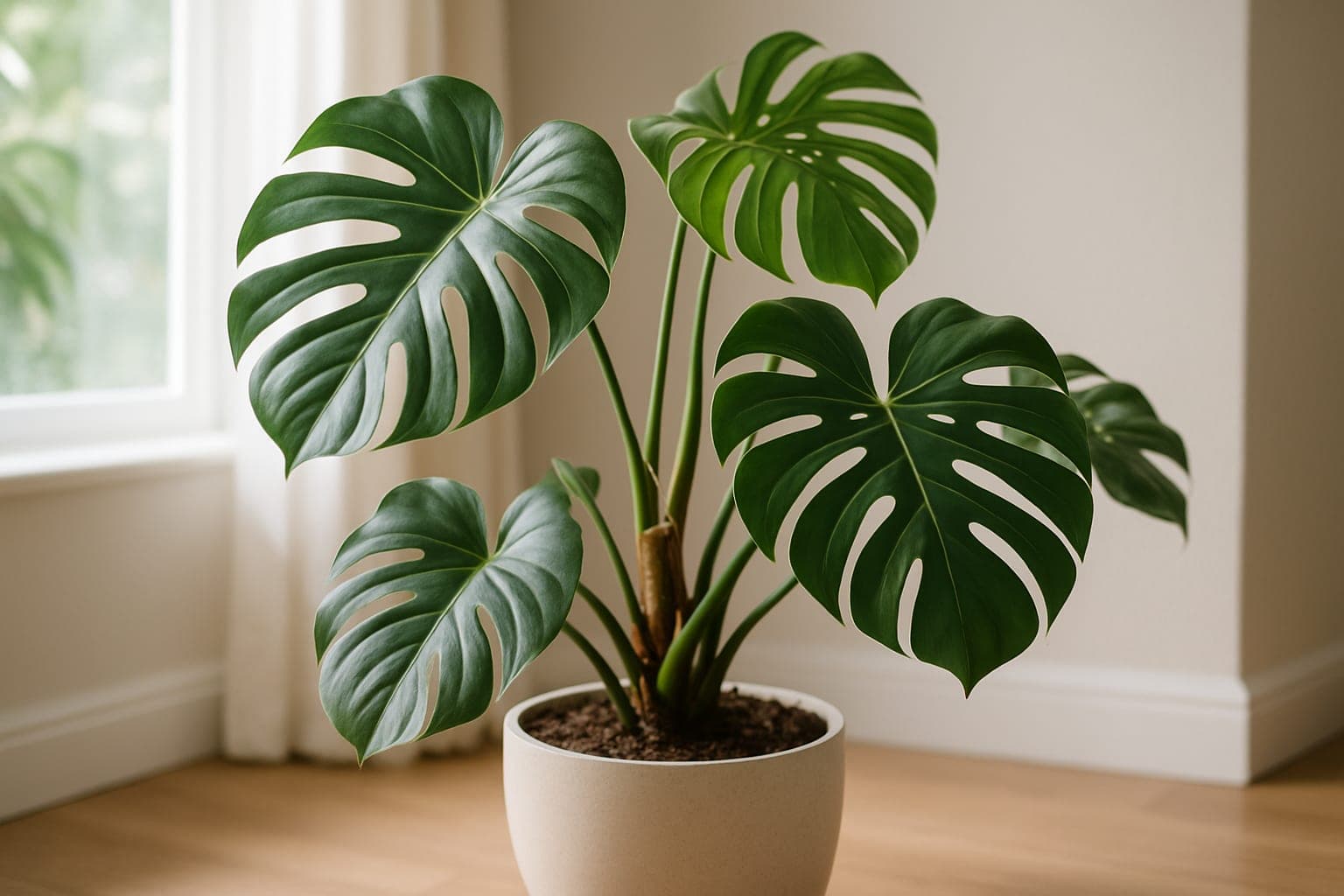
Monstera Deliciosa Care Guide
The Monstera deliciosa, or Swiss cheese plant, is a rewarding tropical climber prized for its dramatic split leaves. This guide covers everything from light and watering to moss poles and the secrets behind those iconic fenestrations.
Seasonal Plant Care: Adjusting for the Changing Year
Adapt your plant care routine throughout the year to keep your houseplants healthy and thriving.

Comments(529)
I've learned the hard way that pruning my orchids in the arid climate here requires a lighter touch than I initially thought—I got a bit too aggressive my first year and ended up with a sparse-looking plant that took forever to bounce back! Now I'm much more cautious about where I cut, and I've noticed the two or three stems I've carefully pruned lately are actually responding really well with fuller growth. Would love to see photos of your examples if you have any, since getting the technique right makes such a difference.
I totally get that—Mediterranean climate here too, and I made the same mistake with my phalaenopsis years ago. The drier air means wounds just don't heal as gracefully, so I've found it's better to remove entire canes at the base rather than cutting them mid-stem, which seemed to reduce stress and new growth was noticeably stronger. Your point about being cautious is spot on; I'd rather wait another season than risk setback like that again.
Pruning really makes the difference with my succulents—I've found that removing leggy growth on something like *Aeonium arboreum* encourages a much denser, more architectural form. The timing matters too; I tend to prune mine in spring when they're actively growing rather than during dormancy. Would love to see a follow-up on whether you recommend different approaches for soft-stemmed versus woody species, since my small collection responds quite differently depending on the plant's structure.
I've learned this the hard way with my basil and mint—I used to be so hesitant to prune, thinking I'd kill them, but once I started being more aggressive about pinching back the tops, they got so much bushier and actually lasted longer before bolting. Do you find that timing matters a lot depending on the season? I'm in a pretty cold climate, so I'm always second-guessing whether it's the wrong time to cut back my herbs.
Timing definitely matters, though I'd say it's less about season and more about active growth—I prune when I see new leaves unfurling, which in a cold climate might be later spring through early fall. The aggressive pinching approach works so well because you're forcing branching rather than waiting for it naturally. For herbs especially, I've found that stopping pruning a few weeks before your first frost helps them harden off instead of putting out tender new growth that'll just freeze. Are you finding your herbs actually making it through winter, or do you replant each season?
I've been meaning to get braver about pruning my herbs—I have this basil that's gotten kind of leggy and I keep telling myself I'll cut it back, but I'm always worried I'll accidentally kill it! Do you have any advice for someone who's still figuring out how much is too much to remove at once? I'd love to share a photo of my overgrown mint situation if I could, because I'm pretty sure that one's beyond saving at this point.
I've been nervous about pruning my plants—I keep worrying I'll mess them up—but this is really helpful. Do you have any tips for knowing when a plant actually needs pruning versus when I'm just being overzealous? I have a pothos that's getting pretty wild and I'd love to make it bushier without accidentally hurting it.
I've found that pruning really transforms how my plants grow, especially my orchids—a good cut above a node makes all the difference for branching. In my drier climate, I'm careful to prune during the growing season when the plants can heal quickly, and it's helped me maintain a nice shape across my collection without stress. What timing do you recommend for pruning, especially for slower-growing species?
That's really helpful to hear about your orchids—I've been nervous about pruning mine since I'm still figuring out the nodes. I have a Monstera deliciosa that's gotten a bit leggy, and I'm wondering if pruning during early spring would count as the growing season for temperate climates like mine, or if I should wait until it's actively pushing new leaves? Your point about healing quickly makes sense, so I want to time it right.
I'd add that timing really matters—I've found pruning my tomatoes (grown indoors during winter) too aggressively in autumn actually stunts them, whereas waiting until active growth resumes in spring gives much better results. The principle holds for ornamentals too, but with edibles it's especially critical since you're balancing shape against yield.
I'd push back slightly on the idea that pruning always "encourages" growth—it really depends on the plant and timing. With my vegetables, I've found that strategic pruning works best when you're actually removing competing growth or diseased bits, not just pruning for the sake of it. The shape thing matters too, but honestly, I've gotten better results focusing on air circulation and removing what's clearly struggling rather than chasing some ideal form.
I've been hesitant to prune my plants aggressively—worried I'd damage them—but I'm realizing I might be holding back too much. Does the timing really matter that much for houseplants indoors, or is it mainly a concern if you're trying to push new growth before a specific season? I've got a leggy *Myrtus communis* that's been bothering me, and I'm wondering if there's a difference between pruning it now versus waiting until spring.
I'd go ahead and prune that *Myrtus communis* now rather than wait—myrtle is quite forgiving, and you'll see results faster indoors where you control the light. The main thing I've learned is that timing matters less for houseplants than it does outdoors; what really counts is pruning above a node and making sure your plant has enough light to push new growth afterward. I was nervous about my leggy tropical species too, but aggressive pruning actually taught me they're tougher than I thought—just avoid cutting during dormancy if your myrtle slows down in winter.
I totally get that hesitation! With *Myrtus communis* specifically, timing does matter—it'll flush better after a hard prune in late winter just before it breaks dormancy, even indoors. That said, myrtle is pretty forgiving, and you can prune it now if you're willing to be patient with slower regrowth over the next month or two. Are you seeing bare stems low down, or is it more rangy overall? That might change whether you go aggressive now or wait.
I've been hesitant about pruning my plants, worried I'd kill them, but I finally tried it on my Ficus lyrata last month and it's already putting out new growth from the cut nodes—so satisfying! My question though: does the timing matter much, or can I prune year-round in a tropical climate? I have eight plants and they seem pretty forgiving, but I want to make sure I'm not doing it during a dormant period or something.
I learned the hard way that timing makes all the difference with pruning—I once got overzealous with my native ficus and took off way too much at once, which set it back for months. Now I prune little and often, especially during the growing season, and my plants reward me with fuller, bushier growth. Your post looks like it covers exactly what I wish I'd known starting out.
Totally hear you on the overzealous pruning—I did the same thing with a rosemary a few years ago and it took forever to bounce back. Little and often is definitely the way, especially with herbs where you can actually use what you're removing. Do you find there's a sweet spot in terms of how much you take off each time, or does it depend on the plant?
I've found that pruning herbs like basil and oregano early and often actually gives you better plants *and* fresh leaves for cooking—it's a win-win! The tricky part I've learned is timing it right; I used to wait too long and end up with woody stems that never bounced back. Do you have a preferred season for major pruning, or do you find it works year-round with houseplants?
I learned the hard way that pruning my succulents too aggressively actually made them sulk for weeks! Now I take a gentler approach—just removing dead leaves and the occasional leggy stem—and they seem much happier. This post's timing is perfect since I'm eyeing a few of my 13 plants that could use some light shaping up.
I've found pruning timing makes such a difference, especially with my cold-hardy natives—I usually wait until late winter to avoid frost damage on fresh growth. That said, I'm curious whether you prefer cutting just above nodes or if you've had success with other methods? I've got five plants in regular rotation and honestly still second-guess myself on some of the more dramatic reshaping.
I'd add that cold climates actually make pruning trickier—I've learned the hard way that cutting back orchids in winter when growth is already slow just invites problems. I do most of my pruning on my five plants in late spring when the days get reliably longer. Worth mentioning that aggressive shaping when conditions aren't ideal wastes energy the plant could use elsewhere.
I've learned the hard way that pruning at the right node makes all the difference—I once massacred a Ficus benjamina by cutting randomly, but now I always prune just above the leaf node and it's transformed into something actually bushier. The timing matters too; I've had much better luck doing my heavy pruning in early spring when my cold-climate plants are waking up rather than in fall.
I've found that pruning really does make all the difference, especially with my orchids—a good cut above a node can trigger branching that you wouldn't get otherwise. In my arid climate I'm always careful not to stress them too much though, so I tend to prune conservatively and let them recover between sessions. What's your take on timing? Do you find certain seasons work better than others, or does it depend more on the individual plant's growth cycle?
I've found pruning timing matters way more than technique for me—I always wait until I see new growth starting, especially with herbs like basil and oregano, since cutting them dormant just wastes energy. The shape usually follows if you're removing the right nodes. Are you finding success with pruning year-round, or do you recommend holding off during certain months?
I'd push back a bit here—I've actually had better results pruning *before* new growth kicks in, especially with basil and oregano. Cutting them when they're actively putting out energy can trigger bushier growth faster than waiting, in my experience. That said, timing definitely matters more than most people think, and dormant pruning does feel wasteful. I prune most of my herbs through spring and summer when they're actively growing, then back off come autumn.
I've definitely learned the hard way that pruning doesn't have to be scary! My one succulent got a bit leggy over winter (cold climates aren't ideal for them, apparently), so I finally worked up the courage to trim it back—and I was shocked how much bushier it came back. I wish I'd done it sooner instead of just rotating it and hoping for the best. Great reminder that a little strategic cutting is actually the kindest thing you can do for your plants!
That leggy succulent story resonates with me—I've been there with *Aloe* and *Echeveria* in my cold zone! The thing I learned is that even a modest trim (like removing just the top third) signals the plant to branch lower, and you end up with way more compact growth. Sounds like yours figured it out beautifully, and you've earned the confidence to prune without fear next time.
I've been holding off on pruning my basil and mint because I'm worried I'll kill them, but this sounds like it might actually help them grow bushier. Do you have any tips specific to herbs, or is the approach pretty much the same as for other houseplants?
I'd push back slightly on the idea that pruning automatically encourages bushier growth—it really depends on where you cut and what species you're working with. With my Monstera deliciosa, cutting above a node gave me branching, but indiscriminate heading back just triggered single-stem extension. The real win is understanding whether your plant's growth pattern is determinate or continuous, then pruning accordingly. Timing matters too; I've had way better results pruning my tropicals in spring when they're ramping up metabolically.
I'd add that timing matters just as much as technique—pruning during active growth (spring/summer for most houseplants) yields much better results than dormancy. I've found that leggy species like *Epipremnum pinnatum* respond far better to strategic cuts when they're actually pushing new growth, rather than the aggressive winter pruning some guides suggest. Shape follows naturally once you get the growth cycle right.
I've found that timing makes all the difference with pruning—late winter works best for my collection, right before the main growth flush. The trick I've learned is removing no more than a third of the plant at once, especially with woody specimens like *Crassula ovata*; too aggressive and they struggle to recover. Do you find your houseplants respond better to pruning at a particular time of year?
I've learned the hard way that pruning really does make all the difference. My Monstera got leggy and sparse until I finally committed to cutting it back, and now it's bushier than ever. The trickiest part for me was getting over the fear of removing too much, but once I saw the new growth come in, I was sold. Thanks for the reminder to do this regularly rather than waiting until plants get out of hand like mine did.
This is so timely—I've been wrestling with my *Solanum lycopersicum* indoors and wasn't sure how aggressive I should be with pruning. Do you have any thoughts on whether cutting back tomatoes in a temperate indoor setup risks triggering flowering too early, or have you found that's not really an issue? I've got about eleven plants going right now and the tomato's definitely the finickiest about maintaining a good shape without getting leggy.
I'd ease off the aggressive pruning on *Solanum lycopersicum*—tomatoes tend to flower based on photoperiod and temperature rather than pruning stress, so you're probably safe there, but heavy cutting can delay fruiting more than help shape. With my mediterranean climate I find a lighter touch works better: remove only the truly leggy growth and lower leaves for airflow, then let the plant's natural branching do the work. That said, indoor tomatoes are genuinely fussy about light, so if it's getting leggy despite pruning, the lighting might be the real culprit worth investigating first.
I've been experimenting with pruning my smaller collection, though I'm still figuring out the timing—does it really matter whether I prune in spring versus later in the season, or does that depend more on the individual plant's growth cycle? I've read contradicting things about cutting above nodes versus just removing dead material, and I'd love to hear if the post goes into that distinction, since it seems to make a difference with my Mediterranean natives at least.
The timing thing totally depends on the plant—I learned this the hard way when I pruned a jade in late fall and it just sulked for months. Spring's generally safest for most things, but yeah, Mediterranean natives like mine seem way more forgiving if you catch them during their active growth window. And the node thing is real; cutting just above a node definitely encourages bushier growth instead of that sad leggy look, though honestly, removing dead stuff won't hurt no matter what!
I'd gently push back on the idea that pruning always encourages bushier growth—it really depends on the species and where you cut. With something like *Sansevieria trifasciata*, aggressive pruning can actually weaken the plant since it relies on leaf reserves in an arid climate. I've found that strategic pinching works better than heavy cutting for most of my collection, especially succulents that evolved to minimize water loss through leaves.
I've been wanting to get more strategic with my basil (*Ocimum basilicum*) pruning—right now I'm pretty haphazard about it! Does your method work well for herbs specifically, or is the approach pretty much the same across different plant types? I've got a photo of mine that's gotten a bit leggy, and I'm curious if there's anything different about timing for culinary herbs versus ornamentals.
I've found that pruning above a node makes a real difference with my tropical plants—I used to just hack away randomly and wonder why my Monstera looked leggy. Now I'm deliberate about cutting just above where the leaves emerge, and I get branching instead of bare stems. The hardest part was resisting the urge to prune too much at once; removing more than a third at a time really stressed some of my plants, so I learned to be patient and spread it across a few weeks.
I've definitely overthought pruning before—I was too nervous to cut back my basil and oregano last year, and they got all leggy and sparse! This spring I finally bit the bullet and trimmed them more aggressively, and they came back so much fuller. I'm still figuring out the right timing though; do you have any tips for knowing *when* to prune herbs specifically, or is it mostly just "whenever they look overgrown"?
I've found that pruning my orchids has made such a difference in their vigor—especially when I remove spent flower spikes just above a dormant node on the Phalaenopsis. The arid climate where I live means I'm extra careful about open wounds, so I always use sterile shears and let them dry quickly. Have you noticed whether the timing of pruning changes depending on what climate you're growing in?
You're so right about the arid climate factor—I've learned that lesson through some crispy orchid casualties! I keep my 14 plants in a pretty dry environment too, and I've definitely noticed that my Phalaenopsis recovers faster from pruning if I do it right before my more humid season (such as it is). Sterile shears are non-negotiable for me now after watching a pruned spike get compromised, and I swear letting those cuts air dry quickly really does make a difference in preventing infection in low-humidity conditions.
I've definitely learned the hard way that pruning isn't as scary as it sounds—I was terrified to touch my jade plant for the first year, convinced I'd kill it, but once I took the plunge it actually became one of my fullest, bushiest plants. Now I prune my succulents more confidently, though I still occasionally remove a branch and immediately regret it! Thanks for laying out the proper techniques; I wish I'd had this guide when I started.
I totally get the fear—I've had my monstera for about eight months and just started pruning it last month, which felt like a huge deal! Your jade plant story is really encouraging because mine's getting a bit leggy and I've been putting it off. Quick question: when you prune your succulents, do you wait for new growth to appear before pruning again, or do you just go for it whenever they look too tall?
I've killed more plants by *not* pruning them than I care to admit—turns out my orchids were just getting leggy while I nervously watched from the sidelines! This is exactly what I needed because I have eleven tropical plants now and some of them are starting to look a bit wild. Do you have tips for pruning orchids specifically? I'm always terrified I'll remove something important, but I'm gathering the courage to actually try it.
I've found that the timing makes all the difference—I used to prune my Monstera deliciosa and Philodendron whenever I felt like it, but once I started doing it in spring when they're actively pushing new growth, I got bushier, fuller plants instead of leggy ones. A small pair of clean bypass pruners has honestly been worth more than any fertilizer in my collection.
I'd add that pruning timing matters just as much as technique—especially with edibles like *Solanum lycopersicum* indoors, where removing suckers during active growth (not dormancy) actually redirects energy to fruit rather than vegetative sprawl. I've found most general pruning guides focus on ornamentals, but vegetables respond differently to the same cuts.
You're so right about timing—I learned that lesson the hard way with my succulents, which honestly don't need much pruning but *definitely* don't appreciate it during their dormant winter months. I was overeager with a leggy echeveria once and basically shocked it into sulking for weeks. Your point about edibles responding differently is really helpful though; I've mostly stuck to ornamentals in my little collection, so it's a good reminder that one approach doesn't fit everything.
I've found that with my herbs especially, the hardest part isn't knowing *how* to prune—it's actually doing it early and often enough! I used to wait until my basil got leggy and overgrown, then hack it back and wonder why it sulked for weeks. Now I pinch tips regularly from the start, and the plants stay bushier and happier. It's one of those things that seems obvious once you commit to it, but required me to get over my fear of "damaging" a perfectly good plant.
I completely relate to this—I spent way too long being timid with my orchids before realizing they actually *want* that intervention. The psychological hurdle of those first cuts is real, even after years of keeping plants! Your point about early and frequent pruning is spot-on; I've noticed the same with my collection, where regular pinching beats the occasional panic-prune every time. Do you find there's a particular growth stage where you feel most comfortable starting the pinching, or is it more about just committing to it regardless?
I've learned the hard way that pruning my tropical plants in winter here is basically a no-go—they're already stressed from the cold and low light. Since I started waiting until spring when they're actively growing again, I've had way better results with bushier, fuller plants. Do you recommend pruning right before dormancy ends, or do you wait until you see new growth starting?
I'm totally with you on the timing—that's been my experience too in my mediterranean climate, where even "winter-hardy" houseplants slow way down. I've found that sweet spot is usually just as you see the first real flush of new leaves (not just tiny buds), rather than waiting for growth to be fully underway. With something like *Ficus lyrata* or *Alocasia*, I've noticed they're more responsive to the pruning cut itself if there's already some metabolic momentum. Do your plants tend to push back harder if you cut them closer to the equinox, or is it more about the light levels where you are?
I've learned the hard way that timing really matters with pruning—I killed my basil collection one winter by cutting too aggressively when it was already stressed from low light. Now I wait until spring when my herbs are actively growing again, and they bounce back so much faster. Do you have recommendations for pruning perennial herbs like oregano and thyme, or does the timing stay pretty similar?
I've definitely learned this the hard way—my first attempt at shaping an orchid involved way too much enthusiasm and not enough restraint! These days I'm much more conservative, especially with Phalaenopsis, since they reward patience more than aggressive pruning. The tip that changed everything for me was waiting until after flowering to remove spent stems just above a node; it seems obvious now, but it made such a difference in encouraging branching without stressing the plant.
I'd add that pruning timing matters as much as technique—especially for fruiting vegetables like *Capsicum annuum*. I prune mine in early spring before active growth, which encourages branching without sacrificing the season's harvest. The shapelier plants do look better, but I've found they're also more productive when you're strategic about which nodes you're cutting above.
I'd push back slightly on the idea that pruning always encourages growth—it really depends on the species and season. With my *Monstera deliciosa*, aggressive pruning in winter just stalled it, but the same cuts in late spring triggered proper branching. The timing matters more than the technique itself, especially in a Mediterranean climate where dormancy patterns shift.
You're spot on about timing—I've made the same mistake with my Ficus. Winter pruning here just sits there doing nothing, but once the days lengthen and temps creep up in spring, the same cuts suddenly push new growth. I think a lot of guides gloss over this because dormancy gets messy to explain, but it's really the difference between a plant that responds and one that wastes energy healing. Did you find late spring works consistently for you, or do you adjust based on how the plant's looking?
I've learned the hard way that timing is everything with pruning—I killed a beautiful monstera by getting too aggressive in winter when it was barely growing! Now I only do major cuts in spring or early summer when my plants are actively pushing new growth. One thing that's saved my collection is pinching back new stems early and often; it encourages bushier growth way better than waiting to prune mature branches. Do you have a preferred tool you'd recommend, or does it vary by plant type?
I've found that pruning my herbs way more aggressively than I initially dared has been a game-changer—my basil and oregano actually got bushier and produced better rather than looking sparse. I think a lot of people worry about cutting too much, but my Mediterranean climate means I can be pretty bold about it. Do you cover timing in the full post? I've noticed the season matters way more than people realize.
I've been nervous about pruning my plants—always worried I'd kill them—but this is exactly what I needed! I recently tried cutting back my overgrown pothos and was surprised how quickly it bounced back with new growth. Does anyone have tips for pruning something more delicate, like a ficus? I'm worried about making it look lopsided.
I've been nervous about pruning mine, worried I'd kill them, but I finally tried it on my pothos last month and it actually branched out way more than before—so that part definitely works. My question is how aggressive can I get with older, leggy plants? I have a struggling philodendron that's basically all stem at this point, and I'm wondering if a hard cut would help it bounce back or if I'd just end up with a dead stick. If you covered that in the post I might've missed it, but would love to know what actually worked for you.
Great topic. I learned the hard way that pruning actually works better when you're patient about timing—I used to hack away at my plants whenever they got leggy, but I found waiting until new growth starts in spring makes such a difference in how they bounce back. Removing those dead or crossing stems really does open things up for better air circulation too.
Absolutely right about timing—I've found the same with my succulents, especially Aeonium arboreum. Spring pruning really does minimize stress compared to cutting back during dormancy. Good point on air circulation too; I notice that crossing stems can trap moisture, which is especially problematic for rosette-forming species prone to rot. With only a few plants in my collection, I'm selective about each cut, but it's made all the difference.
I've found that waiting until spring to do major pruning really pays off with my herbs—they bounce back so much faster when they've got the growing season ahead of them. That said, I've definitely butchered a few rosemaries by getting too aggressive in winter, so I try to save anything substantial for warmer months. Even a small trim here and there keeps them bushier than leaving them alone!
That's really helpful to know—I've been nervous about when to prune mine, so hearing that spring timing works better makes sense. I have a few native plants in my cold climate that I'm still figuring out, and I'm wondering if the same spring rule applies to them, or if they prefer different timing since they're adapted to local seasons?
I've found pruning to be such a game-changer for my tropical plants, especially since I'm in a cold climate where they're indoors year-round—they tend to get leggy fast without enough light. My monstera went from looking like a sad stick to actually bushier after I started cutting above the leaf nodes. Do you have any tips for pruning plants in winter, or is that generally something to avoid? I've been hesitant to cut back my alocasia in the colder months.
I've learned this the hard way with my orchids—I used to be terrified of pruning anything, convinced I'd kill it! Turns out a little strategic cutting does wonders, especially when I removed some of those leggy stems on my Phalaenopsis. Now I'm more confident about shaping the rest of my collection, though I still approach my 15 plants with cautious optimism rather than anything resembling expertise.
I've been hesitant about pruning mine because I worry about killing them, but this sounds like it could really help with the leggy growth I'm seeing on a couple plants. I have a photo of my fiddle leaf fig that's gotten way too tall and sparse—do you find pruning works better in spring, or can you do it anytime during the growing season here in the Mediterranean climate?
I've learned that timing really matters with tropical plants—I got impatient pruning my *Monstera deliciosa* in winter and it basically stalled for months. Now I wait until spring when growth naturally picks up, and the plant heals so much faster. Even removing just a few leaves strategically can redirect energy toward the shape you actually want instead of fighting the plant's natural habit.
Totally agree on timing—though I'd push back slightly on waiting until spring for everything. With orchids especially, I've found that pruning spent flower spikes in late winter actually triggers earlier blooms, even in my tropical climate where growth never really stops. The key isn't the season so much as reading what your specific plant is doing. Your point about strategic leaf removal to redirect growth is spot on though; that's where the real art is.
I've definitely learned the hard way that pruning is less "hack away at the messy bits" and more "strategic snipping for the plant's actual benefit"—took me two seasons to stop treating my Monstera like it had done something to offend me! Now I try to prune just above a node and remove the dead stuff first, which makes everything feel less chaotic. Do you have a favorite pruning tool, or does it really not matter as much as people say?
I get that—I spent way too long with my orchids before realizing less is genuinely more, especially in cold climates where they're already stressed. For me, sharp bypass pruners matter because clean cuts prevent the rot and disease that thrive in cool conditions, but honestly the technique matters way more than the tool itself. Node-cutting is solid for most plants, but orchids are the exception—I just remove dead roots and spent flower spikes at the base, no nodes involved, and that's kept my five plants healthier than anything else I've tried.
I've found pruning to be transformative for my orchids, especially when I'm working with species like Phalaenopsis that can get leggy indoors. The key difference I've noticed in my own collection is that strategic cuts above nodes really do encourage bushier growth rather than just removing what looks overgrown. Since I'm in an arid climate, I'm curious whether you recommend adjusting pruning timing based on humidity levels, or if the plant's growth cycle matters more than environmental conditions?
I've learned the hard way that pruning timing matters way more than I thought—I once got too aggressive with my tomato plant in early spring and it took forever to recover. Now I'm way more intentional about it, especially with my vegetable plants since they're so productive when you get it right. Do you have any tips for pruning indeterminate varieties without sacrificing too much of the season's yield? I'm always trying to find that balance between shape and actual harvest!
I've found that in my arid climate, pruning actually helps way more than I expected—less foliage means the plant puts energy into stronger growth instead of struggling to hydrate a bunch of leaves. My biggest lesson was resisting the urge to do it all at once; I take maybe a third of the growth at a time and let the plant recover for a few weeks. Makes a real difference in how full they come back.
I've been nervous about pruning my orchid—worried I'd accidentally remove something important—but I'm realizing I might be leaving it too wild. Do you have tips for pruning orchids specifically? Most of my collection is pretty forgiving, but orchids feel like they have their own rulebook, especially since I'm in a cold climate and they already seem reluctant to cooperate with me!
I've found pruning to be one of those skills that really changes how you relate to your plants—once you get comfortable with it, you start seeing so much more potential in them. With my tropical collection in a dry climate, I've learned that careful pruning actually helps a lot since it directs energy to fewer leaves that are easier to keep hydrated. What's your take on the timing—do you find certain seasons work better than others, or does it depend more on the individual plant?
I've been nervous about pruning my plants—I have this fiddle leaf fig (Ficus lyrata) that's gotten a bit leggy, and I wasn't sure if cutting it back would hurt it. This post is really helpful! Do you have any tips on the best time of year to prune in a temperate climate, or does it matter as much as just making clean cuts?
I find pruning makes the biggest difference with my succulents when I do it early in the growing season—I've had much better results removing leggy growth on *Aeonium* arboreum before spring really kicks in rather than waiting till summer. The trick I've learned is being ruthless enough; those weak stems won't magically strengthen, they just keep stretching. Do you have recommendations for different timing depending on whether someone's growing in a Mediterranean climate versus indoors under lights?
I've found pruning to be such a game-changer for my tropical plants—I actually have a monstera right now that's gotten beautifully full and bushy after I started being more intentional about it instead of just haphazardly snipping. My only pushback is that I think the timing really varies depending on where you're growing; I'm in a temperate zone, so I'm way more conservative with pruning in winter than the post might suggest. Do you have thoughts on pruning during low-light months, or do you find it doesn't really matter as much?
I've definitely killed more basil than I've harvested by being too timid with the pruning shears—turns out you really do have to be bold about it! This is helpful timing since I'm trying to shape up my oregano and thyme before they get completely leggy. Do you have tips for pruning herbs specifically, or does the general approach work the same way?
I've killed more orchids than I'd like to admit by over-pruning them—turns out the arid climate here means they're already stressed without me taking scissors to healthy roots and stems. Your post came at exactly the right time because I finally figured out that less is more with mine, especially during dry months. I have a photo of the one I didn't massacre (out of my 14 plants, so statistically that's winning), and it's actually putting out new growth now that I've backed off. Thanks for the reminder that there's a difference between thoughtful pruning and plant anxiety!
I've found that pinching back young growth on herbs like *Ocimum basilicum* and *Mentha* species early and often gives much better branching than waiting for larger pruning sessions. The plants respond faster and stay bushier without getting leggy, which seems to be what most people struggle with in lower light conditions. Worth doing it preventatively rather than reactively if you want that compact shape.
I'm always excited to see posts about pruning because it's where so many houseplant parents get nervous for no reason. I've found that understanding the growth pattern of each plant—especially something like Phalaenopsis, which I've got three varieties of in my collection—really changes how confident you feel making those cuts. Do you have a particular plant type you find most rewarding to shape, or one that tends to give people the most trouble?
I've been meaning to get better at this—I have nine plants now and honestly I've been too nervous to prune them properly. My *Monstera deliciosa* is getting leggy and I know it needs help, but I'm worried I'll mess it up. Do you have any tips for knowing how much to cut back without stressing the plant out? I'd love to see if there's a difference on mine since mine looks a bit unruly compared to what you describe.
I've found pruning to be such a game-changer for my collection—especially with my orchids, which honestly looked like sad twigs before I figured out where to actually cut. The hardest part was learning to resist the urge to overdo it; I once removed way too much foliage from one of my phals thinking I was helping, and it took months to recover. Now I'm much more conservative, and they're all happier for it.
I've learned the hard way that pruning Thai basil requires a lighter touch than I initially thought—I went a bit too aggressive my first year and nearly killed it. Now I take your advice to heart and remove just a third of the growth at a time, which has actually made my plant bushier and more productive. It's such a simple shift in thinking, but it's made all the difference in keeping my five herbs thriving without that panicked "did I just ruin it?" moment.
I'd add that timing matters hugely with pruning—I've found that cutting back *before* the growing season (spring for most houseplants) gets you much better branching than pruning in autumn or winter when growth has naturally slowed. With my small collection, I've noticed *Solanum lycopersicum* indoors especially benefits from this, since the new growth fills in so much more vigorously when you're working with the plant's natural energy rather than against it.
I've been obsessed with this lately since my Monstera deliciosa got a bit leggy over winter. I always hesitate with the pruning shears at first, but cutting above a node really does make such a difference—mine already has two new shoots coming in where I trimmed. Do you have tips for plants that are resistant to branching, or do you find most tropicals respond well once you get them past that initial awkwardness?
I'd agree pruning matters, though I see a lot of people overthinking it. My chili peppers get pruned hard in early spring—removing anything crossing or leggy—and they produce way better than when I left them alone. The key is being consistent rather than fussing constantly. I've got a photo of mine from last season showing the difference side by side that I'd upload if I could, but the takeaway is just: cut decisively when you see the need, don't be timid about it.
That's really helpful—I've been nervous about cutting too much on my plants, so hearing that decisive pruning actually works is encouraging! I tried this on a Ficus benjamina that was getting scraggly, and you're right that it pushed out new growth way faster than I expected. Do you find there's a difference in timing between woody plants like your peppers and softer-stemmed ones? I'm still figuring out the right season for each of my eight plants.
I've learned the hard way that timing makes all the difference—I used to prune my pothos and philodendrons whenever they looked leggy, but waiting until spring actually gives them energy to bush out instead of just creating bare stems. One thing I wish I'd known earlier is that pinching out the top growth early and often beats aggressive pruning later, so I'm trying that approach with the new growth on my snake plant now.
I've learned the hard way that timing matters as much as technique—pruning my basil (*Ocimum basilicum*) too late in the season left it struggling through winter. Now I pinch early and often, which keeps the plant bushier and delays flowering. Since I'm in a cold climate with limited natural light, I'm curious whether you'd recommend adjusting pruning schedules for houseplants that don't have the energy benefits of outdoor seasons?
I've been wanting to prune my jade succulent for months but kept worrying I'd mess it up. This is really helpful—I didn't realize you could actually encourage bushier growth by cutting it back. Do you have tips for knowing when a plant is big enough to handle pruning, or is there a certain age I should wait for?
I'd gently push back on treating all houseplants the same way here—the pruning approach really depends on growth habit. With my tomatoes (indeterminate varieties especially), I've found that aggressive pruning actually reduces productivity compared to selective defoliation, whereas something like *Solanum lycopersicum* determinate types benefit from harder cutting. The key is understanding whether you're growing for shape or function, since those goals can pull in opposite directions.
You're spot on about the growth habit thing—I've learned that lesson with my basil and oregano! The aggressive pruning works great for keeping them bushy, but if I go too hard too early in the season, I sacrifice the actual harvest. I've had better luck doing lighter, frequent pinches on the oregano especially. Do you find the indeterminate tomatoes bounce back okay after selective defoliation, or is that more of a mid-season thing for airflow?
I've been trying to prune my Laurus nobilis more aggressively this spring, but I'm second-guessing myself—does heavier pruning actually trigger bushier growth, or is that more of a myth? I've read conflicting things about whether it's the cutting itself or the season that matters most for reshaping.
I'd push back on the idea that pruning always encourages growth—it really depends on the species and timing. With my *Anthurium clarinervium*, aggressive pruning just stresses it without the flush of new leaves you'd get from, say, a *Ficus*. Better to match your technique to the plant's growth habit: I've had much better results being selective about what comes off rather than assuming all houseplants respond the same way to the knife.
You're absolutely right—I learned this the hard way with my orchids in my arid climate! I got trigger-happy with one of my phalaenopsis a couple years back, thinking more pruning meant more blooms, and it just sulked for months. Now I'm much more conservative, mostly just removing dead spikes and the occasional unhealthy root, and they're so much happier for it. The patience thing is tough when you're eager to shape things up, but you nailed it—knowing what each plant actually wants makes all the difference.
I've learned the hard way that pruning orchids (at least the ones I haven't accidentally beheaded) requires a completely different mindset than shaping other houseplants—you really have to think about where the nodes are and resist the urge to cut back too aggressively. My three plants have taught me that sometimes the most attractive shape comes from strategic restraint rather than aggressive trimming, especially with Phalaenopsis, which honestly reward patience more than the pruning shears.
I've got a monstera that's getting leggy and I'm nervous about cutting it back—does pruning actually make it bushier, or am I just going to end up with a sad plant? I have about six plants total and most of them could use some shaping but I'm hesitant to start chopping. Would love to see more detail on *when* to prune since I'm in a mediterranean climate where things grow differently than in winter.
I've learned the hard way that timing matters way more than technique—I killed a young *Ocimum basilicum* by pruning too aggressively in winter when it couldn't recover. Now I'm religious about pruning my herbs (basil, oregano, thyme) right before their active growth season in spring. Do you find that the best time to prune varies much between woody herbs and softer herbaceous ones?
I've learned the hard way that pruning can be scary at first, but it's honestly transformed how my native plants grow. I was terrified to cut back my Monstera a couple years ago, and when I finally did it, the plant came back bushier and happier than ever. This is such a helpful topic because so many people assume pruning means they'll kill their plants, when really it's one of the best gifts you can give them.
I'd add that the timing matters hugely in dry climates—I've found pruning succulents and xerophytes like *Euphorbia* species right before their growing season (usually late winter here) minimizes stress, whereas cutting back dormant plants can invite rot if you're not careful with watering afterward. The general advice to prune for shape is sound, but the "encourage growth" part really depends on whether you're working with a high-vigor tropical or something adapted to arid conditions that naturally grows slower.
I'd push back slightly on the idea that pruning always encourages bushier growth—it really depends on the plant and where you cut. With my tomatoes and peppers, aggressive pruning early on does work, but I've found it's easy to overdo it and actually delay fruiting. The real game-changer for me has been timing the cuts right and being honest about how much the plant can actually handle.
I've found that pruning herbs especially hard early in the season pays off—my basil and oregano get bushier and produce way more usable leaves. The tricky part I don't see discussed much is knowing when *not* to prune, like I learned the hard way waiting too long into fall with my mint before the cold snap hit. What's your take on timing pruning around dormancy, or do you mostly focus on the aesthetic side?
You're spot on about timing—I've definitely killed off some tender growth by pruning too late in the season! With my orchids especially, I learned that hard way: they need that energy stored up before dormancy hits, so I front-load my pruning in early spring and try to resist the urge to touch them come fall. For herbs like your basil, I think the bushiness you're getting is exactly the payoff, though I admittedly stick to foliage plants mostly and let my 15-plant collection teach me lessons the slow way!
I've found pruning to be transformative for my collection, especially with my orchids—a well-timed cut on a spent spike can trigger multiple new growths. The arid climate where I grow makes me extra careful about sealing cuts though, since moisture loss happens so quickly. Do you have specific thoughts on timing pruning for different seasons, or does it depend more on what you're seeing in the plant's growth pattern?
I've been hesitant to prune my orchid since I got it three months ago—worried I'd kill it. Does pruning actually help orchids branch out more, or is it mainly just for keeping them looking neat? I have a photo of mine I'd share if I could, but the growth pattern seems pretty sparse so I'm wondering if a trim might help it fill in better.
I totally get that hesitation—I killed my first basil by over-pruning it! With orchids, light pruning above a node can actually encourage branching, though honestly they're slower to respond than herbs. Since yours is sparse after three months, it might be more about light or humidity than needing a cut yet. Have you noticed new growth at all, or is it just staying pretty stagnant?
I've found that timing makes all the difference with pruning—I always wait until my herbs like *Ocimum basilicum* and oregano are actively growing in spring rather than cutting back in winter when they're dormant. One thing that's helped my collection stay fuller is pinching out the top growth regularly instead of waiting for a major prune, which encourages branching rather than that leggy growth you get if you neglect them until they're out of control.
I've found that pinching back my basil and mint regularly actually makes them bushier and more productive than just letting them grow tall—it's been a game-changer for my herb collection. Are you covering specific techniques like pinching versus cutting, or more about the timing? I'd love to know if you touch on when to prune different types, since I'm always second-guessing myself with slower growers.
I've killed more basil than I'd like to admit by being too timid with the pruning shears, so I really appreciate posts like this—turns out those herbs actually *want* you to be a bit aggressive with them! I've found that pinching off the top growth regularly keeps my Mediterranean herbs bushier and prevents the leggy mess I used to end up with. It's made such a difference with my oregano and thyme especially.
I've learned the hard way that timing is everything with pruning, especially for my tropical plants in this cold climate! I used to hack away whenever something looked leggy, but I was basically stressing them out during their slow winter months. Now I wait until spring when they're actually ready to push new growth, and the difference is huge. Do you have tips for pruning plants that are already pretty compact, or is the main goal always to encourage bushier growth?
I've found pruning to be such a game-changer, especially with my two orchids. The species I focus on respond beautifully to selective cutting just above the nodes—it's really opened up a whole new side of shaping I didn't expect. What's your take on pruning timing in arid climates like mine; do you adjust the schedule based on humidity levels?
I'd definitely adjust timing for arid climates—I prune my herbs more conservatively in dry conditions because the stress of cutting plus low humidity can set them back. With orchids specifically, I'd be careful about timing fresh cuts when humidity's already low; the nodes are exposed and more vulnerable. Do you seal your cuts or just let them air dry?
Shay, I'd actually push back a little here—timing matters way less than people think, especially in cold climates like mine where growth just slows down naturally. I've got five plants total, orchids included, and I've had better results pruning whenever I see dead wood or crossing stems rather than waiting for some "ideal" season. That said, if you're in an arid climate, I'd focus more on doing it right after watering so the cut isn't stressed, rather than shifting the whole schedule. Low humidity is tough on fresh cuts, but it won't tank your orchids if you're selective and clean about it.
I've found pruning to be such a game-changer, especially with my basil and mint—they get bushier and produce way more leaves if you're consistent about pinching off the tops. My one tip is don't wait until they're overgrown to start, since it's easier on the plant to do smaller prunings regularly. Do you have any recommendations for herbs specifically, or does the general approach work the same way across different types?
I've learned the hard way that pruning my one succulent was way scarier than it needed to be—I was so worried about killing it that I let it get leggy for months before finally taking the plunge! Turns out a clean cut and some patience really does encourage bushier growth, and now I'm actually looking forward to shaping it up next season (though I'll definitely be more confident this time around). This kind of practical guidance would've saved me from overthinking it so much!
I've got a question about timing—I just started pruning my monstera and pothos a few months ago, and they're finally looking bushier, but I'm worried I'm doing it too aggressively. How do you know when you've cut enough without stressing the plant? My Mediterranean spot gets good light, so I'm hoping that helps them bounce back faster. I'd love to see if anyone else finds certain seasons work better than others for this.
I've learned the hard way that pruning my orchids too aggressively sets them back for months—turns out Phalaenopsis really prefers a lighter touch than my other houseplants. Now I just remove dead spikes and the occasional leggy growth, and they seem much happier with that restraint. Great reminder that sometimes less is more with shaping!
I've found that pruning really pays off, especially with slower growers in cold climates like mine. My *Hedera helix* responded beautifully when I started removing growth above the leaf nodes rather than haphazardly cutting stems—it branched out so much fuller the next season. Do you have a preference between cutting just above nodes versus other methods, or does it depend on the species?
I've found that pruning my herbs—especially basil and mint—actually makes them bushier and more productive, which surprised me at first! The timing matters though; I always do it in spring when they're actively growing. Do you have a favorite technique for encouraging branching, or does it depend on the plant type?
I've had the same experience with basil (Ocimum basilicum)—pinching off the top growth really does force lateral branching. What I learned the hard way is that timing matters even more than technique; I once pruned my mint in late fall and it barely recovered. Spring and early summer are definitely the sweet spot. Do you find that mint (Mentha spp.) needs more aggressive pruning than basil to stay productive, or does it bounce back pretty easily for you?
I'd push back slightly on the idea that pruning always encourages bushier growth—it really depends on the plant. With orchids especially, I've found that aggressive pruning can actually set them back for a season since they're not fast growers. The timing matters far more than the technique itself; I get much better results pruning right as new growth emerges rather than at random points in the year.
You're absolutely right about timing—I've learned that lesson the hard way with my *Anthurium clarinervium*. I was too eager with the shears one winter and it took forever to bounce back, whereas spring pruning gives such a different response. Do you find orchids respond better to just removing dead spikes and leaving the rest, or are you doing actual stem cuts when you do prune them?
I've learned the hard way that pruning orchids (especially *Phalaenopsis*) requires a different mindset than other houseplants—I used to overthink it and remove way too much. Now I just cut above a node on the spike and let the plant decide if it wants to branch, which has actually given me better blooms than my anxious early attempts. Would love to read more about how dormancy affects the timing of cuts for different species!
I've been pruning my tropical plants for years, but I still mess up the timing sometimes—I recently cut back my monstera too aggressively in winter and it sulked for weeks! One thing I wish more people knew is that you really need to match your pruning schedule to each plant's growth cycle, not just follow a calendar. Do you have tips in the post for plants that grow slower during darker months, or mostly year-round growers? I'd love to see your thoughts on that since my collection of eleven is pretty mixed in terms of dormancy patterns.
I learned this the hard way with my first succulent collection—I was way too timid with pruning, thinking I'd hurt the plants. Turns out a good trim actually encouraged bushier growth and kept everything looking so much neater. It's one of those things that seems intimidating until you do it once and realize how forgiving most plants are.
I totally relate to that nervousness! I was the same way with my first monstera—I kept it way too leggy for months before finally taking the plunge. Now I actually look forward to pruning season because you see results so fast. Do you find certain plants in your collection respond better to cutting than others? I've noticed my tropical stuff bounces back quicker than some of the slower growers, probably because I keep them in warmer conditions.
I'm so glad you covered this—pruning has completely transformed my little herb collection! I've got oregano (*Origanum vulgare*) that was getting leggy, and once I started removing those top growth points regularly, it branched out beautifully and became way bushier. Do you have any tips for pruning softer herbs like basil without shocking them? I find the timing tricky in my mediterranean-style setup, and I'd love to know if you prefer cutting above leaf nodes or if there's another approach you recommend.
Just started pruning my monstera last month and it's already putting out new growth like crazy—wish I'd done this sooner! I'm still figuring out where exactly to cut though. Do you have tips for plants that get leggy? I have a photo of mine that's looking a bit sparse at the bottom, and I'm not sure if aggressive pruning or something else would help it bounce back.
I'd be cautious with aggressive pruning on a sparse Monstera—cutting back hard can stress it further if light is the underlying issue. Since monsteras are hemiepiphytes, they naturally want to climb and can get leggy when they're reaching for light rather than just needing a trim. I'd suggest repositioning yours closer to a bright window first and pruning selectively to remove only the weakest stems, then see how it responds over a few weeks before doing anything drastic.
I totally get the leggy struggle—I had a philodendron that was basically a stick with leaves at the top! For sparse lower growth, I'd actually suggest cutting above the nodes where you want new branches to fill in, rather than just trimming the top. Monsteras are pretty forgiving too, so don't be afraid to cut back more than feels comfortable. Have you checked if it's getting enough light? Sometimes leggy growth is a sign it's stretching for light rather than needing pruning alone.
I've learned this the hard way with my basil and mint—I used to wait way too long between prunings and ended up with these leggy, scraggly plants that never recovered well. Now I pinch back my herbs pretty regularly, even when they seem fine, and it honestly makes such a difference in how full and bushy they get. Do you have any tips for dealing with plants that have already gotten too tall and sparse? I feel like there's always at least one in my collection of 15 that I'm trying to rescue!
I totally get it—I've definitely let an orchid or two get away from me! With sparse plants, I've had the best luck cutting back harder than feels comfortable, right above a node or dormant bud, and then being patient while new growth fills in. It takes a few months, but *Phalaenopsis* especially will surprise you with how readily they branch out once you give them that signal. The key seems to be consistent pruning going forward, just like you're doing with your herbs now.
I've got a similar question about my Monstera deliciosa that I'd love to get clarity on—when you prune back to a node, how much of the stem should you actually leave below it? I have a photo on my phone that shows what I mean, but I'm never sure if I'm cutting too close or leaving too much. Also, do you find that pruning in spring versus summer makes a big difference in how fast new growth comes in? I'm still learning where the line is between shaping and just... accidentally stressing the plant.
I'd leave at least a quarter-inch of stem below the node—any closer and you risk damaging the node itself, which is where your new growth emerges. Spring pruning definitely gives faster regrowth than summer in my experience, partly because the plant's energy is naturally ramping up then. For *Monstera deliciosa* specifically, I've found that removing no more than a third of the plant's total growth at once keeps stress minimal while still getting good results.
I've learned the hard way that timing is everything with pruning—I once chopped back my monstera in November thinking I was doing it a favor, and it barely grew back until spring! Now I always wait until early spring when my plants are actually starting to push new growth. Do you have tips for pruning tropical plants specifically, or does the general approach work pretty much across the board?
I've found that pruning my plants earlier in the growing season (spring/early summer here in the tropics) makes such a difference—they bounce back faster and fuller. I made the mistake once of waiting until late in the year and my plant just never recovered that same bushiness. Definitely keen to read your techniques though, I'm always looking to improve my approach.
I'd add that timing matters hugely depending on your plant's dormancy cycle—pruning my *Euphorbia pulcherrima* in winter when growth naturally slows gave me far better results than cutting during active growth. Also worth noting that aggressive shaping sometimes works against a plant's natural form; I've found that working *with* the growth habit of species like *Senecio rowleyanus* rather than fighting it tends to yield more graceful specimens.
You're absolutely right about timing—I learned this the hard way with my orchids, which I kept mangling until I realized they needed their dormant period respected. I've found the same principle applies even within active growth seasons; a little patience watching where my plants naturally want to branch makes such a difference compared to imposing some arbitrary shape. Do you find that certain plant families are more forgiving of off-season pruning, or is it pretty species-specific in your experience?
I've killed more rosemary than I'd like to admit by being too timid with the pruning shears—turns out they actually *want* you to be bold! This post came at the perfect time since I finally feel ready to tackle my basil and oregano without wincing. Do you have any tips for pruning herbs specifically? I'm never quite sure if I'm removing enough to encourage bushiness or just wounding them.
Pruning timing matters more than people think—I've had better results cutting my orchids right after blooming ends rather than guessing at "spring." My cold apartment actually works in my favor here since growth slows naturally, so I'm not fighting against vigorous new shoots. I'd share a photo of how my Phalaenopsis branched after a strategic cut last year, but the key is being patient; don't expect results overnight.
Great timing on this post! I've found that pruning my herbs regularly actually makes them bushier and more productive—I usually pinch off the top two sets of leaves on my basil and oregano every couple weeks rather than waiting for a major trim. My only thing is that I'd love to see more about timing; I'm still figuring out whether my mediterranean herbs prefer a hard prune in spring or if they'd rather have consistent light maintenance throughout the year. What's your experience with seasonal differences?
I've found that timing makes all the difference—pruning my natives right before their growing season kicks in (late winter here in the Mediterranean) gets way better results than random trimming. The biggest lesson I learned the hard way was not being afraid to cut harder than feels comfortable; my Ruscus kept looking leggy until I finally took it back to half its size. Has anyone else noticed their plants respond better to aggressive pruning at specific times of year?
Hard pruning at the right time definitely makes a difference—I've had the same experience with my Philodendron getting thick and full after cutting it back aggressively in early spring, whereas hesitant trimming just made it look scraggly. The timing thing is key; I learned that winter dormancy window is when plants can handle more shock without stalling. I'd love to see a photo of your Ruscus now, because leggy growth is so frustrating to look at while you're cutting.
I've definitely learned the hard way that pruning is less about being aggressive and more about patience—I once took scissors to my monstera like I was mad at it, and it took months to recover! I'm still working on the confidence to prune my tropical plants earlier in the season so they have time to fill back in before winter hits here. Do you have a go-to time of year you recommend for starting a pruning routine, or does it really depend on the plant?
I totally relate to that nervous feeling. I got a bit too eager with my jade plant last year and it looked pretty bare for what felt like forever, so I understand the hesitation. Since most of my succulents are pretty forgiving, I've been experimenting with light pruning in early spring, but I'm curious whether that timing works for tropical plants too or if they need something different?
I totally get that! I have eleven plants now and learned the same lesson the hard way with a Philodendron—took way too much off at once. I've found that early spring works best for most of my tropical plants since they're just coming out of their slower winter growth, but honestly, I'm gentler with pruning than I used to be. I'd love to know which tropicals you're nervous about tackling—are we talking monsteras, anthuriums, that kind of thing?
I'd push back a bit on the idea that pruning always encourages bushier growth—it really depends on the plant. With my tomatoes and peppers indoors, aggressive pruning sometimes just delays fruiting without delivering the density people expect. I've had better results being selective about what I remove rather than going in with the assumption that more cutting equals better shape.
I've found pruning to be such a game-changer for keeping my orchids compact and encouraging more blooms—there's something satisfying about removing dead growth and watching the plant redirect energy to new shoots. Since I'm in an arid climate, I've learned to be especially careful about timing my cuts to avoid stress when humidity is low. What pruning techniques have worked best for your houseplants?
I've been nervous about pruning my herbs—worried I'd kill them—but this makes sense. So far I've only tried it on my basil and it actually bushed out nicely instead of getting leggy. Do you have specific timing advice for cold climates, or does the general principle work year-round indoors?
That's great that your basil responded so well! I'm still building confidence with pruning too—I have about nine plants now and I'm experimenting on the hardier ones first. Since I'm in a tropical climate, I haven't dealt with the seasonal dormancy issues cold climates face, so I'm curious about your question too. I'd imagine the timing matters more outdoors, but indoors with consistent conditions, the general principle probably holds? Would love to know what others in colder regions do.
I've definitely learned this the hard way—I once got so enthusiastic pruning my Monstera that it looked like a sad stick for months! But I've found that leaving at least one or two leaf nodes on each stem makes a huge difference in how quickly they bounce back. My collection of eleven is getting much bushier now that I'm actually being intentional about *where* I cut instead of just hacking away.
Your point about leaf nodes is spot on—that's exactly what I've learned matters most with my *Solanum lycopersicum* indoors. I used to make the same mistake of cutting too aggressively, but now I'm much more deliberate about leaving those growing points. It's such a difference between impatient pruning and strategic pruning. How long did it take your Monstera to really fill back in after you dialed in your technique?
I'm curious whether you touched on the timing aspect—I've found that pruning season really matters, especially for plants outside their native habitat. I keep a *Ruscus aculeatus* indoors and learned the hard way that cutting it back in winter just stressed it out. Now I prune mine in spring when it's actively growing, and the response is so much better. Are you recommending a specific time of year, or does it depend entirely on the plant species?
I've found that pruning timing matters way more than technique—I nearly killed a ficus by cutting it back in fall when it was already slowing down. Now I wait until spring when growth is picking up, and the plant bounces back almost immediately. Do you have a preference on timing, or does it depend more on the individual species?
I'm so glad you brought up timing—I've definitely learned that lesson the hard way with my basil and mint! I killed a whole basil plant last year by getting too aggressive with pruning in late summer when it was already stressed. Now I try to do my heavier cuts in spring, though I'm still figuring out which of my herbs prefer it versus the lighter pinch-as-you-go method. Does spring timing work across most houseplants, or do herbs have their own rules?
I've been experimenting with pruning my *Phalaenopsis* more aggressively this year, and I'm honestly amazed at how much bushier it's gotten—though I'll admit I was nervous at first! The tropical humidity in my space definitely helps with recovery. What's your take on pruning back to nodes versus removing entire stems? I've got four plants total and each one seems to respond a bit differently, so I'm curious if you've noticed certain species are more forgiving than others.
I've been meaning to figure out proper pruning technique—I have nine plants and I'm still pretty cautious about it. Do you cover orchids specifically? I've got a Phalaenopsis that's gotten leggy over the last year or two in my cold apartment, and I'm nervous about cutting it wrong. I took a photo of mine to compare, but I'd love to know if there's a different approach for orchids versus, say, something like a Pothos.
I'd skip the heavy pruning on Phalaenopsis—they don't bounce back the same way Pothos does. What I've learned is that for leggy orchids, you're better off improving light conditions first, since that's usually the real culprit. If you do need to cut, just remove dead stems above a node and leave the rest alone. Have you been able to move it to a brighter spot, or is light pretty limited in your apartment?
I've been trying to prune my Ficus lyrata more carefully after it got leggy, and I'm still figuring out the timing—does it matter if I prune in spring versus later in the season, or is that more of a guideline? I found that making clean cuts with sharp scissors rather than pinching makes a huge difference in how quickly new shoots appear, so I'm curious if the post goes into techniques like that.
I've been really into pruning my *Ocimum basilicum* lately—I find that pinching off the top growth actually encourages it to bush out instead of getting all leggy and sparse. Does your post cover the timing aspect? I'm curious whether you recommend pruning during the growing season versus dormancy, since I've had mixed results depending on when I actually get around to it!
I'd add that the timing really matters with vegetables—I've found pruning *Solanum lycopersicum* (tomato) indeterminates works best in early morning when stems are most turgid, which gives cleaner cuts and less stress. The general advice about removing dead growth applies across the board, but with edibles especially, it's worth thinking about whether you're pruning for structure or maximizing yield, since those can pull in different directions.
I've found that pruning really transforms how my plants develop—especially with my Capsicum annuum, where strategic cuts encourage bushier growth and more fruit production. The timing makes such a difference in tropical conditions too, since I can prune year-round without worrying about frost. Do you have recommendations for plants that benefit most from heavy pruning versus those that prefer a lighter touch?
I've been nervously pruning my herbs (basil and oregano mostly) for a few months now, and I finally figured out that cutting above the leaf nodes actually makes them bush out instead of getting leggy—wish I'd known that sooner! Would love to know if the same principle applies to woody herbs like rosemary, or if they need a different approach?
I've found that pruning my plants regularly actually makes me enjoy them more—there's something satisfying about watching them fill in bushier than before. My biggest lesson was learning to cut above the node rather than randomly hacking away, which made a huge difference in how my plants responded. Glad to see this topic getting attention since so many people are nervous about picking up the pruners.
I really appreciate you sharing that about cutting above the node—I'm still working on being confident with my pruners, so knowing there's actually a "right way" that makes a real difference is helpful. I do wonder though, does the timing of pruning matter as much as the technique itself? I've read spring is best, but I'm curious if you've had success pruning year-round in your setup.
I've learned the hard way that timing is everything with pruning, especially with my tropical plants—I used to hack away at my monstera in winter and wonder why it barely grew back! Now I wait until spring when they're actually ready to push out new growth, and the difference is night and day. Do you have a preferred season for pruning, or does it depend on the specific plant?
I'm totally with you on the spring timing—I learned that lesson the hard way with my orchids too, though I suspect I was even more impatient than you were! It really does depend on the plant, but for most of my tropical collection I've found that waiting until active growth kicks in makes such a difference. With orchids especially, I try to prune right after blooming ends, which usually falls nicely into that spring window. Do you find there's a sweet spot in spring that works best, or does it vary depending on what your plants are telling you?
I've been getting really into pruning my basil lately—once I started pinching off the top growth regularly, it became so much bushier and I got way more leaves to harvest. Do you go into deadheading in the post, or is it mostly about structural pruning? I'm curious whether the techniques differ much for herbs versus ornamentals, since I've noticed my *Ocimum basilicum* responds pretty differently than I'd expect from general houseplant advice.
I've learned this the hard way with my tomatoes—I used to be way too hesitant to prune them, thinking I'd hurt the plant, but once I started being more aggressive about removing lower leaves and excess growth, I got so much better airflow and way more fruit. Does the post cover anything about timing, like whether certain seasons are better for pruning different houseplants?
Good point on airflow—that's where hesitation costs you most. Timing does matter, though it varies by species; tropicals like *Monstera* or *Philodendron* handle it almost year-round if you're removing dead wood, but hard pruning is best in spring when they can recover quickly. Vegetative growth houseplants are more forgiving than fruiting ones, so your tomato experience might not map 1:1 here.
I totally get that hesitation—I massacred a jade plant my first year by being too timid! Once I started actually pruning my succulents in spring, they filled out so much better instead of just getting leggy. Your point about airflow is spot on; even my smaller collection notices the difference when things aren't cramped together. I'd be curious too about whether the post digs into seasonal timing, since I imagine that matters a lot depending on what's actively growing.
I'd skip the fancy techniques and just pinch out the leggy growth when you see it—that's honestly 90% of what works. I've got a chili pepper that's been going strong for two years now with nothing but regular pinching and occasional deadheading, so the basics really do hold up. Would love to see your before/after photos if you have them.
I'm totally with you on the simplicity angle. Pinching out new growth is such an effective way to encourage branching, and it's honestly what I do with my two orchids in this dry climate—keeps them compact and flowering better than any elaborate technique would. The consistency matters so much more than overthinking it. Have you found that the pinching approach works differently for woody plants versus softer-stemmed ones, or does it hold up pretty consistently across your collection?
Totally agree—pinching is honestly all I do with most of my collection too. I've found it works best if you catch the growth early before stems get woody, though. My oleander got away from me last summer and needed actual pruning to recover, so I learned that lesson the hard way. Does your chili pepper put out flowers reliably, or have you had to do anything special for fruiting?
I've been hesitant to prune my plants—worried I'd damage them—but this makes it sound more straightforward than I thought. I have a *Monstera deliciosa* that's gotten a bit leggy and unbalanced, and I'm curious whether the timing matters if I'm in a tropical climate where it grows year-round, or if I should still wait for spring like the guides usually suggest?
I've found pruning to be such a game-changer for my collection—especially with my orchids, where removing spent flower spikes actually encourages better branching on some species like Phalaenopsis. The tricky part in my arid climate is timing the cuts to minimize stress during dry periods. Do you have a preferred season for major pruning work, or does it really depend more on the individual plant's growth cycle?
I've been nervous about pruning mine too, especially after I accidentally took off way more than I meant to on my Ficus elastica last spring! Your point about timing is really helpful—I didn't realize dry climates would make it extra stressful. I've mostly been doing light cleanup year-round and saving bigger cuts for early spring when my plants seem more vigorous, but I'm curious whether that's even the right approach or just lucky timing on my end.
I've found that pruning my herbs—especially basil and mint—makes such a difference in how bushy they get, but I learned the hard way that timing matters in my cold climate. I used to prune way too late in the season and they'd get leggy before winter. Now I cut them back earlier in fall so they have time to bounce back. Do you have a favorite season for pruning, or does it depend more on the individual plant?
That's such a smart observation about timing. I've had similar struggles with my tropical plants—I learned that pruning right before their active growing season makes all the difference, whereas I used to randomly trim whenever they looked overgrown. Now I'm much more intentional about it, and honestly the plants reward that patience. Your point about giving herbs time to recover before dormancy really resonates with me.
I'd love to hear more about your approach to timing—do you prune year-round, or do you stick to the growing season? I've found that *Pittosporum tobira* especially resents late-season cuts in my mediterranean setup, but spring pruning has been transformative for shape. Also curious whether you differentiate between plants that respond well to hard pruning versus ones that need a gentler touch?
I appreciate the focus on pruning, though I'd gently push back on the idea that it's purely about aesthetics. With my succulents especially, strategic pruning is really about managing growth patterns and preventing the legginess that comes from insufficient light in indoor conditions. I've found that removing growth tips on my Echeveria and Aeonium varieties actually encourages fuller, more compact rosettes rather than the tall, sparse growth people often see. It's worth emphasizing that the *timing* and *reason* for pruning matter just as much as the technique itself.
I've found that pruning my Ficus lyrata has made all the difference—it went from leggy and awkward to actually filling out my living room corner. The key I learned was timing it just before the growing season starts; I make clean cuts just above a node and remove no more than a third of the plant at once. It's easy to get overzealous, but my collection of eleven plants has taught me patience pays off with much better structure.
I've been nervous about pruning my plants—I have this Desert Rose that's getting leggy and I wasn't sure if I'd kill it by cutting it back. Does pruning actually encourage new growth, or is that just what people say? I'd love to try it on a few of my natives since most of them seem to just get scraggly if I don't do anything.
Pruning definitely works—I've seen it happen consistently across my collection. Desert Rose responds really well to it; cut back to a node and you'll get branching below the cut within weeks. The key is that you're removing the growing tip, which stops the plant from just extending upward, and the plant redirects energy into lateral buds. Your natives will likely be the same. Start with removing just the top third, see how it responds, and you'll build confidence fast. Have you got a sense of when your Desert Rose started getting leggy, or did it just gradually stretch out?
I've found that timing makes all the difference—pruning my Ficus benjamina mid-growing season (spring through early summer here) gives it weeks to fill back in before dormancy. The key thing I've learned is that most houseplants respond better to removing entire stems rather than just pinching tips, especially if you want to reshape them dramatically. What pruning mistakes have you seen people make most often?
I've been nervous about pruning mine, worried I'd mess them up, but this is really helpful. I only have four plants right now and I'm still figuring out what each one needs—do you find that native plants tend to respond differently to pruning than tropical ones?
I've found pruning to be such a game-changer for my small collection, especially with my *Phalaenopsis* which tends to get leggy in my dry climate. The timing makes all the difference—I learned the hard way that cutting at the right node really does determine whether you get branching or just a sad stub. Do you have any tips for pruning orchids specifically, or does the general approach work just as well for them as it does for other houseplants?
I totally get that leggy problem—my *Monstera deliciosa* was stretching like crazy until I got serious about pruning above the nodes. Orchids are their own thing though; I've learned they're pretty sensitive about where you cut, and I always wait until the spike has finished blooming before touching it. Your *Phalaenopsis* might appreciate pruning back to a lower node on the stem, which often triggers those side shoots you're after. Timing and clean cuts really do make all the difference.
I've found pruning to be transformative for my collection—especially with tropical species like *Monstera deliciosa* and *Philodendron* varieties, which respond so well to strategic cuts. The key thing I've learned is that timing makes all the difference; pruning during the growing season encourages fuller, bushier growth rather than leggy stems. Do you have a preferred season for pruning in your mediterranean climate, or does it vary by species?
I learned this the hard way last winter—I was way too timid with my basil and oregano, and they got leggy and sad! Since I've started being more aggressive with pruning (especially pinching off those top leaves), both herbs have gotten bushier and actually taste better when I harvest them for cooking. Do you have a preference between pruning in spring versus fall, or does it really depend on the individual plant?
I've been trying to get this right with my *Monstera deliciosa* — I keep second-guessing whether I'm cutting at the right spots. Does pruning really make a noticeable difference in how full the plant gets, or is it more about directing growth upward? I have a photo on mine showing some leggy growth that I'm thinking about tackling, and this post sounds like exactly what I need to understand the "why" behind it.
I've found that pruning *Monstera deliciosa* and similar vining tropicals early in the growing season makes a huge difference—I used to wait until mid-summer and always regretted missing out on bushier growth. The key thing I learned was removing stems just above a node rather than randomly cutting, since that's where new shoots emerge. Definitely worth doing it right from the start of spring rather than waiting until the plant gets leggy.
I've found pruning to be one of the most rewarding skills once you get the timing right—especially with my orchids, where a well-placed cut on the flower spike can lead to branching and multiple blooms. The key I've learned is really understanding each plant's growth habit; what works for a Phalaenopsis is totally different from shaping something woody. How do you approach pruning plants with very different structures, like a trailing succulent versus something more upright?
I've been experimenting with pruning my basil and oregano differently this season, and it's made such a difference in their bushiness—especially with *Origanum vulgare* sprawling less and putting out way more usable leaves. I'd love to see your approach to timing, since I've always wondered if there's a sweet spot before plants really start their growing season in spring, or if you find consistent light pruning works better year-round?
I'd add that pruning timing matters way more than technique—I've seen people prune their tomatoes perfectly but in July when they're stressed from heat, and it just sets them back. With my vegetables indoors, I've found waiting until active growth (spring especially) makes the difference between a plant that bushes out nicely versus one that gets leggy trying to recover.
I've found that timing matters way more than technique—I prune most of mine in early spring when they're about to push new growth, and they respond so much better than when I get overzealous in winter. The shape stuff is honestly secondary to me; I'd rather have a leggy plant that's thriving than a perfectly balanced one that's struggling. What's your take on pruning back hard versus the incremental approach?
I've found that pruning my *Ficus lyrata* last spring made all the difference—it went from a leggy mess to a compact, fuller plant within a few months. The key I learned was being patient with the timing and not removing more than a third at once, which I wish I'd known earlier when I overtrimmed a *Monstera deliciosa*. This post's focus on technique is exactly what I needed when I started, so I'm glad others will get that guidance upfront.
I've learned the hard way that pruning my succulents was actually making some of them worse—I kept second-guessing myself and removing too much at once. This post is exactly what I needed a couple years ago when I nearly killed my jade plant by being too aggressive! Now with my collection of 13, I'm much gentler and more patient, and they look so much fuller for it.
I've found pruning to be such a game-changer, especially with my orchids in this dry climate—removing spent flower spikes and dead growth really does redirect energy where you want it. The key I've learned is timing it right and making clean cuts, which seems to make all the difference in how quickly plants bounce back. Do you have a particular pruning technique you find works best for woody versus herbaceous plants, or does the approach stay pretty consistent across different types?
Pruning's been a game-changer for me, especially with the drier air here—I found that removing dead or leggy growth actually helps the plant focus energy on new, stronger stems instead of wasting resources. My succulents and snake plants stay way more compact when I'm consistent about it, and honestly, the plant looks better within a few weeks. The key thing I learned the hard way is not to be timid about it; plants are tougher than you think.
I've been meaning to get better at this—right now I'm mostly just removing dead leaves on my collection of nine plants and hoping for the best! I have a photo of my Monstera deliciosa that's getting a bit leggy, and I'm wondering if cutting above a node really does encourage branching, or if that's one of those gardening myths. This post sounds like exactly what I need to stop second-guessing myself.
I've found that pruning works best for me when I actually do it regularly instead of waiting until a plant gets leggy—I learned that lesson with an overgrown Myrtle. The timing matters too; I usually prune mine in late winter before the growing season kicks in. What's your take on pruning back flowering plants while they're blooming, or do you wait until after?
I've learned the hard way that timing really matters with pruning—I killed my tomato plant last year by getting too aggressive in winter! Now I wait until spring when growth picks up, and it makes such a difference. Have you found certain plants respond better to lighter vs. heavier pruning, or does it mostly depend on the species?
I'm so glad you brought up timing—I've definitely learned that lesson with my orchid! Mine sits in a cold room, so I've had to resist the urge to prune during dormancy, even when it looks a bit scraggly. I'm curious whether lighter, more frequent pruning might work better for cold-growing orchids versus the heavier cuts you mention, since mine already grows pretty slowly?
I've found that pruning really pays off with my Ficus lyrata—I was hesitant at first, thinking I'd damage it, but once I started removing dead wood and crossing stems, it branched out beautifully instead of staying leggy. The timing seems crucial though; I've had better results pruning during the growing season rather than in winter when my tropical plants slow down anyway. Would love to know if the post covers whether different species have specific preferences.
I've been nervous about pruning my plants because I'm worried I'll mess them up, but this sounds really helpful! I just got a desert rose that's getting kind of leggy and I'm thinking it might be time to bite the bullet. Does anyone have tips for native arid plants specifically, or is the basic pruning technique pretty much the same across the board?
I've been meaning to get more intentional about pruning my basil—it tends to get leggy if I'm not paying attention! Do you have recommendations for timing the cuts, especially for herbs? I'm curious whether you prefer removing growth from the top or letting plants fill out from the sides first, since I've noticed *Ocimum basilicum* responds pretty differently depending on where I cut.
I learned the hard way that timing matters as much as technique—I pruned my Monstera deliciosa too aggressively in winter and it just sat there for months. Now I wait until spring when the growth hormones are flowing, and I remove no more than a third of the foliage at once. The new growth comes in so much fuller when you work with the plant's natural cycle rather than against it.
You're spot on about timing—I made the same mistake years ago with my tomatoes indoors. Winter pruning just delays everything when you could be working with active growth instead. I've found the one-third rule applies across the board, though I'll admit I'm more aggressive with my peppers since they're bushier by nature. I'd have a photo of my current setup to compare, but the principle holds: prune when growth is happening, not when the plant's basically dormant.
I've definitely learned the hard way that timing matters as much as technique—I once got overzealous pruning my *Ficus lyrata* in late fall and it sulked for months. Now I save major cuts for spring when the growth hormones are actually working in your favor, and I've had much better results with branching out. The one thing I wish I'd known earlier is that pinching back the very tips regularly beats waiting until you need a dramatic intervention.
I've been a bit intimidated by pruning, honestly—I'm worried about cutting too much and killing my plants. Do you have any tips for beginners on how to know where to make that first cut, or is it something you just learn by doing?
I've definitely learned the hard way that pruning isn't as scary as it seems—I nearly killed a succulent by being too timid with the shears, then went overboard on the next one! These days I'm finding that even my more stubborn echeveria respond well to a gentle trim, and honestly, it's oddly satisfying to see them fill back in with a bushier shape. Thanks for the reminder to actually *do* it instead of just thinking about it.
I've found pruning my three orchids is where I finally stopped second-guessing myself—turns out Phalaenopsis actually *want* their spent flower spikes cut back, which I learned the hard way after leaving one intact for two years waiting for it to miraculously rebloom. The dry air in my place means my cuts heal faster than they probably should, so I've started being more aggressive about shaping, and they're happier for it.
I've learned the hard way that timing matters so much with pruning—I killed a basil plant by cutting it back too aggressively in winter when it was already struggling in my cold apartment. Now I wait until spring when my herbs are actively growing, and the difference is huge! Do you have tips for pruning during different seasons, or does it depend more on the individual plant?
I've killed more orchids than I'd like to admit by overthinking the pruning—turns out those aerial roots don't appreciate being snipped just because they look messy! After finally reading up on it, I learned to be way more surgical and patient with mine, and now my collection of 14 is actually looking intentional rather than like a neglect situation. Would love to share a photo of my phalaenopsis finally getting some shape to it, though I'm sure the story of how I got here would make any experienced grower wince a little.
I learned the hard way that timing is everything with pruning—I once got too aggressive with my tomato plant indoors and it took months to recover! Now I try to prune in spring when mine are actually putting out new growth, and it makes such a difference. Do you have a preferred technique for encouraging bushier plants versus more vertical growth?
I've been meaning to dial in my pruning routine—right now I mostly just pinch back my basil and oregano when they get leggy, but I'd love to be more intentional about it. Do you go harder on herbs than you would on, say, a fiddle leaf fig? I'm in a mediterranean climate so my rosemary especially wants to sprawl, and I'm never quite sure if I'm being too aggressive or too timid. Would love to see your approach!
Pruning is honestly where a lot of people hold back and regret it—I've got a leggy pepper plant in my collection that would've looked completely different if I'd been more aggressive earlier on. The tropical heat here means mine grow fast, so I prune pretty regularly to keep them compact and branching rather than stretching toward the window. Main thing I'd stress is don't be timid about it; plants are tougher than they look, and the worst that happens is you learn what works for your specific conditions.
I've learned the hard way that timing really matters with pruning—I lost a young *Ocimum basilicum* to overzealous cutting in winter when I should've waited for spring growth. Now I'm more careful about removing no more than a third of the plant at once, especially with my herbs. Do you have a preferred method for deciding which stems to prioritize when shaping, or does it depend entirely on what you're trying to achieve with each species?
I've learned the hard way that timing is everything with pruning – I got too aggressive with my Monstera in winter and it sulked for months! Now I wait until spring when the growth is actually happening, and I make sure to cut just above a node so new shoots have somewhere to sprout from. Do you have tips for dealing with plants that seem to resist reshaping, like some of the slower-growing tropicals?
I totally agree about timing—spring pruning is so much gentler on the plant. With slower growers like some of my orchids, I've found that patience matters more than technique; rather than aggressive reshaping, I do light maintenance cuts over several seasons and let the plant dictate its own form. Have you noticed whether your Monstera prefers a particular cutting angle, or does it seem indifferent as long as you're hitting that node?
I've learned the hard way that pruning doesn't have to be scary—I was terrified to cut back my native ficus when it got leggy, but it came back bushier and more beautiful than ever. Now I prune my plants regularly and it's become my favorite way to keep them looking intentional. Thanks for putting together a guide on this, it's such an important skill that really does make all the difference.
I've found pruning timing matters way more than technique—I used to fuss over the "perfect cut" until I realized pruning tomatoes and peppers mid-season actually stressed them more than helped. Now I just remove dead stuff and thin crowded stems before the growing season kicks in, and they're much happier. The shape usually takes care of itself if the plant gets enough light.
I've learned the hard way that timing makes all the difference with tropical plants—I used to prune my Monstera deliciosa whenever it got leggy, but I got much better results once I started doing it in spring when the plant was actively pushing new growth. Now I make sure to cut just above a node, and the branching response is noticeably fuller.
I've been meaning to get braver with pruning my plants—I have this leggy *Epipremnum aureum* that's been begging for it, but I was worried I'd kill it. Your post makes it sound more manageable than I expected! Quick question though: do you recommend doing heavy pruning all at once, or spacing it out over a few sessions? My four plants are mostly small, so I'm still learning where to draw the line between helpful pruning and causing stress.
I learned the hard way that you can't just hack away at a succulent and expect it to bounce back gracefully—I once over-pruned my jade plant thinking I was being helpful, and it took months to recover! Now I'm much more thoughtful about it, and I've found that even a little strategic pinching encourages fuller growth without the drama. This post sounds like exactly what I needed back then!
I've found pruning herbs way earlier than most people think is necessary actually pays off—I started cutting my basil and oregano when they were just a few inches tall, and they got so much bushier. The post here is solid, but I'm curious whether you cover the timing difference between spring pruners and summer bloomers? I have about a dozen herbs across my collection and the Mediterranean ones especially seem to reward aggressive pruning in late winter, but I know that's not universal.
I've found that pinching herbs like basil and oregano regularly—basically just removing the top leaves before they flower—keeps them bushier than waiting for a full prune, and honestly saves me from the inevitable overgrown mess I'd create otherwise. The tricky part I learned the hard way is not getting overzealous in Mediterranean climates where they can bolt so quickly, so a light touch beats waiting for the dramatic reshape!
I appreciate this topic since pruning is where a lot of folks go wrong with succulents—they'll cut back an Echeveria or Sedum thinking it needs the same approach as a ficus, when really the goal is usually just removing dead leaves or encouraging basal offsets rather than aggressive shaping. With my collection, I find the best results come from understanding what each species naturally wants to do rather than fighting against its growth habit. Would love to see you dive into how pruning needs differ across plant types.
I've found that pruning right above a node makes all the difference—my *Monstera deliciosa* spent two years looking leggy before I realized I'd been cutting randomly. Now I always locate the nearest node and make my cut just above it, and the branching response is so much faster. The tidier shape is almost a bonus compared to how much bushier the plant gets.
I've been meaning to get better at this—I have nine plants now and honestly I'm nervous I'll mess them up. Does pruning frequency change depending on the species, or is there a general rule? I've got a Monstera deliciosa that's getting leggy, and I'm wondering if cutting it back will actually help it branch out or if I'm just going to end up with a sad plant. Would love to see practical examples of how aggressive to be!
I feel you—I only have 3 plants and I was terrified to touch my orchid at first. From what I've learned, pruning definitely varies by plant, but the basic rule seems to be: cut above a node if you want branches to form there. With a Monstera that's getting leggy, cutting it back should actually help it branch out instead of just stretching upward, which is what you want. I'd start by removing maybe a third of the longest stems and see how it responds—wish I could show you a photo of my orchid's new growth after I finally worked up the courage to prune it!
I've been pruning mine more aggressively lately and it's honestly made such a difference—especially with my *Solanum lycopersicum* indoors, which gets leggy if I'm not on top of it. Do you have any tips for timing pruning sessions? I've found that doing it in late winter works best for my collection, but I'm curious if you recommend different approaches depending on the plant type or season.
Pruning has been such a game-changer for my collection—I've found that getting the timing right makes all the difference, especially with my tropical plants like Monstera deliciosa and Philodendron varieties. There's something satisfying about watching them branch out fuller after a strategic cut. Do you have a preferred method for dealing with plants that are reluctant to branch, like some of the slower-growing species?
I'd love to know if you're covering the difference between cutting above nodes versus just hacking away randomly—I think that's where most people trip up! I've had better luck with my *Ficus lyrata* since I started being deliberate about it, though I'll admit my *Monstera deliciosa* is more forgiving of my mistakes. Are you recommending pruning at a particular time of year, or does that really depend on the plant?
You're absolutely right about the node thing—it's made such a difference for my orchids too, though I've definitely had my share of "oops, I cut too low" moments! I'd be curious whether you've found timing matters more for your Ficus than the Monstera, since my experience has been all over the place depending on the season and how much energy the plant has stored up.
I've definitely learned this the hard way—I massacred my basil last year by being way too timid with the pruning and ended up with this leggy, sad thing. After reading up on it, I started pinching off the top growth more aggressively on my herbs, and honestly, they filled out so much better. My oregano especially went from sparse to actually bushy! I'm still figuring out the timing and how much to cut back, so this is perfect for me to reference.
I learned the hard way that pruning earlier in the season makes such a difference—I waited until late fall with my native ficus once and it never quite recovered its fullness. Now I'm much more intentional about it, and my plants reward me with bushier growth. This post covers exactly what I wish I'd known back then.
Pruning gets talked about like it's complicated, but honestly it comes down to one thing: remove anything dead or crossing, then cut just above a node if you want bushier growth. I've found that timing matters more than technique—I do most of my pruning in spring when plants are actually waking up. The temptation to over-prune is real though, especially with slow growers in my climate. What's your take on pruning during dormancy, or do you find it doesn't make much difference?
I've been hesitant about pruning my small collection (only got 7 plants so far), partly because I'm worried about cutting off new growth by accident. The "encourage healthy growth" part makes sense in theory, but I'm curious whether the timing matters more in a cold climate—does dormancy period affect when you should prune, or is that overthinking it?
I'd push back a bit on the idea that pruning always encourages bushier growth—it really depends on the plant. With my vegetables like tomatoes and peppers, pinching out the growing tip works great, but I've found that aggressive pruning on some houseplants just stresses them out without much payoff. The real game-changer for me has been understanding *when* to prune (season and growth stage matter way more than most guides admit) rather than focusing on the "how."
I'd add that timing matters more than technique—I've had better results pruning my tomatoes and peppers in early morning when they're hydrated, especially in my tropical setup where they grow year-round. The common advice about cutting just above a node is solid, but I've found being too cautious with houseplants actually holds them back; they bounce back from aggressive pruning better than most people expect. Would love to compare photos of how my pepper plant branched out after a hard cut versus the timid approach I used to take.
I've found pruning timing makes a huge difference with my succulents—I tend to wait until active growth in spring rather than cutting back dormant winter rosettes. With something like Aeonium arboreum, even light heading back encourages branching without sacrificing the plant's form. I'd love to see a photo of how you handle leggy specimens, since that's where I've had the most learning curve with my small collection in a Mediterranean climate.
I've found pruning to be such a game-changer for my small collection, especially with my *Capsicum annuum* – those first few strategic cuts really do redirect energy into bushier growth rather than leggy stems. The timing piece is what I'm always fine-tuning though, since I'm in a tropical climate where the growing season feels almost year-round. Do you have any thoughts on whether pruning response differs much between ornamental houseplants and edible ones like peppers or tomatoes?
Pruning made a huge difference for my fiddle leaf fig—I was way too cautious at first, but once I started removing dead wood and crossing branches, it actually filled out instead of getting leggy. The key thing I've learned is timing it when the plant's actively growing, not in winter when it's basically dormant. I'd love to share a photo of mine now versus a year ago if I could upload one.
I really appreciate you sharing this—I've been nervous about pruning my succulents for the same reason, worried I'd mess them up. It's reassuring to hear that being more aggressive actually helped yours fill out. Do you find the timing thing applies to succulents too, or are they more forgiving since they're slower growers? I have nine plants now and I think a couple could use some shaping, so I'm trying to build up the courage.
I've found pruning makes the biggest difference with leggy growth—I cut back my Laurus nobilis hard last spring and it filled out completely instead of stretching toward the window. The timing matters though; I learned the hard way that pruning right before dormancy stresses them more than it helps. What's your take on pruning frequency—do you find yourself doing light maintenance cuts year-round, or do you prefer one main pruning session?
I'd push back slightly on the idea that pruning always encourages bushier growth—it really depends on the plant. With my tomatoes and peppers indoors, aggressive pruning actually set them back more than it helped, whereas a light pinch at the growing tip worked much better. The timing matters more than people think, too; I've found that pruning too late in the season leaves you with weak new growth that never hardens off properly before winter.
I've found pruning makes such a difference, especially with my orchids—a careful trim above a node really does encourage branching in ways I didn't expect when I first started. The hardest part for me in an arid climate is timing it right so the cuts don't stress the plant during dry spells. Do you have recommendations for pruning different plant types, or does the basic principle of cutting above nodes work pretty universally?
The node principle works broadly, but timing is definitely trickier in arid climates—I've learned that pruning my Philodendrons and other tropicals right before their growing season (usually spring for me) helps them recover faster than cutting during dormancy. Orchids are their own beast though; I'm more conservative with those since they're slower to respond, and I've found waiting until I see new growth emerging before making cuts minimizes the stress you're describing. The humidity dip after cutting is real in dry climates, so I try to prune when my misting routine is most consistent.
I'm totally with you on the timing stress—I massacred my one echeveria last winter by pruning right before a cold snap, thinking I was helping it along! I've learned that for succulents especially, less is usually more; a light trim in early spring works best for mine before the growth season really kicks in. The node principle definitely applies, though with succulents I mostly just remove dead leaves and the occasional leggy stem, since they're naturally pretty compact. Your orchid approach sounds way more involved than what my cold climate allows me to experiment with!
I've learned the hard way that timing matters more than technique—I used to prune my pothos and philodendron year-round and got leggy growth, but once I stuck to spring and early summer, they filled in so much better. The one thing I'd add is that pruning right above a node actually works; it sounds like folklore but I have photos of my plants that prove it makes a real difference in where new shoots emerge.
I've been hesitant to prune my *Laurus nobilis* (I know, a bit ambitious for someone still learning), mostly because I worried I'd mess it up. This is helpful, though I'm curious—does the timing really matter as much for houseplants compared to outdoor specimens in my mediterranean climate? It feels like indoor conditions are more stable, so maybe the rules are a bit more forgiving?
I've found pruning to be such a game-changer, especially with my orchids—knowing when to remove spent flower spikes versus leaving them for reblooming makes all the difference in my arid setup. The shape you're naturally working toward really depends on the plant's growth habit, and I appreciate posts like this that walk through that thoughtfully. Do you have a favorite plant type to prune, or one that gave you the most learning curve?
I've found that pruning herbs like basil and oregano actually gets easier once you accept you're not going to ruin them—I used to be so timid! Now I just pinch back regularly and it keeps them bushier than if I waited. Do you have thoughts on the best time of year to do major reshaping, or does it depend more on the individual plant?
I appreciate the focus on pruning, though I'd gently push back on one thing—I've found that timing matters way more than technique for most people. I prune my vegetables year-round based on what they need rather than waiting for "the right season," and they do fine. The bigger win is honestly just being willing to cut stuff off regularly instead of letting plants get leggy, which is what most people actually struggle with.
I've been meaning to get more intentional about pruning my basil—I tend to just pinch off leaves for cooking and call it a day! Does your post go into the difference between pinching and actual pruning cuts? I'm curious if there's a better technique that would encourage bushier growth instead of the leggy stems I keep ending up with.
Oh, the leggy basil struggle—I've been there! Pinching off leaves for cooking actually *is* a form of pruning, but the key difference is being deliberate about *where* you pinch. If you remove growth right above a leaf node (where new stems branch from), you'll get that bushy response you're after instead of just taller stems reaching for the light. I learned this the hard way after my basil looked like a sad green stick!
I've found pruning timing makes such a difference—especially with my *Ruscus aculeatus*, which I keep indoors and needs a firmer hand than most people expect. The post mentions encouraging healthy growth, but I'm curious whether you addressed the difference between pruning for structure versus pruning for rejuvenation? I've noticed a lot of folks confuse the two, and it changes *when* and *how* drastically you should cut back.
I've found that pruning my orchids has made such a difference in their overall vigor—especially when I'm selective about removing those leggy stems to encourage branching. Living in an arid climate means I'm extra careful with timing since the stress of cutting can be more pronounced, but it's absolutely worth it for the shape you get back. Do you have a preferred season for tackling major reshaping, or does it depend more on the individual plant?
Pruning timing matters way more than technique, honestly. I've got a leggy tomato plant right now (tropical climate, so year-round growth) that I should've hit harder last month—waiting until it's already stretched out means you're fighting against its momentum. The real trick is pruning young and often rather than doing one big chop when things get desperate. Does your post cover that timing aspect, or mostly focus on the how-to?
I've been nervous about pruning my herbs—I once took off way too much from my basil and it sulked for weeks!—but I'm realizing I've probably been too timid. Do you have any tips for knowing how much is actually safe to remove at once? I'm growing mostly Mediterranean herbs (rosemary, oregano, thyme), so I'm hoping they're forgiving since they seem pretty hardy so far.
I've been nervous about pruning my plants, worried I'd mess them up, but this post makes it sound way more manageable. I think I've been letting my pothos get too leggy without doing anything about it—do you have tips for when to start pruning if a plant's already gotten pretty overgrown?
I've learned the hard way that pruning my succulents actually *prevents* those leggy disasters I used to get! My jade plant was basically a sad stick until I bit the bullet and took off the top third—it filled in so much bushier than I expected. Definitely wish I'd done it sooner instead of just rotating it desperately and hoping for the best.
I've learned the hard way that timing matters as much as technique—I pruned my *Monstera deliciosa* too aggressively in winter and it took months to recover. Now I wait until early spring when the growth hormones are really kicking in, and I always sterilize my shears between cuts to avoid spreading anything nasty. Makes a real difference in how quickly they bounce back.
I've found that pruning timing matters way more than technique—I was doing everything "right" with my tomatoes until I realized I was cutting too early in the season and just stressing them out. Now I prune once they're established and actively growing, and the difference is night and day. The shape follows naturally if you're patient about it.
I've found pruning works best when I actually do it regularly instead of waiting until plants get leggy—I lost a Ficus to neglect that way. The key thing nobody mentions is that timing matters depending on your plant; I prune my Mediterranean natives hard in late winter before growth kicks in, but tropicals need a different schedule. Do you find your readers are hesitant to make those first cuts, or do they tend to go overboard?
I've been experimenting with pruning my *Solanum lycopersicum* indoors this season, and it's made such a difference in air circulation and fruit production! My question though—do you have tips for pruning back woody stems without causing too much stress? I've got a few leggy specimens that could use some serious reshaping, and I'd love to know the best timing for more aggressive cuts in a temperate indoor setup.
I'd definitely cut woody stems in early spring if you can—that's when plants are gearing up to push new growth anyway, which helps them bounce back from aggressive pruning. With my own leggy herbs (basil and oregano especially), I've found that removing up to a third of the plant at once is usually safe, but I always make my cuts just above a leaf node so new stems sprout from there rather than leaving bare stubs. The air circulation payoff is so worth it!
I've found pruning makes such a difference, especially with my Crassula ovata—a light touch in early spring gets you better branching than you'd expect. The thing I'd gently push back on is the idea that all houseplants want the same aggressive shaping. My succulents need barely any pruning beyond removing dead leaves, whereas something like a Ficus really does benefit from the fuller approach. Curious what species you're focusing on in the full post.
I've been meaning to get more intentional about pruning my herbs—right now I've got a leggy Origanum vulgare that's basically screaming for it. Do you find there's a sweet spot timing-wise, or is it more about just watching for when the plant looks like it needs intervention? I'm in a Mediterranean climate so my growing season is a bit backwards, and I'm curious if that changes the approach. I'd love to share a photo of my oregano's current state if it would help visualize what I'm working with!
I've found that pruning timing makes a real difference in my single plant's recovery—I always aim for the active growing season to minimize stress. One thing I'd add is that understanding your plant's growth habit matters; for instance, pinching back *Syngonium podophyllum* early encourages bushier branching, whereas some species respond better to heading cuts. What's your experience with species that are reluctant to branch even after pruning?
I've been hesitant to prune my Monstera deliciosa because I was worried I'd hurt it, but I finally gave it a try last month and it's already putting out new growth! I'd love to know if there's a best time of year to prune, or if it's okay to do it whenever the plant looks leggy—I'm never quite sure if I'm being too aggressive or too cautious with my four plants.
That's awesome that your Monstera bounced back so well! I had the same fear with mine—turns out they're way more forgiving than we think. Spring and early summer are ideal since that's when they're naturally pushing new growth anyway, but honestly, I've pruned mine outside that window and it was fine. The key thing I learned the hard way is just making sure you're using clean shears and not removing more than about a third of the plant at once. Does your Monstera seem to prefer certain conditions, or are you mostly just watching how it responds as you go?
I've found pruning to be such a game-changer with my basil—removing those top leaves regularly keeps it bushier and actually extends the harvest season. The tricky part for me in my apartment has been resisting the urge to overdo it, especially when I get excited about shaping. Are you covering both the timing differences between species in the full post? I'm curious whether the approach changes much for woody herbs like rosemary versus softer ones.
I totally get that overenthusiasm—I've definitely been there! The timing really does shift quite a bit though; I've noticed *Rosmarinus officinalis* can handle pretty aggressive pruning year-round since it's genuinely woody, but basil (and other tender herbs) needs a lighter hand and prefers it during the growing season. With my mediterranean climate setup, I find I can be more aggressive in spring when everything's pushing new growth, but I'm much gentler in autumn. Does your apartment get consistent light, or does that factor into how cautious you're being with timing?
I've found that the timing really makes all the difference—I once pruned my basil collection far too aggressively in winter and spent weeks regretting it, but now I'm careful to do the bulk of my cutting during the growing season when they can bounce back faster. A small tip that's saved me: pinching off just the top two leaf nodes rather than going wild with the shears tends to encourage bushier growth without shocking the plant. Looking forward to reading the full post!
I've found that strategic pruning makes such a difference, especially with my orchids—a well-timed cut just above a node can redirect energy toward those gorgeous flower spikes. In my dry climate, I'm always careful to prune in early spring when my plants are just waking up, which seems to minimize stress. What's your take on pruning frequency—do you adjust based on the growing season, or do you stick to a set schedule year-round?
I've found that most people overthink pruning—it really comes down to removing dead wood and crossing branches, then letting the plant's growth habit do the work. The timing matters more than technique; I always prune my tropical species right before their growing season kicks in so they have energy to push new growth. What's your take on pruning back to leaf nodes versus just cutting anywhere on the stem, or does it depend on the species?
I've been nervous about pruning my succulents because I wasn't sure if I'd mess them up, but this sounds like something I really need to learn! I have about 11 plants now and a few of them are getting a bit leggy and awkward-looking. Do you cover how much you can safely cut back without stressing the plant, or is that covered in the full post?
I've found that timing makes all the difference—my rosemary and basil actually respond better to regular pinching than to occasional heavy pruning. Do you have tips for folks growing herbs indoors specifically? I'm curious if the principles change much when you're working with plants that need more frequent harvesting anyway.
I've definitely learned the hard way that a little pruning goes a long way—I was terrified to cut into my succulents at first, convinced I'd kill them, but then one of my echeverias got leggy and I finally took the plunge. Turns out removing those sparse lower leaves not only made it look better but triggered bushier growth at the base. Now I'm less anxious about maintaining the shape of my collection, even though I still occasionally second-guess myself mid-snip!
I've been pruning my tropical plants for years now, and honestly, the biggest game-changer for me was learning *when* to prune versus just hacking away whenever they got leggy. I've got an overgrown Monstera right now that I'd love to show you a photo of—the new growth after a good pruning session has been incredible. Do you have tips for dealing with plants that are already pretty mature and woody? I find those trickier to shape without setting them back too much.
I'd agree that timing makes a huge difference—most tropicals respond best to pruning in spring when they're ramping up growth. For woody specimens like mature *Monstera deliciosa*, I find cutting just above a node encourages branching rather than bare regrowth, and being patient with multiple light pruning sessions beats one aggressive cut. Since you're in the thick of it, I'd be curious whether you're seeing better results cutting closer to the base versus just tip-pruning, since that often determines how much the plant can actually recover.
I really needed this! I've got nine plants now and kept second-guessing myself on when to actually cut—my basil especially got scraggly before I realized I was being too timid with the pruning shears. Does pinching back young herb stems count as the same thing, or is that different from what you're describing? I've had better luck with my rosemary since I started being more aggressive about it, so I'm hoping the other herbs will fill in better too.
I've been pruning my oregano and thyme way too aggressively for months—just hacking them back whenever they got leggy—so this is exactly what I needed! Do you have specific recommendations for woody herbs like *Origanum* species? I'm worried I've stunted mine, but I'm hoping strategic pinching from here on out will help it bush out properly instead of getting that sad, bare-bottomed look.
I've been hesitant about pruning my orchids—I have a *Phalaenopsis* that's getting leggy and I'm worried I'll kill it if I cut in the wrong spot. Do you have specific guidance on where to make cuts on orchids in particular? I'd love to see photos of before and afters to understand the technique better, since I have one that really needs reshaping but I'm still learning the basics with my collection of nine plants.
Pruning timing matters more than technique for me—I've found that catching succulents like *Aeonium* before their dormant season keeps them compact without encouraging weak growth. Most of my collection responds better to pinching back than cutting, especially the tender rosette types. Are you finding that your readers have better results with specific tools, or is it more about understanding what their plants actually need at that moment?
I've learned the hard way that pruning earlier in the growing season makes a real difference—I used to wait until my plants looked leggy, but now I do light pruning in spring and it keeps them so much bushier naturally. The key thing I'd add is don't be scared to cut more than you think you should; plants bounce back faster than you'd expect.
I'm with you on the timing—spring pruning beats emergency rescue missions every time. I've got a chili pepper that I've been maintaining for two seasons now with regular cuts, and it's dramatically more productive than when I used to let it get away from me. The psychological barrier of "cutting too much" is real, but yeah, plants are tougher than they look.
Your spring timing tip is gold—I've definitely done the "wait until it's a disaster" approach too! I've found that my succulents especially respond well to early pruning; I have this jade plant that was getting tall and sparse, and after cutting it back in March, it filled out beautifully by summer. It's funny how counterintuitive it feels at first to actually *cut* something you're trying to keep alive, but you're so right that they bounce back.
I've learned the hard way that timing matters hugely with pruning—I killed a young *Ocimum basilicum* by cutting it back too aggressively in fall instead of waiting for spring. Now I'm much more intentional about pruning my herbs right before their active growing season, which really does encourage bushier growth. Do you have specific recommendations for pruning perennial herbs like oregano versus annuals, or does the basic technique stay pretty similar?
I'd add that pruning timing really matters—especially with succulents, where I've found a light hand works better than aggressive cutting. Most of my collection responds beautifully to pinching back new growth rather than full branch removal, which keeps them compact without the stress. The shape often follows naturally once you remove the leggy bits.
I appreciate that take, though I'd push back slightly on succulents—they're forgiving enough that timing matters less than people think. What's been more critical in my experience is matching the cut to the plant's growth habit. With my orchids, for instance, I've learned that removing spent flower spikes at the right node can trigger reblooming, but aggressive pruning just stresses them. The pinching approach works great for some things, but knowing when a plant actually needs structural cuts versus maintenance pinches makes all the difference.
I've been pruning my tropical plants for years now, but I still make mistakes—especially with my Monstera, which just keeps getting leggy no matter how aggressive I am. Do you have tips for encouraging bushier growth rather than just vertical shoots? I've got a photo of mine on my phone that shows exactly what I mean, but I wish I could upload it here. Also, I'm curious if your approach changes depending on the season, since I've noticed my plants respond so differently to pruning in winter versus spring.
I've definitely learned the hard way that pruning isn't as scary as it seems—my first monstera got a little too enthusiastic with one overgrown vine, and I basically hacked it back in a panic, but it bounced back beautifully. Now I actually look forward to it since it gives me a chance to redirect growth toward the light in my chilly corner apartment. Do you have tips for pruning tropical plants in cold climates, or is it mainly just the same timing as for everyone else?
I love that your monstera bounced back—they're pretty forgiving! Honestly, timing is where cold climates trip people up more than technique. I've found that pruning my herbs and houseplants in late winter works best for me since growth kicks in when my apartment finally warms up, whereas pruning in fall just stressed them out with nowhere to redirect that energy. Have you noticed a difference in how your monstera responds depending on when you prune it through the year?
I've been nervous about pruning my plants because I wasn't sure if I'd hurt them, but this is really helpful. Do you have tips for pruning native plants specifically, or does the same approach work for everything? I'm still figuring out what my cold-hardy plants need.
I totally get the nervousness—I once massacred what I thought was a dead orchid branch and felt awful until new growth appeared weeks later! The basics do transfer across most plants, but native and cold-hardy species can be pickier about timing; I'd suggest pruning yours right after their natural dormancy ends rather than in fall, since they're geared differently than tropical houseplants. What region are you in? That might help narrow down the specifics for your plants.
Great question! Native plants generally appreciate pruning just as much as their tropical cousins, though I've found they often respond best to it in early spring before new growth kicks in. With cold-hardy species especially, I'd skip pruning in late fall—you don't want to stimulate tender new shoots right before frost. I've had better luck being a bit gentler with natives like *Arctostaphylos* and similar shrubby types, since they sometimes resent heavy cutting, but light shaping usually just makes them bushier. Are you working with any particular native species?
I've definitely learned the hard way that pruning isn't as scary as it looks! I killed my first orchid by being way too timid, but once I finally got brave enough to remove some dead canes on my second one, it actually rebounded beautifully. Do you have tips for figuring out *when* to prune—like, is there a specific season that works best for most tropicals, or does it depend on the plant?
I've been nervous about pruning my succulents because I'm worried I'll mess them up, but this sounds like it could really help them grow better! Do you have any tips specifically for succulents, or are the basic techniques pretty much the same across different plant types? I have about 11 plants now and I think some of them could use some shaping.
I've been intimidated by pruning my plants, honestly—I wasn't sure if I'd accidentally kill them by cutting too much. This post sounds like exactly what I need to feel more confident about it. Do you have recommendations for which of my plants I should start with as a beginner, or are some easier to prune than others?
I've been pruning my small collection pretty aggressively this winter, and I've noticed it really does make a difference—especially with my native plants, which tend to get leggy indoors. My one question though: do you have tips for pruning in a cold climate where plants grow slower? I feel like I have to be more conservative with cuts since they take longer to bounce back, but I'm never sure if I'm being overly cautious.
I totally get that hesitation—I massacred a jade once with overzealous winter pruning, and it took months to recover. Now I do my aggressive cuts in spring when my succulents are actually pushing new growth, and save winter for just light tidying. Since your plants are slower anyway, maybe that conservative instinct is actually spot on? I'd rather snip a little less and see how they respond than regret going too hard.
I've learned the hard way that pruning timing makes all the difference! I killed a tomato plant two seasons ago by getting too aggressive with the shears in fall, and it never recovered. Now I wait until early spring when my plants are actively growing, and the difference is night and day—my basil especially responds so much better. Do you have a preferred season for pruning, or does it depend more on the individual plant's growth cycle?
I've been hesitant to prune mine too aggressively—worried I'd shock them—but I'm realizing I might be holding back too much. My Laurus nobilis especially could use some shaping. Does the timing matter a lot for houseplants in a Mediterranean climate, or is it more forgiving than outdoor plants since they're indoors?
I find that indoor plants are definitely more forgiving with timing since you're controlling the environment, though I'd still avoid heavy pruning during dormancy. For Laurus nobilis especially, a light trim in early spring works beautifully—it responds so well to shaping and you'll see new growth fill in quickly. Since you're in an arid climate, are you misting after pruning, or relying on ambient humidity to help with recovery?
I find most pruning guides gloss over *timing* though—are you planning to cover how it changes by season? I've had better luck pruning my native Mediterranean plants like *Ruscus aculeatus* in late winter rather than spring, since they're gearing up for their dry season. Also curious whether you're addressing the difference between maintenance pruning and structural shaping, because I think a lot of people conflate them and end up with leggy plants anyway.
I've found that timing makes all the difference—I prune my succulents in early spring when they're just starting active growth, which lets them redirect energy into new branches rather than healing. Pinching back the soft growth tips on something like Echeveria works better than waiting for woody stems, and you get bushier plants without looking like you've hacked at them.
I've found pruning way more forgiving than I expected—my first few attempts were honestly messy, but the plants bounced back fast. The thing that actually stuck with me is being ruthless about removing anything leggy or dead; I have a pothos that looks completely different now just from cleaning it up properly. Wish I'd started doing this earlier instead of letting six plants get overgrown before figuring out what actually works.
I've been nervous about pruning my herbs, but I finally tried it on my basil last month and was amazed how bushy it got! I think I'd been too timid before—do you have a recommendation for how much you can safely take off at once without shocking the plant? I'm still figuring out the balance between wanting a fuller shape and not overdoing it.
I've found pruning makes a real difference, especially with orchids in cold climates where growth is naturally slower. The key is being patient—I wait until I see new growth starting before cutting anything back, otherwise you're just wounding the plant. I'd show you a photo of mine to demonstrate, but timing the cuts right above a node has genuinely given me bushier growth without the usual die-back I used to get.
That node-cutting technique is exactly what's changed my approach too—I used to just hack away without thinking about where I was cutting, and yeah, the die-back was frustrating. Waiting for that new growth signal makes so much sense, especially in cold climates where plants are already working slower. Have you found certain plants in your collection respond better to this timing than others, or does it pretty much work across the board for you?
I've found pruning makes all the difference—I cut back my ficus hard every spring and it fills in fuller than if I just left it alone. The key thing most people miss is timing it when the plant's actively growing, not in dormancy, otherwise you're just wounding it for nothing. What's your take on pruning woody plants versus soft-stemmed ones—do you use different approaches for each?
I've been experimenting with pruning my *Ficus elastica* and *Epipremnum pinnatum* lately, and I'm still figuring out the timing—do you generally prune right before the growing season starts, or does it matter less in a tropical climate where plants grow year-round? I noticed removing the top leaves on my rubber plant actually triggered side shoots, which was cool, but I'm worried I cut too aggressively on a smaller plant and stressed it out.
Great topic—pruning really does transform how plants grow. I'd gently push back on the idea that all houseplants need the same approach though. My succulents, for instance, barely need traditional pruning; I mostly just remove dead leaves and the occasional etiolated growth, since they naturally stay compact in bright conditions. The real magic with them is prevention through good light rather than active shaping.
I've definitely learned this the hard way—my first attempt at shaping a leggy *Hedera helix* turned into something that looked like a sad stick for months! But I've found that pruning just above a node makes all the difference, especially on woody plants; the new growth comes in bushier and the plant recovers way faster. For my cold-climate natives like *Ilex verticillata*, I've had the best luck pruning in early spring before the growth flush hits.
I've learned the hard way that timing is everything with pruning—I nearly killed my monstera by getting too aggressive in winter when it wasn't actively growing. Now I wait until spring when my tropical plants are really taking off, and the difference is huge. Do you have a preference between pruning for shape versus just removing dead growth, or is it more situational depending on the plant?
I've found pruning my basil (*Ocimum basilicum*) makes such a difference—it's kept mine bushy and productive instead of getting leggy and sparse. I usually pinch out the tips before it flowers, which seems to redirect all that energy into new leaf growth. Do you have a preference between pruning early in the season versus waiting until the plant's more established? I'd love to see a photo of your technique in action if you have one!
I've found that pruning my tropical plants—especially the Monstera deliciosa and Philodendron varieties—really does transform them into the shapes I want, though I had to learn the hard way that timing matters a lot in my Mediterranean climate. Do you have a preference between pruning in early spring versus letting plants tell you when they need it?
I've learned the hard way that timing matters hugely with herb pruning—I killed a young *Ocimum basilicum* by being too aggressive too early in the season. Now I wait until my herbs have at least four true leaves before I start pinching, and I always prune above a node to encourage branching instead of just removing random stems. The difference in bushiness is night and day, especially for basil and oregano in my cold climate where the growing season is short anyway. Do you have a preference between pinching out tips versus cutting back larger stems?
I've learned the hard way that timing really matters with pruning—I lost a lot of new growth by cutting my plants too late in the season. Now I make sure to prune my collection in early spring when they're about to put on fresh growth, and it makes such a difference in how full and healthy they look afterward.
I've found pruning to be one of the most rewarding parts of plant care, especially with my orchids—a well-timed cut on a spent spike can trigger blooming that wouldn't happen otherwise. In my drier climate, I've learned that pruning also helps with air circulation around the leaves, which makes a real difference in preventing issues. What pruning techniques have made the biggest difference for you and your collection?
I learned this the hard way with my basil—I kept pinching it back too timidly and ended up with a leggy mess! Now I'm way more aggressive with pruning, especially on my herbs since they actually bounce back so much better than I expected. Do you have any tips for timing pruning in winter? I've got about 15 plants in my cold space and I'm always nervous about cutting anything back when growth naturally slows down anyway.
I've been meaning to get more intentional about pruning my basil—it's gotten a bit leggy this season, and I think I've been too timid about cutting it back. Does your guide cover how hard you can actually go on herbs without stressing them out? I'd love to know if there's a difference in approach between something like Ocimum basilicum and woody herbs like rosemary. I feel like I have one shot to get this right before it gets too woody to recover!
Basil bounces back fast—don't be timid, you can cut it hard and it'll bush out nicely. Rosemary's different though; it doesn't regenerate from old woody growth the way basil does, so you need to stay on top of it before it gets there. With herbs, the real trick is catching them before they flower and get leggy in the first place. Are you pinching out the flower buds as they form, or waiting until it's already stretched?
You can actually be way more aggressive with basil than most people think—I learned this the hard way by being too gentle! I'd say cut it back by a third or even half if it's leggy, and pinch off the top regularly to keep it bushy. Basil bounces back fast, so don't stress too much. Rosemary is definitely trickier though since it's woody—I've killed one trying to resurrect it after too much cutting. What kind of light is your basil getting right now?
I've definitely killed a basil plant or two by being too timid with pruning—turns out they actually *want* you to be a bit aggressive! I've had much better luck with my herbs since learning to pinch off the tops regularly rather than waiting for them to get leggy. Do you have a recommendation for how often someone like me should be pruning, or does it really depend on the plant? I'm curious whether the same approach works for rosemary and thyme, or if they're pickier.
Pruning timing makes all the difference—I've learned the hard way that cutting back my natives too late in the season just invites weak regrowth. I keep it simple: shape in spring when growth kicks in, and only remove dead/diseased wood in winter. What's your take on pruning frequency, especially for plants that get leggy indoors?
I'd love to see more specifics on pruning frequency—honestly, I've found it depends way more on your climate than most guides admit. In my tropical setup, my vegetables and herbs need pruning every few weeks just to stay manageable, whereas the same plants would be fine on a monthly schedule elsewhere. The shape part matters less to me than encouraging bushier growth for better yields, so I always prune above nodes. I'd have a photo of my current setup to show the difference it makes, but the key is starting early and not being afraid to cut back hard.
I've found that the timing really matters with herbs—I prune my basil and oregano heavily right before the growing season kicks in, which gives them weeks to fill back out. The mistake I see most often is being too timid; plants can handle way more than people think. What's your take on pruning during dormancy versus active growth, especially for slower growers?
I totally agree about being too timid—I've definitely been guilty of that! With my tropical plants though, I find the timing question gets tricky since my winters aren't super distinct; my monsteras and anthuriums kind of do their own thing depending on how much light they're getting. I'm curious whether you've noticed different results pruning herbs during dormancy versus the growth season, or do you find they're pretty forgiving either way?
I've found that pinching back herbs like basil and oregano early and often makes such a difference—way bushier plants than if you wait until they're leggy to prune. With my Mediterranean herbs, I try to get ahead of it rather than do one big chop. Are you planning to cover the timing aspect? I think that's where a lot of people stumble, especially when they're not sure if their plant can handle a cut.
Totally agree on the timing—I learned that the hard way with my succulents and desert plants. Waiting until they're already stretched out is just asking for trouble in an arid climate where growth is slower anyway. I've started doing light pinches every few weeks during the growing season rather than waiting, and the difference is night and day. The key thing I found is that most houseplants bounce back fine from a cut as long as you're not removing more than a third at once.
I've found pruning actually works best when you're willing to cut more aggressively than seems comfortable at first—I was way too timid with my pothos for years before realizing it bounced back bushier than ever. The timing matters too; I get better results pruning in spring when plants have energy to push new growth. Wish I'd known this earlier instead of fussing with tiny snips that barely made a difference.
I've been afraid to prune my tropical plants for the longest time—kept thinking I'd accidentally kill them—but I finally got brave with my philodendron and wow, the bushier growth that came back was amazing! I'm still figuring out *when* to prune (I'm assuming spring is safest?), but this post is making me feel way less anxious about actually doing it. My orchid collection would probably benefit from some shaping too, though I'm taking that one slowly.
I totally get the nervousness—I was the same way! Spring pruning makes sense to me too, though I've read that the timing depends a bit on the plant. I'm in a mediterranean climate so my growing season feels different from what most guides assume. Did you notice your philodendron put out new growth pretty quickly after you pruned it, or did it take a while? I'm wondering if I should be more aggressive with mine since it's getting leggy, but I don't want to shock it.
I've learned the hard way that pruning orchids in an arid climate requires a bit of finesse—I once got too aggressive with a Phalaenopsis and it sulked for months! That said, I've found that removing spent flower spikes and the occasional leggy stem really does encourage bushier growth, and paired with the right humidity levels, it makes a noticeable difference. My collection of 14 plants would be half the size if I'd mastered this earlier, so I'm glad to see this covered.
I totally relate to the orchid cautionary tale—I pruned a Phalaenopsis way too hard early on and learned that lesson the painful way too. Your point about humidity levels is spot on; I've found that with my herbs especially (I'm in a cold climate, so indoor growing is essential), pruning actually works *against* me if I don't simultaneously bump up moisture in the air. Does removing just the spent spike rather than cutting back further down the stem seem to reduce that sulking period for you?
I've definitely learned the hard way that pruning my tropical plants early in the season makes such a difference—my monstera got leggy last year because I waited too long and then was too timid with the cuts. Now I try to be braver about it, though I still find myself hesitating with my fiddle leaf fig! Do you have any tips for knowing how much to cut back without stressing the plant, especially on slower-growing varieties?
I've been experimenting with pruning my Ficus lyrata and Philodendron lately, and I'm still getting the timing right—I read you should do it in spring, but I'm in the tropics so I'm not sure if that changes things? One thing I've noticed is that cutting just above a node seems to actually work like everyone says, so I'm curious whether there's a difference in regrowth depending on *how many* nodes you leave on each stem.
I'd love to see more discussion around pruning succulents specifically, since the conventional wisdom about cutting back doesn't always apply to them. With my Aeonium and Echeveria, I've found that less is often more—a single strategic pinch can redirect growth far better than heavy pruning. The real challenge is timing it right so you're not shocking them during dormancy.
I've been meaning to get better at this—I have nine plants now and honestly most of them are getting a bit leggy. Do you have tips on when to prune back harder versus doing light maintenance? I've got a Monstera deliciosa that's starting to look unbalanced, and I'm worried I'll mess it up if I cut too much at once. Would love to see photos of before and after if you have them!
I've found that pruning my Ficus lyrata makes a real difference—I was hesitant at first, but removing those leggy branches last spring pushed out so much new growth that the plant nearly doubled in fullness within a few months. The key seems to be cutting just above a node and being patient with the regrowth timeline, which I think a lot of people underestimate.
I'd push back a bit on the idea that pruning always encourages bushier growth—it really depends on the plant. With my vegetable plants indoors, I've found that heavy pruning sometimes just sets them back, especially if they're already struggling with light. A lighter touch of removing dead stuff and wayward stems tends to work better than the aggressive shaping everyone recommends.
I've been nervous about pruning my succulents because I'm worried I'll mess them up—do you have any tips for beginners on how much to actually cut back without stressing the plant out? I have about 11 plants right now and a couple of them are getting a bit leggy, so I'm definitely ready to try this out!
I've definitely over-pruned my share of plants (RIP to a monstera that got a little too enthusiastic with the scissors), but I'm finally getting the hang of it! My tropical plants seem so much bushier now when I actually take the time to remove dead stuff instead of just... hoping they'll figure it out. I'm still confused about when exactly to prune versus when to just leave things alone, but I'm excited to try these techniques on my collection before the growing season really kicks in—though honestly, in my cold climate, I'm never quite sure when that actually is!
I've learned the hard way that pruning herbs is all about timing—I once got overzealous with my basil and nearly killed it mid-summer by cutting too much at once. Now I take it slow, removing just a third of the plant and always above a leaf node, which has made such a difference in getting bushier growth. This guide sounds like it would've saved me some painful trial and error!
That third-of-the-plant rule is gold—I've had the same humbling moments with my *Ocimum basilicum*. I'd add that timing matters even more in cold climates like mine; I learned to stop any serious pruning on herbs by late August so they can harden off before frost. A gentle pinch of the growing tips throughout the season keeps things bushy without the shock of a big cut.
I've found that pruning my Ficus lyrata actually opened up new growth patterns I wasn't expecting—the lateral buds responded beautifully once I removed the leggy top section. The timing seems crucial though; I always wait until the plant is actively growing rather than dormant. Would be curious if you touched on frequency recommendations, since I'm still calibrating how aggressively to prune depending on the species.
I've murdered more than my fair share of orchids with overzealous pruning, but I finally learned to let *Phalaenopsis* do most of the work—they'll naturally drop old canes after blooming, and I just remove them at the base. The hardest part for me in this arid climate was resisting the urge to prune out every imperfect leaf, when really a bit of patience lets the plant pace its own growth. Great reminder that less is often more!
I really appreciate hearing that less-is-more approach, especially since I tend to get trigger-happy with my pruning shears too. I have a couple of small houseplants and I'm still figuring out when to actually cut versus when to just let them be—do you find that orchids bounce back pretty quickly once you stop interfering, or does it take a while to see new growth?
I've found that timing matters more than technique—I prune most of my plants right before their growth season kicks in, usually late winter here. The "attractive shape" part is worth mentioning though: I used to over-prune chasing some ideal form, but now I just remove dead wood and crossing stems, and the plants look better naturally. Did you cover anything about pinching versus cutting, or different approaches for woody versus soft-stemmed plants?
I've found pruning honestly makes such a difference with my plants—I have a couple of orchids that really benefit from it, especially when you remove spent flower spikes on *Phalaenopsis*. The tricky part I always face in my tropical setup is knowing *when* to prune versus when to let them be, since the growing season feels pretty constant here. Do you have tips for distinguishing between removing dead growth versus accidentally cutting into active nodes? I'd love to see photos of before and afters if you have any!
I've found that timing makes all the difference with pruning—I used to hack away whenever, and my plants looked ragged for months. Now I prune right before or during the growing season when they can actually bounce back, and the difference is night and day. My native Mediterranean species especially respond well to this, since they're used to getting shaped by seasonal conditions anyway. Do you have a preferred time of year, or does it depend on the plant?
You're spot on about timing—I've had much better results pruning my herbs like Ocimum basilicum and Origanum vulgare in spring when they're actively pushing new growth, rather than late in the season. That said, I've found that some of my slower growers benefit from light tidying even in winter just to remove dead material, since leaving it on invites fungal issues. The Mediterranean types you mention are definitely more forgiving of aggressive shaping than others.
I'd push back a bit on "proper" pruning—timing matters far more than technique. I've had better results pruning my tropical plants (Monstera deliciosa, Anthurium clarinervium) in early spring when they're about to flush, rather than following rigid rules year-round. The Mediterranean climate here means I can be more aggressive than someone in a temperate zone, but the real lesson is reading what your plant's actually doing, not the calendar.
I'd gently push back on one thing—pruning timing matters hugely depending on the species. With fruiting plants like *Capsicum*, I've found that pruning during the dormant season works best, whereas leafy crops like *Lactuca* benefit from pinching throughout growth. The general "prune for shape" advice can actually suppress yields if you're not thinking about phenology. Would've been helpful to see that distinction in the post.
I've found that pruning herbs is a total game-changer—my basil and oregano actually got bushier instead of leggy once I started pinching them regularly. The trick I learned is doing it just above a leaf node, which sounds fussy but genuinely makes a difference in how they branch out. Do you have specific recommendations for plants that get leggy indoors? I'm always looking for tips since my mediterranean herbs can get a bit sparse during winter.
I've learned the hard way that pruning timing matters more than technique—I nearly killed a pothos by getting too aggressive in winter when it wasn't actively growing. Now I wait until spring and just remove dead stems and the worst leggy bits, and it bounces back so much faster. The shapelier plants in my collection are honestly the ones I leave alone and let develop naturally rather than fussing with them constantly.
I'd push back slightly on the idea that more pruning equals better results. With my orchids especially, I've found that aggressive pruning often sets them back unnecessarily—they respond better to selective removal of dead material and the occasional stem cut after flowering. The real win is understanding what each plant actually *needs* rather than pruning on a schedule.
I'd push back slightly on the idea that pruning automatically equals bushier growth—it really depends on the plant and where you cut. With my tomatoes and peppers indoors, aggressive pruning actually stressed them more than it helped, especially once they'd already flowered. Now I'm more selective, removing only dead or crossing stems and letting them do their thing. Definitely worth experimenting on a single plant first rather than assuming one technique works across the board.
I've learned the hard way that pruning *before* you think the plant needs it makes all the difference—especially with leggy specimens like Epipremnum pinnatum. I used to wait until mine looked desperate, then hack away and feel guilty, but removing growth tips regularly (even just pinching them off with my fingers) keeps things bushier from the start. The two I've got now are proof that consistent, gentle pruning beats one dramatic chop-fest.
I've found that pinching back basil and oregano regularly actually makes them bushier and more productive than waiting for a full prune—do you find that approach works for herbs specifically, or does it depend on the plant? I keep mine on a bright windowsill and they seem to respond better to frequent light pruning than occasional heavy cuts.
I've killed more Phalaenopsis than I care to admit by over-pruning, so I'm glad you're covering this! I've found that with orchids especially, the temptation to tidy them up is real, but I now just remove dead aerial roots and spent flower spikes—cutting above a node on the spike can even trigger a rebound bloom. The rest of my three plants get left well enough alone, which has been oddly liberating for my arid climate where they're already stressed enough.
I've been hesitant to prune my plants because I worried I'd damage them, but I finally tried it on my Ficus benjamina last month and was surprised how quickly new growth filled in. I'm still figuring out the best timing and how much to remove—do you have tips on how to know when a plant is ready for pruning versus when it's too stressed? I have a small collection and most seem to grow pretty leggy indoors, so I'm keen to learn the technique properly.
I've definitely butchered my basil a few times by being too timid with the pruning—turns out you really do need to be more aggressive than feels natural! This post would've saved me from several scraggly herbs. Quick question though: do the pruning principles differ much for woody herbs like rosemary compared to softer ones, or is it mostly the same approach?
I'd gently push back on the idea that pruning always encourages "bushier" growth—it really depends on the species and where you cut. With something like *Ficus lyrata*, removing a terminal bud works as expected, but many succulents and xerophytes I grow actually respond better to minimal intervention and good light. The real magic seems to be understanding your plant's growth habit first, then pruning strategically rather than as a default approach.
I've learned the hard way that pruning succulents is a bit different from what I'd read—they really don't need as much fussing as other plants. With my small collection, I've found that a light hand works best; I just remove the obviously dead leaves and any leggy growth, then let them recover for a week or two before watering. Thanks for covering this, it's easy to overthink shaping when sometimes the plant just needs to be left alone.
You're so right about the light hand approach! I've been learning that with my herbs too—I kept trimming my basil way too aggressively at first, thinking I was helping, and it just stressed everything out. Now I do just enough to encourage bushiness and remove the obviously dead stuff, and they're much happier. It's such a good reminder that sometimes the best thing a plant needs is patience, not intervention!
I've found that pinching back new growth on my *Ficus lyrata* early and often makes a real difference in branching structure—it's so much easier than trying to reshape an leggy specimen later. My *Monstera deliciosa* taught me the hard way that timing matters; pruning during the active growing season gives you the best results, whereas cutting back in winter just left stubs for months.
I've learned that timing makes all the difference with pruning—I used to cut back my plants whenever they looked leggy, but I got much better results once I started doing it during their active growing season. Now I always wait until spring to do major pruning on my plants, and they come back bushier and fuller every time.
I totally get that! I murdered a jade plant by pruning it in fall once—lesson learned the hard way. Now I wait for spring too, and honestly the difference is night and day. My succulents especially seem to reward the patience with way bushier growth, which is funny because I bought them thinking they'd be *low-maintenance*, but turns out timing really does matter.
I've been nervous about pruning my plants since I'm still figuring out the basics, but this is really helpful. Do you have tips for pruning native plants specifically, since they might respond differently than tropical houseplants? I have a few cold-climate natives in my small collection and I want to make sure I'm not doing more harm than good.
Pruning really does transform how a plant grows—I've seen it make such a difference with my Monstera deliciosa, which was getting leggy before I started removing those lower stems strategically. The key thing I've learned is timing it right with the growing season, especially for tropical plants that respond so well to spring pruning. Do you cover wound care in the post, or focus more on the cutting technique itself?
I'm curious whether the timing changes much depending on the plant—I've been hesitant to prune my *Ruscus aculeatus* too aggressively because I read it's slow-growing, but I'm not sure if that's actually a limitation or just me being cautious. Does the dormant season matter more for Mediterranean natives, or is active growth the real signal to look for?
I'd lean toward active growth as your main signal—I've found that pruning during dormancy on slow growers like your *Ruscus* tends to leave them vulnerable since they can't heal quickly. That said, Mediterranean natives do appreciate pruning in late winter before they push new growth, which gives them the whole season to recover. The caution isn't wasted though; with slow-growers, I just do lighter cuts more frequently rather than aggressive ones all at once. Have you noticed whether yours responds better to tip-pruning versus harder cutbacks?
I've learned the hard way that pruning succulents is all about timing—I killed a promising echeveria by cutting too aggressively in winter when growth had basically stopped. Now I wait until spring when the plant's actively putting out new growth, and it makes such a difference in how quickly they fill back in. This post sounds like it covers the fundamentals I wish I'd known earlier.
That's such a valuable lesson—dormancy really is the silent killer in pruning. I made a similar mistake with a *Senecio rowleyanus* a few years back, cutting it hard in the dry season and watching it just sit there for months. Now I reserve my serious pruning for when I see active growth resuming, and the plant's recovery is noticeably faster. Your point about spring timing is spot-on for succulents especially, since they're often in near-stasis when temperatures drop.
I've been pruning my tropical plants for years now, and I think a lot of people are way too timid about it! I actually just took a photo of my Philodendron that I cut back pretty aggressively last spring—it's bushier than ever now. Do you have tips for pruning plants that get leggy in lower light? That's honestly my biggest challenge in winter, since I'm in a temperate zone and my collection doesn't get as much brightness as I'd like.
I'd love to see the specifics you're covering here—pruning advice varies wildly depending on the plant. With my small collection, I've found that timing matters way more than technique for most things. My chili peppers especially need that hard pinch in early growth to bush out, but I've killed plenty of plants by pruning at the wrong season. Does your post get into dormancy periods? That's usually where people go wrong.
I've learned the hard way that pruning my tropical plants in winter is a recipe for disaster—turns out they're basically hibernating in my cold apartment! Now I wait until spring to get aggressive with the scissors, and my Monstera actually looks purposeful instead of like I just hacked at it randomly. Do you find that timing makes a huge difference, or is that just my climate being dramatic?
I've found pruning to be such a game-changer for my orchids, especially when it comes to encouraging branching on Phalaenopsis—those first cuts always feel a bit risky, but the results speak for themselves. Since I'm in an arid climate, I'm extra careful to make clean cuts and let them dry out completely before watering to prevent rot. Do you have any tips for pruning at the right time of year, or does timing depend more on the individual plant's growth cycle?
I've got an orchid that's getting pretty leggy and I wasn't sure if I should cut it back or leave it alone—glad to see a post on this. Mine's in a temperate spot by a window, and I'm wondering if there's a difference between pruning orchids versus the other two plants I have, since I've heard they're more finicky? Would love to see if my approach needs adjusting before I accidentally mess something up.
I totally get the worry about messing things up—I've been there! Orchids do seem way more intimidating than my succulents, which honestly seem pretty hard to kill. I'm curious though, did the post cover orchid-specific pruning, or is that something you're still trying to figure out? I've got 11 plants in my collection but no orchids yet, so I'm learning too!
Orchids are definitely pickier than most houseplants—I'd wait until after flowering to cut back leggy stems, and even then I only remove above a node where new growth might emerge. For my herbs like *Ocimum basilicum*, I'm aggressive with pruning to keep them bushy, but orchids really resent heavy cutting. Since yours is by a window in a temperate spot, you're probably doing fine on light; the legginess might just be the plant's natural growth habit rather than a sign something's wrong. Have you checked if it's still flowering regularly, or has that dropped off?
I've been pruning my tropical plants for years now, and honestly it made such a difference once I figured out *when* to cut versus how much to cut. I'm curious—do you have tips for plants that get leggy indoors? I've got a monstera that keeps growing toward my window, and I'm never quite sure if I should be more aggressive with it or just keep rotating it. I actually have a photo on my phone of how it looked after my last pruning session, but I wish I could show you the before and after!
I've been nervous about pruning my succulents, worried I'd mess them up, but this is really helpful. I have a jade plant that's gotten a bit leggy and one of my echeverias that's starting to look unbalanced, so I'm going to try some of these techniques. Do you have any tips for succulents specifically, or is the general approach pretty much the same as for other houseplants?
Pruning's one of those things that looks scary at first but makes a real difference once you get it down. I've found timing matters way more than technique—I always wait until I see new growth starting, especially with my orchids, since cutting at the wrong point just wastes energy. My biggest takeaway after years of this: don't remove more than a third at a time, and be honest about what shape actually works in your space rather than chasing some ideal form.
I've had to learn this the hard way—my first orchid looked like it had survived a windstorm after I got too aggressive with pruning! These days I'm much more patient with the timing, and honestly, watching them branch out properly instead of getting leggy has made such a difference across my collection. The patience part really is key, especially in my mediterranean climate where everything wants to grow fast in spring.
I've killed more rosemary than I'd like to admit by being too timid with the pruning shears, so this is exactly what I needed! I always worry I'm taking off too much, but I'm realizing that's probably why mine get so leggy. Do you have any tips for herbs specifically—like, is the timing different for basil versus oregano, or does the general approach work for both?
I've been pruning my tropicals for years now, and I still get nervous every time I make that first cut! One thing I wish I'd known earlier is how much my Monstera and Philodendrons actually *wanted* to be pruned—they bounced back so much bushier than I expected. Do you have a preference between pruning in spring versus waiting until a plant shows it needs it? I'm curious because my collection (all 11 of them, haha) seem to respond better at different times of year, and I haven't quite figured out the pattern yet.
I've been nervous about pruning my plants, but this post makes it sound less intimidating. I have a pothos that's getting pretty leggy, and I think it's finally time to give it a try. Do you have tips for knowing how much you can safely cut back without harming the plant?
I've found that pruning really does transform how plants grow—I'm currently working with a dwarf tomato variety that's become so much bushier since I started removing those top growth points. The trick I've learned is timing it right with the growing season, especially in my tropical climate where things can get leggy quickly if you're not staying on top of it. Do you have recommendations for the best tools, or is it more about technique than equipment?
I've been pruning my plants for years now, and honestly, the biggest shift for me was learning to prune *early* in the growing season rather than waiting until things got out of hand. I kill way fewer branches that way. My cold-hardy pothos especially responds well to aggressive spring pruning—it just takes off. Do you have a preference for when you recommend cutting back, or does it really depend on the individual plant?
I've learned the hard way that pruning herbs like basil and oregano actually makes them bushier—I used to be so hesitant to cut into them! Now I prune mine regularly and they reward me with way more harvestable growth. Do you have any tips for pruning during the colder months? I'm always worried about stressing my plants when they're growing slower anyway.
You're right about the bushiness payoff—I've seen the same with my orchids when I remove spent flower spikes. That said, I'd actually caution against heavy pruning in winter, even on fast growers like basil. The slower growth you mentioned means wounds heal more slowly, which increases infection risk. I've had better luck doing light maintenance cuts in winter and saving aggressive shaping for spring when the plant's got momentum again.
Pruning was one of those things I avoided for ages because I was scared of killing something, but it's honestly made the biggest difference in my collection. I've found that the timing matters way more than technique—I do most of my cuts in spring when plants actually have the energy to push new growth. My pothos and philodendron went from leggy messes to actually full and shapely plants just by being consistent with it, and I wish I'd started sooner.
Pruning is where most people overthink things—I've found that removing dead or crossing stems and cutting above a node is really all you need for healthy growth. The "shaping" part depends entirely on what you actually want the plant to become, though. I keep my plants fairly minimal since I only have four and prefer them functional over ornamental. What's your take on how aggressively to prune older, leggy plants—do you find it's worth cutting them back hard and waiting for new growth, or is that usually more hassle than it's worth?
I've learned the hard way that pruning is worth doing even when it feels scary—I was so nervous about cutting back my Monstera that I waited way too long, and it got leggy and unbalanced. Once I finally took the plunge and trimmed it properly, the new growth came in so much fuller. The key thing I wish I'd known earlier is to cut just above a node, so the plant knows exactly where to push out new stems from.
Totally agree—that node thing is non-negotiable. I made the same mistake with my Rhaphidophora tetrasperma early on, hesitating and letting it sprawl everywhere. The relief when I finally cut back and saw those dual shoots emerge from the nodes was real. Do you find you need to prune your Monstera regularly now, or was it more of a one-time correction?
I've found pruning makes a real difference, though timing matters more than technique. My orchid responded best to removing dead roots and flower spikes right after blooming—anything else just stressed it out. With my other four plants, I prune in early spring when they can actually recover. The shape stuff is nice, but I'd rather have a plant that's actually thriving than one that looks perfect for a month.
I'd add that timing is especially crucial with tropical species—I learned this the hard way with my Anthurium andraeanum, which dropped leaves for weeks after I pruned it mid-summer. Now I stick to late winter or early spring too, and the difference is night and day. Dead material (roots, spent spikes, diseased growth) can come off anytime, but structural pruning really does need to wait for the plant's active growing season.
I've learned the hard way that timing makes all the difference with pruning—I nearly killed a basil plant by getting too aggressive in winter when it couldn't bounce back. Now I wait until I see new growth emerging, and it's transformed how my herbs respond. A gentle touch early in the season beats a dramatic chop any day!
I've got 6 plants now and just started pruning more intentionally—I used to be way too timid about it! This is really helpful because I wasn't sure if I was cutting at the right spots or if I'd mess up growth. I have a photo of my leggy monstera that I'd share if I could upload here, but basically it's already looking bushier after following proper technique. Quick question though: does the timing matter much in my Mediterranean climate, or can I prune year-round?
I totally get that nervousness—I was the same way with my first tropical plants. The good news is that once you see how they bounce back, you realize they're tougher than they seem. Timing does matter a bit in your climate; I've found my native plants respond best to pruning in their active growing season, so you might want to avoid cutting too heavily in winter when growth slows down, even in a Mediterranean setup. Your monstera sounds like it's already rewarding you for being brave.
I've learned the hard way that pruning earlier in the growing season gives plants time to bounce back with new growth before the slower winter months. My pothos especially responded better when I trimmed it in spring rather than waiting until fall. The post's focus on encouraging healthy shape really resonates with me—it's made such a difference in keeping my small collection looking full instead of leggy.
I'd push back gently on the "pruning encourages growth" idea—it really depends on what you're pruning. With my vegetables like tomato seedlings, aggressive pruning actually slows them down initially. The real payoff is directing energy where you want it, not magically creating more growth. Timing matters way more than technique in my experience.
I've found pruning to be such a game-changer for my collection, especially with my orchids—removing spent flower spikes and dead roots really does encourage stronger blooming cycles. The arid climate where I grow makes careful pruning even more critical since stressed plants struggle more without moisture. What techniques do you recommend for plants that are already quite dense, or do you prefer to go lighter handed with shaping?
I totally get that—my oregano and thyme get so leggy without regular pruning, especially in our dry summers here. With *Origanum vulgare* I've found aggressive pinching back actually works better than waiting for a dense plant to need heavy shaping, since the mediterranean herbs I grow seem to bounce back faster from consistent light cuts. Do you find your orchids respond better to pruning during a specific season, or does the arid climate mean you just work with their growth cycle year-round?
I've definitely learned this the hard way—my first orchid got so leggy I practically had to stage an intervention! The thing I wish I'd known earlier is that pruning really does shift a plant's whole energy; I've had way better branching and blooms since I started being more intentional about it. Do you find certain houseplants respond faster to shaping than others, or is patience just the universal answer here?
I've found that pruning is such a game-changer, especially for tropical plants that can get leggy in my dry climate. The timing really matters—I've had better results pruning my Monsteras and Philodendrons in spring when they're putting out new growth. Do you have a preference for pruning method, or does it depend more on the plant species?
I'd add that timing matters as much as technique—pruning during dormancy in winter is gentler on most houseplants than mid-growing season, especially in arid climates where plants are already stressed. I've found that with my *Euphorbia pulcherrima* and succulents, a light hand in autumn prevents the aggressive regrowth that demands more water than my setup can sustain.
I'd push back slightly on the dormancy timing—it really depends on the plant. With my vegetables indoors, I've had better results pruning during active growth when they can heal faster, though you're absolutely right that winter pruning causes less stress overall. The arid climate angle is key though; if your setup can't support aggressive regrowth, lighter pruning in fall makes total sense rather than fighting against your environment.
I've killed more rosemary than I'd like to admit by pruning too aggressively, so I'm really glad I found a post on this! My question is—when you're shaping, how do you know if you're removing too much at once? I have nine plants now (mostly herbs), and I've learned the hard way that pinching off a few leaves regularly is way less risky than waiting and then hacking away, but I'd love to understand the reasoning better.
I've definitely learned the hard way that pruning earlier in the growing season beats waiting until your plant looks like it's waving for help! My monstera got so leggy before I finally committed to cutting it back, and I was amazed how much fuller it came back. That said, I'm still figuring out the best approach for my tropical plants in this cold climate—do you find that the timing or technique changes much depending on whether someone's growing in ideal conditions versus a chillier space?
I've learned the hard way that timing is everything with pruning—I killed a basil plant once by cutting it back too aggressively in winter when it was already stressed. Now I wait until spring when my herbs are actively growing, and I always pinch from the top to encourage bushier plants instead of one tall stem. Do you have a preferred method for deciding how much to cut back, or does it depend on the plant?
I've found that pruning *before* the growing season really makes the difference—I learned this the hard way after butchering my Ficus lyrata mid-winter and watching it sulk for months. Now I wait until spring to do major cuts, and the new growth fills in so much fuller. One thing that's helped my collection immensely is being ruthless about removing crossing branches early; it prevents those awkward tangles that are so hard to fix later.
You're absolutely right about the timing—that spring window is crucial. I made a similar mistake with one of my orchids years ago, pruning right before dormancy instead of waiting for active growth, and it took forever to recover. Your point about crossing branches is so smart; I've started doing the same thing with my two orchids, removing wayward growth early rather than trying to reshape them drastically later. Do you find there's a specific week or temperature shift that signals you it's safe to start pruning, or do you mostly go by when you see new growth emerging?
I've been meaning to learn this properly—my Monstera deliciosa is getting pretty leggy and I'm honestly a bit nervous about cutting it back too much. Does the timing matter a lot, or can you prune year-round? I have a photo of mine that shows exactly where I'm thinking of making cuts, and I'd love to know if I'm on the right track. My collection's still small (only 9 plants so far), so I'm trying to get the basics down before things get more complicated.
I've found that pruning my herbs – especially basil and oregano – actually makes them bushier and more productive, which is such a satisfying payoff! The key thing I learned the hard way is not to be timid about it; people worry they're cutting too much, but plants are honestly pretty forgiving. Do you have any tips for pruning less vigorous houseplants, or does the approach stay pretty much the same across the board?
I appreciate the focus on pruning technique—it really does transform how plants grow. Though I'd gently push back on the idea that all houseplants need the same approach; my *Echeveria* varieties, for instance, rarely need pruning at all and honestly prefer you leave them alone. The shaping I do with my succulents is more about removing the odd leggy growth or dead leaves rather than active trimming. That said, I'm curious what specific plants you recommend this for, since the principles probably shift quite a bit depending on the species.
I've found that timing makes all the difference—I pruned my ficus way too early in winter and it sulked for weeks. Now I wait until growth picks up in spring, and the recovery is so much faster. The hardest part is not overdoing it; I used to remove half the plant thinking it'd branch out more, but cutting just above a node and taking maybe a quarter of the growth at a time has given me way better results. Do you have any tips for plants that seem reluctant to branch after pruning?
I've learned the hard way that timing makes all the difference with pruning! I killed a basil plant last winter by cutting it back too aggressively when it was already stressed from low light. Now I wait until spring when my herbs are actively growing, and I always leave at least a third of the plant intact. Do you have tips on pruning during the dormant months, or should we just leave things alone until growth picks up?
I'd definitely lean toward leaving things alone during dormancy—I made that same mistake with a *Monstera deliciosa* years ago, cutting back in winter and watching it sit there doing nothing for months. Now I save any serious pruning for spring when the sap starts moving, though light tidying (removing dead leaves) is safe anytime. Your approach of leaving a third intact is solid; I've found that threshold really does make the difference between recovery and shock.
I'd add that pruning timing matters more than most people realize—I've found that cutting back my orchids just before their growth season kicks in yields far better branching than random pruning. Also, people often prune too conservatively when shaping; you can usually remove more than feels comfortable, and plants bounce back stronger for it.
I really appreciate this—timing has saved my orchids more than once! I've learned the hard way that my arid climate means I need to be even more strategic about when I cut, since recovery is slower here. Your point about pruning boldly resonates; I used to be so timid, but my 14 plants have taught me that a confident cut beats tentative nibbling every time. I have a photo of one of my orchids from last season that shows exactly this—the branching on the side I pruned heavily is noticeably fuller than where I played it safe.
I've been nervous about pruning mine, worried I'd mess up—but I tried it on my Monstera deliciosa last month and was surprised how quickly it bounced back with fuller growth. I'm still figuring out the timing though; is there a best season for most tropical plants, or does it depend on the individual species? I have about eight plants now and I'd love to get better at shaping them intentionally instead of just letting them get leggy.
I've been nervous about pruning my orchid—it's one of my ten plants and honestly the one I baby the most—but I'm realizing I might be holding back too much out of fear. Does the timing advice in your post apply equally to orchids, or are they finicky enough to need their own special window? I'm in a cold climate so I'm already cautious with mine, but I'm curious if pruning at the wrong time could stress it more than help.
I've found pruning to be transformative for my orchids, especially when I'm intentional about removing dead flower spikes just above the node—it often triggers reblooming. In my arid climate, I'm careful not to over-prune since the plants recover more slowly with lower humidity, but a light hand really does shape them beautifully over time. Do you have tips for pruning back woody stems without shocking the plant, or is that something you cover in the full post?
I've learned the hard way that pruning orchids is less about following rules and more about reading what each plant is actually asking for—I once got overzealous with a Phalaenopsis and spent two years coaxing it back to blooming! Do you find there's a sweet spot between aggressive pruning for shape and being conservative enough to keep your plants happy, or does it really depend on the species?
I'd add that pruning timing matters hugely depending on the species—hard pruning my *Solanum lycopersicum* indoors works best in late winter before active growth, but I've found that tender herbs like basil actually respond better to frequent pinching throughout the season. The shape you're aiming for should follow the plant's natural growth habit too, rather than forcing every houseplant into the same aesthetic.
I've found that pruning timing matters way more than most people think—doing it wrong season can set a plant back months. With my herbs especially, I've had the best results pruning in early spring right before active growth kicks in, rather than trying to shape them year-round. Are you recommending a specific season for pruning, or does it vary a lot by plant type?
I've been meaning to tackle pruning my succulents for a while now—I have this one aloe that's getting a bit leggy and I wasn't sure if I'd mess it up. This post sounds like exactly what I need to feel more confident about it. Do you have any tips specific to succulents, or are the general techniques pretty much the same across different plant types?
I'd push back gently on the idea that pruning always encourages growth—it really depends on the species and timing. I've found that hard pruning *Ficus lyrata* in winter while it's semi-dormant actually sets mine back, whereas a light trim during active growth in spring works beautifully. The arid climate here means I'm also careful about pruning too aggressively since the plant needs enough foliage to photosynthesize through our dry spells. Would've appreciated seeing that nuance covered alongside the general techniques.
You're spot on about timing—I learned that lesson the hard way with my tomatoes and peppers last spring! I got overzealous pruning in late winter and they just sat there sulking instead of bouncing back. Now I wait until they're actively growing and I've got way better results. That point about leaving enough foliage for photosynthesis is crucial too, especially in our Mediterranean climate where every leaf counts during the hot months. Do you find there's a sweet spot where you can shape without sacrificing too much of the plant's ability to recover?
I've found that pruning *before* spring growth really pays off—I massacred a leggy *Hedera helix* once and it came back bushier than ever. The key thing I learned is cutting just above a node rather than leaving stubs, which basically tells the plant where you want new growth. With my cold-hardy collection, I'm always fighting the urge to prune too late in the season, since new tender growth doesn't stand a chance when frost rolls around.
I really appreciate you sharing that timing tip—I hadn't thought about how late pruning could cause frost damage to new growth. That makes so much sense for those of us in colder zones. I'm still getting comfortable with the node-cutting thing, but your Hedera example is encouraging. Do you find there's a sweet spot for pruning, like a specific month you aim for, or does it depend more on when you see the plant actually starting to wake up?
I'd love to see more about pruning succulents specifically—they're tricky since aggressive cutting can stress them, especially species like Echeveria or Aloe that prefer minimal intervention. I've found that for my collection, timing matters more than technique; a light trim during their growing season tends to yield better results than waiting until dormancy when they're sluggish.
I totally relate to this—I learned the hard way that my Echeveria can bounce back from pruning, but only if I'm patient about it. A light trim during spring growth has been my sweet spot too, though I've definitely had a few casualties from overzealous cutting in winter when I got impatient! Your point about timing being more crucial than technique is spot-on and probably saves a lot of plant stress.
I've learned the hard way that timing matters as much as technique—I nearly killed a young *Monstera deliciosa* by pruning too aggressively in winter when growth had already slowed. Now I wait until spring when the plant's actively pushing new growth, and the results are so much better. Also, always cut just above a node if you want bushier growth; I made the mistake of cutting randomly at first and ended up with leggy, weak branches.
Pruning's one of those things that sounds intimidating until you actually do it—then you realize plants are way tougher than you think. I've had better luck just cutting back my basil and mint aggressively rather than fussing with tiny precision cuts; they bounce back fast and bushier. The key I've found is doing it consistently through the growing season instead of waiting for some perfect moment.
I'd love to know if you touched on *when* to prune—that timing piece trips up a lot of people! I've found it makes such a difference with my collection, especially the Mediterranean natives like my *Myrtus communis*, which really sulks if you cut it back at the wrong time of year. Are you focusing more on structural pruning or maintenance trimming in the post?
I've learned the hard way that timing is everything—I used to prune my tropical plants way too aggressively in winter when they're barely growing, and it just stressed them out. Now I save the real shaping work for spring when they're ready to bounce back with new growth. Have you found certain plants respond better to pruning than others, or does technique matter more than timing?
Great point about timing! I've definitely noticed my monsteras and philodendrons can handle pretty aggressive pruning in spring, but my finicky anthurium taught me to be way gentler—it sulks for weeks even with light trimming. I think it's a combo of both, honestly. Do you find you're more cautious with certain plants now, or did switching to spring pruning mostly solve the stress issue across the board?
I've been meaning to get better about this—I tend to let my basil (*Ocimum basilicum*) get leggy before I actually prune it back, which is such a waste since it responds so well to regular pinching. Do you have tips for timing the cuts on herbs specifically? I'm always second-guessing whether I'm taking off too much, especially early in the season when I want the plant to establish itself first.
I totally get the hesitation about cutting too much early on. What I've learned with my own herbs is that regular pinching from the start actually helps them establish better than waiting—it encourages bushier growth instead of that leggy sprawl you mentioned. With basil especially, I just pinch off the top couple of leaf sets once it has at least four to six true leaves, and it branches out beautifully from there rather than racing upward.
I've been experimenting with pruning my *Solanum lycopersicum* indoors this season—the determinate varieties really respond well to it—and I'm curious if you touched on the timing aspect? I find that pruning during active growth gets better results than when things slow down in winter, but I'd love to hear if there's a technique I'm missing for encouraging bushier plants rather than just vertical growth.
I've found that pruning really does transform how plants develop, especially with my orchids—a well-timed cut on a spent spike can encourage branching that you wouldn't get otherwise. The key I've learned in my collection is understanding each plant's growth pattern before taking the shears to it; what works for a Phalaenopsis is totally different from, say, a Monstera deliciosa. What's your approach when it comes to timing, and do you find certain seasons work better than others for the plants you focus on?
I've found pruning is way more forgiving than I expected when I started—my first ficus looked rough, but it bounced back beautifully. I'm curious what you recommend for plants that get leggy in winter, since my apartment stays pretty cold and the light situation gets rough. Do you have a preference between pruning early spring versus waiting until growth really kicks in?
I've learned the hard way that pruning is less about being aggressive and more about patience—I once over-trimmed an orchid thinking it would branch out faster, and it took months to recover. Now with my collection of 14, I'm much more conservative, especially in our dry climate where I need every leaf working for the plant. Would love to see more about timing pruning with the growing season, since I've noticed my orchids respond so differently depending on whether I cut during active growth versus dormancy!
I appreciate the focus on pruning technique, though I'd gently push back on the idea that it's mainly about aesthetics. With my vegetable crops—I keep *Solanum lycopersicum* and *Capsicum annuum* indoors—pruning is really about directing energy where it matters. Removing lower leaves on tomatoes improves air circulation and reduces disease pressure, which beats looking tidy any day. The growth response is fascinating too: I've found that timing matters far more than people realize, especially with the daylength we get in temperate climates.
I've found pruning to be such a game-changer for my small collection—especially with my *Capsicum annuum*, which gets leggy without regular pinching back. The way you encourage growth from the leaf nodes really does make a difference in both bushiness and eventual yield. Do you have a preferred tool for making those clean cuts, or does it depend on the plant?
I find most pruning guides undersell how much timing matters in Mediterranean climates—are you accounting for dormancy cycles? I've had great results pruning my native Ruscus aculeatus and Myrtus communis in late winter, but I'm curious whether you'd recommend different timing for tropical houseplants. The shape is half the battle, but I've noticed plants respond so differently depending on when you cut.
I've learned this the hard way with my orchids—I used to be terrified of pruning anything, convinced I'd kill it on the spot! But getting over that fear has honestly been a game-changer, especially in my dry climate where encouraging air circulation around the leaves really helps prevent issues. I'd love to share a photo of my phalaenopsis from last year; the difference between before and after pruning is pretty wild. Great reminder that sometimes a little strategic cutting is what gets plants to actually thrive instead of just survive.
I've learned the hard way that pruning succulents is all about timing—I used to cut mine in spring and watched them struggle, but waiting until late summer when they're actively growing makes such a difference. The tip I'd share is to let any cuts callus over for a few days before watering, since that's saved several of my plants from rot issues.
I've been pruning my tropical plants for years now, but I still get nervous cutting into them—especially my monstera, which I'm convinced can sense my hesitation! One thing I've learned the hard way is that timing really matters; I used to prune whenever I felt like it, and my plants would just sit there sulking. Are you focusing on spring pruning in the post, or do you cover year-round strategies? I'd love to know your take on pruning during dormancy since I have about 11 plants and they all seem to have different moods about it.
I find that pruning really does transform how a plant grows, especially with my tropical specimens like Rhaphidophora tetrasperma. The key thing I've learned is timing it right—I always prune just before the growing season kicks in so the plant has energy to push out new growth. Have you noticed a difference in how your plants respond depending on when you prune them throughout the year?
I learned this lesson the hard way with my native Monstera—I was way too timid with the pruning at first, thinking I'd damage it, but once I started removing those leggy stems, it filled out so much fuller and healthier. Your post is a great reminder that pruning isn't something to fear. I've found it makes such a difference in how my plants look and perform throughout the year.
I totally relate to that fear of cutting too much off. I have a couple of succulents that got pretty stretched out, and I was nervous about pruning them back, but you're right that it really does make a difference. Did you find there was a best time of year to prune your Monstera, or does it not really matter much?
I've been meaning to get better at pruning—right now I just have the one herb plant, a *Origanum vulgare*, and I keep hesitating because I'm worried I'll mess it up! Do you have specific advice for delicate herbs versus woody ones? I'd love to see what a healthy pruning cut actually looks like before I go at mine, since I imagine the technique might be pretty different from shaping something like a pothos.
I've found that timing matters more than technique—pruning in spring works better than fall for most of my plants, since they're about to push new growth anyway. The real trick is being ruthless enough; people tend to baby their plants and remove just a few wispy stems when they should cut back harder to force branching. Have you noticed a difference when you prune closer to dormancy versus the active growing season?
I've learned the hard way that timing is everything with pruning—I killed a basil plant once by cutting it back too aggressively in winter! Now I wait until spring when my herbs are actively growing, and I pinch from the top rather than making big cuts. Do you have tips for pruning during dormant months, or is it better to just leave plants alone until they wake up?
I learned the hard way that timing matters as much as technique—I used to prune my Monstera deliciosa year-round and wondered why it looked scraggly. Now I do most of my cutting in spring when growth hormone is highest, and the difference in bushiness is night and day. One thing that's saved me from over-pruning is remembering that each cut is permanent, so I step back and look at the plant from across the room before I commit to anything.
That spring timing advice resonates with me—I've been doing the same with my Laurus nobilis, and the flush of new growth has been noticeably fuller. Though I'm still figuring out the balance: do you find there's a cutoff point in late summer where you stop pruning altogether, or do you do lighter maintenance cuts year-round? I've read conflicting things about whether you risk weak growth if you prune too close to dormancy.
I've learned the hard way that pruning my succulents earlier in the season makes such a difference—I once waited until late fall and ended up with this leggy mess that took forever to recover. Your reminder about timing is really helpful, because now I actually get those nice compact shapes I'm after instead of just hoping for the best. My echeveria collection (all 13 of them, oops) is much happier since I started being intentional about it!
I'd add that pruning timing matters way more than technique for most houseplants—I've seen people do textbook cuts on a leggy pothos in winter and barely get growth, then do the same thing in spring and watch it explode. With vegetables especially, you're really managing for production rather than aesthetics, so it's less about shaping and more about removing what's competing for energy. The shape follows naturally once you get the timing right.
I'd push back a bit on the assumption that more pruning always equals better growth—at least for the vegetables I grow indoors. With *Solanum lycopersicum* and *Capsicum annuum*, aggressive pruning can actually delay fruiting by redirecting energy into vegetative growth, so timing matters more than technique alone. The shaping aspect works beautifully though, especially for long-season crops where managing height makes sense in a confined space.
You're right about timing—I've found the same with basil and mint. Hard pruning early on builds structure, but once they're flowering or fruiting, I dial it back to maintenance cuts. With herbs especially, aggressive pruning can stall productivity when you're actually trying to harvest. The key is matching your pruning goal to the plant's growth stage, not just doing it because the advice says to.
I've been nervous about pruning my plants because I wasn't sure if I'd hurt them, so I'm really glad to see this guide. I have a few leggy ones that could definitely use some shaping up. Do you have tips for pruning cold-hardy plants specifically, or does the general approach work the same way regardless of the type?
I've killed more orchids than I'd like to admit by over-pruning, so I'm always grateful for reminders about restraint! It took me years to realize that sometimes the plant knows what shape it wants better than I do—especially with my Phalaenopsis, which actually flourished once I stopped fussing with it so much. That said, there's definitely an art to removing the right stem or branch to encourage bushiness without shocking the plant. Do you have a preferred season for pruning, or does it vary depending on the plant's growth cycle?
I've learned that the best time to prune really depends on what you're trying to achieve—I was too aggressive with my monstera once and it took months to fill back in, but now I know to do major cuts in spring when growth is strongest. For shaping, I've found that consistent pinching back of new growth works better than waiting and doing big chops, especially with my ficus which responds so well to it.
I've learned the hard way that timing matters more than technique—I killed a young Echeveria by pruning it in fall when it was already stressed from lower light. Now I wait until spring when my cold-climate succulents actually have energy to recover. A photo of my two plants side by side would show the difference between the one I pruned correctly and the other, but the key was respecting their dormancy period rather than just cutting away dead leaves whenever I noticed them.
That's such a good reminder about timing! I learned something similar with my tropical plants up here in the cold—I used to prune my Monsteras whenever they looked leggy, but I got way better results waiting until late winter when they're about to push new growth. Do you find spring pruning also helps your succulents bounce back faster, or is it more about just avoiding that dormancy damage?
I find that pruning really does transform how a plant grows—I've had much better results since I started removing growth above nodes rather than haphazardly cutting stems. With my tropical collection, timing matters too; I try to prune my Monstera deliciosa and Philodendron varieties in spring when they're entering their growth phase. Have you found that certain plants in your collection respond better to more aggressive pruning than others?
I've been nervous about pruning my plants, worried I'd mess them up, but this is really helpful. I have a leggy native shrub that's gotten kind of wild, and I think I finally understand where to make the cuts. Do you have tips for pruning in winter, or is spring better for most houseplants?
I've definitely learned the hard way that pruning isn't something to be timid about! My jade plant looked like a sad stick for the longest time until I finally went in and removed the leggy growth—now it's bushier than ever. I think the thing that helped me most was realizing you won't kill the plant by being a little bold, which sounds obvious but apparently needed to sink in through my overwatering-and-neglecting phase.
I totally relate to that nervousness—though I'd gently push back on one thing. With succulents like *Crassula ovata*, boldness works great, but the timing matters a lot in arid climates. I've found that pruning mine right before the growing season (spring for me) gives them the best chance to fill in, whereas aggressive cuts in dormancy can leave them sitting with open wounds. Glad your jade bounced back though—that's the confidence boost that makes future pruning so much easier!