Repotting 101: When and How to Repot Your Plants
Master the essential skill of repotting to keep your plants healthy and growing strong.

When to Repot
- Roots are emerging through drainage holes.
- Water runs straight through the pot.
- The soil dries out rapidly.
- The plant becomes top-heavy.
- Growth has significantly slowed.
Best Time to Repot
Repot in spring, at the start of the growing season. Avoid winter, as plants are dormant during this period.
How to Repot
- Water the plant the day before repotting.
- Select a pot 1-2 inches larger in diameter.
- Add fresh potting mix to the new pot.
- Carefully remove the plant and gently loosen the roots.
- Place the plant in the new pot and fill with soil.
- Water thoroughly to settle the soil.
Post-Repotting Care
Keep the plant in moderate light and wait a week before fertilising.
Final Tip
Be patient with your plant after repotting. It may take some time to adjust to its new environment.
Tools and supplies for this
Products we'd actually buy for this job. Linking to Amazon — if you buy through these links we earn a small commission at no extra cost to you.
- Weston Mill Pottery Terracotta plant pots, 175mm (pack of 10)
Mid-size workhorse terracotta — perfect step-up for plants outgrowing their nursery pots.
- Weston Mill Pottery Terracotta plant pots, 20cm (pack of 5)
Heavyweight 20cm clay for established plants — the porous walls help prevent the soggy roots aroids hate.
- Whitefurze G04012 7.5cm Garden Pot - Terracotta (Set of 10)
Cheap, cheerful plastic propagation pots — what we actually use for cuttings and small offsets.
- Whitefurze G04013 10cm Garden Pot - Terracotta (Set of 7)
Reliable mid-size nursery pots with proper drainage holes — the boring essential every plant parent runs out of.
Maria Rodriguez
Horticulturist
Passionate about helping plant parents succeed with expert tips and proven techniques.
Related Articles
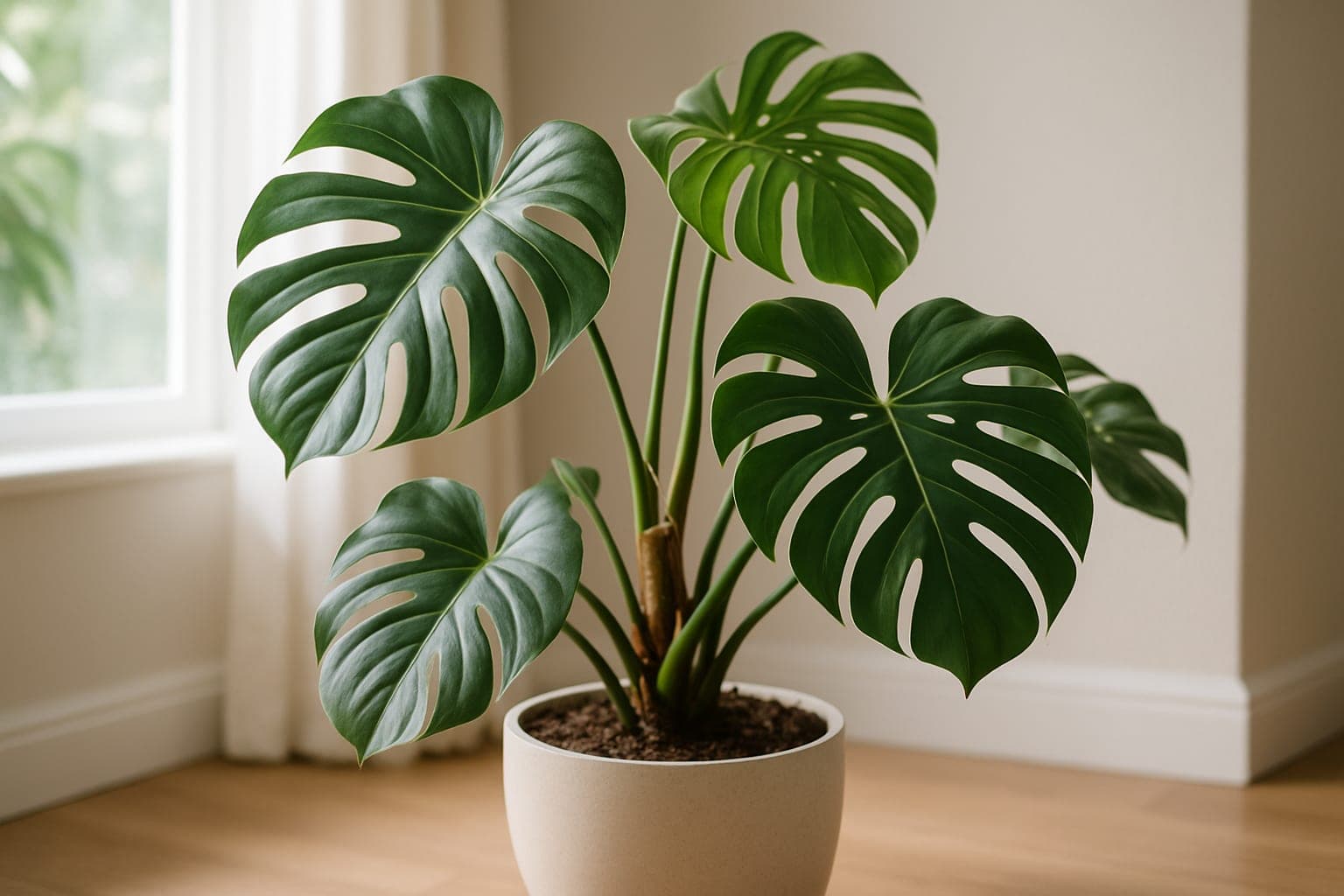
Monstera Deliciosa Care Guide
The Monstera deliciosa, or Swiss cheese plant, is a rewarding tropical climber prized for its dramatic split leaves. This guide covers everything from light and watering to moss poles and the secrets behind those iconic fenestrations.
Seasonal Plant Care: Adjusting for the Changing Year
Adapt your plant care routine throughout the year to keep your houseplants healthy and thriving.

Comments(530)
I learned the hard way that timing is everything with repotting—rushed mine too early in spring and it stressed out my monstera for weeks! I'm curious though, do you have a preference between repotting in spring versus fall? I've been thinking my fiddle leaf fig might need it soon, but I'm always second-guessing myself on the best window.
Spring's ideal for most tropicals because they're ramping up growth, but honestly I've had better luck repotting my *Ficus lyrata* in early summer when it's already in full swing—less shock that way. Fall repotting can work if your plant's actively growing, but if growth slows down (which it does indoors for most of us), you're asking for trouble. Check if your fig's actually root-bound first; that's what really matters more than the calendar.
I've found that waiting for roots to actually circle the pot matters way more than sticking to a calendar—some of my plants are happy in the same pot for years, others need moving every spring. The timing really depends on your watering habits and light conditions, which I think gets overlooked in generic guides. What's your take on repotting during dormancy versus the growing season?
You're totally right about the root-bound check—I've got a rosemary and oregano that I've left alone for three years while my basil basically begs to be upsized every summer. I do try to repot herbs during their active growing season since they bounce back faster, but honestly I've had better luck moving things when I *see* the roots circling rather than waiting for some perfect window. Have you noticed a difference in how quickly plants recover if you repot them while they're actively putting out new growth versus when they're slower?
I learned the hard way that timing is everything—I repotted two of my succulents too early in spring and they sulked for weeks, but waiting until they were clearly rootbound made all the difference. The gentle handling part is still my weak point (I always manage to shake off half the soil), but knowing *when* to repot has honestly saved me from killing things with kindness. This is such a useful foundation to have!
I've learned the hard way that timing is everything with repotting—I once got overzealous with a *Monstera deliciosa* in spring and it sulked for weeks before bouncing back. Now I wait until I actually see roots circling the drainage holes rather than repotting on a schedule, and the difference in recovery time is night and day. Would love to know if you recommend a particular soil mix for tropical plants, since that's made almost as much difference for me as the timing itself.
I've been putting off repotting my Monstera deliciosa for months because I wasn't sure if I'd damage the roots, but this is really helpful! I have nine plants total and most are still in their nursery pots—I'm realizing that's probably why some aren't growing as fast as I'd hoped. If I could upload a photo, I'd show you my pothos because the soil seems to dry out way too quickly now, which made me wonder if it was actually root-bound. How do you know if a plant needs repotting versus just needing better watering habits?
I've learned the hard way that timing matters more than people think—I once repotted my basil (Ocimum basilicum) too early in spring and it sulked for weeks. Now I wait until I actually see roots emerging from the drainage holes, especially with my herb collection in a cold climate where growth slows anyway. Does anyone else find that repotting into significantly larger pots backfires, or is it just my paranoia about overwatering?
I really needed this refresher! I've got a single basil plant (*Ocimum basilicum*) that's been looking a bit rootbound lately, and I've been putting off the repotting because I wasn't totally confident in my technique. Quick question though—do you recommend waiting until spring to repot herbs, or is fall actually better for temperate climates? I'd love to see a photo of your setup if you have one!
I learned the hard way that waiting too long to repot can really set a plant back—I once kept a native Monstera in the same pot for three years, wondering why it had stopped growing, until I finally checked the roots and found them completely bound up. Now I make it a habit to peek at the drainage holes every couple months, and it's made such a difference with my collection. Thanks for putting together a clear guide on this, it's one of those skills that seems intimidating at first but makes everything else so much easier.
Oh, I totally get that! I actually did something similar with a Philodendron a few years back—kept putting off repotting and couldn't figure out why it was just sitting there. Checking the drainage holes every couple months is such a smart habit; I do something similar now and it's genuinely a game-changer. Did you find that your Monstera bounced back pretty quickly once you gave it more room, or did it take a while to recover?
I've learned this the hard way with my monstera—waited way too long to repot and it started getting seriously root-bound. Now I make it a habit to check the drainage holes every spring, and if I see roots poking through, that's my signal to size up. It's such a game-changer for keeping plants happy, so glad you're getting this information out there.
I've found that repotting at the right time makes such a difference, especially with my tropical vegetables like Solanum lycopersicum var. cerasiforme—the growth spurt afterward is always rewarding. I'd love to know if you have a preferred season for repotting, or do you find it works just as well year-round in your climate?
I'd push back gently on the "one-size-fits-all" repotting schedule that often gets recommended—I've found the timing really depends on the species and growing conditions. My *Solanum lycopersicum* gets repotted more frequently during the growing season because it's such a vigorous feeder, while slower growers need far less disruption. The root-bound indicator (roots circling the soil) is helpful, but I've learned to also check whether the plant's actually *using* the water it's getting—a sign it's genuinely ready rather than just looking crowded.
I've found that the timing really depends on what you're growing—my Echeveria and other succulents actually prefer staying pot-bound for longer than most guides suggest, so I only repot every two to three years unless they're clearly pushing roots out the drainage holes. The arid-loving plants seem to do better when you don't fuss with them too much, which is honestly one of the reasons I gravitated toward that side of the collection.
I've found repotting is really where the magic happens—my single potted oregano (Origanum vulgare) absolutely transformed once I moved it to a slightly larger container with fresh, well-draining soil. The roots had gotten quite bound up, and within a couple of weeks I noticed the new growth was so much more vigorous. Timing it right in early spring made all the difference for me.
Absolutely agree on the timing—spring repotting into a slightly larger pot is the sweet spot for most tropicals too. I've had similar results with *Origanum*, though I find it actually prefers staying a touch pot-bound compared to something like *Monstera deliciosa*, which really takes off once you give it room. The fresh substrate probably matters more than people realize, especially if the old soil's compacted and hydrophobic by then.
I've been holding off on repotting a couple of my plants because I wasn't sure if I'd do it wrong, but this makes it feel more approachable. I'm curious though—how do you know if a plant *really* needs repotting versus just wanting more space? I've read conflicting things about waiting until roots come out the drainage holes, and I'm worried about disturbing my plants unnecessarily.
I learned the hard way that waiting too long to repot can really stunt a plant's growth—my first monstera sat in the same pot for way too long before I realized the roots were completely bound up. Now I check the drainage holes every spring and don't hesitate to size up if I see roots poking through, and it's made such a difference in how my plants thrive.
I just repotted my Monstera deliciosa last month and honestly wish I'd read something like this first—I totally guessed on the soil mix and ended up with one that was way too dense! This is really helpful because I'm still figuring out the signs that a plant actually needs repotting versus just wanting to mess with it. Quick question though: do you have a preference between terracotta and plastic pots? I've heard terracotta drains better but dries out faster, and I'm worried I'll overwater if I switch.
I learned this the hard way last winter when I kept my monstera in the same pot way too long—it started dropping leaves like crazy! Now I repot my tropical plants every spring without fail, and honestly it's made such a difference. I'm curious though: do you have a preference between repotting when the plant's actively growing versus waiting for dormancy? I've gotten pretty comfortable doing it either way, but I'd love to know what works best for most people.
I totally get that leaf-drop panic! With my orchids, I've found repotting during active growth (usually after blooming for me) gives them the best chance to recover from root disturbance, since they're already pushing new growth. The one exception I've learned is *Phalaenopsis*—those seem pretty forgiving about timing, which is lucky since my arid climate means I'm constantly fussing with their moisture anyway.
Oh man, the leaf drop struggle is real! I actually do my repotting during active growth whenever possible—I've found my herbs like *Ocimum basilicum* just bounce back so much faster that way. They seem to appreciate the fresh soil when they've got the energy to establish new roots. That said, I've had good luck with dormancy repotting too, it's just slower to see results. Do you find your tropical plants need watering differently right after repotting, or does the timing during spring growth mean they kind of handle it themselves?
I've been putting off repotting my desert marigold for months because I wasn't sure if I was doing it right, so this is super helpful! Quick question though—I have nine plants total and most are native desert species, so they're pretty drought-tolerant. Do they need the same repotting schedule as tropical plants, or can I get away with doing it less often?
Desert species definitely need a different schedule—I'd say repot yours way less often, maybe every 2–3 years instead of annually. The real trick I've found with my herbs (I grow mostly Mediterranean stuff) is watching the soil breakdown rather than the calendar; desert plants are usually fine in their pots longer since they're not depleting nutrients as fast. Have your desert marigold's drainage holes started getting blocked with salt buildup, or is it still draining well?
Desert natives definitely don't need repotting as often—I only repot mine when roots are actively coming out the drainage holes, which for drought-tolerant stuff might be every 18-24 months instead of yearly. The key difference is they're not pushing out growth as aggressively, so they won't outgrow their soil as fast. I'd say skip the schedule and just check them once a year; if the roots aren't crowded, leave them be. Are your nine plants all in similar-sized containers, or do you have a mix of pot sizes?
Desert species are definitely more forgiving with repotting frequency—I'd say once every two years or when you see roots circling the pot is plenty. The key is using fast-draining soil (I mix in extra perlite for mine) so they won't sit in moisture between waterings, which matters more than the repotting schedule itself.
I'd add that timing matters more than people think—I repot most of my collection in early spring, but my cold-hardy orchids are the exception since they need that dormant period undisturbed. The root-bound indicator everyone mentions is real, but honestly, I've found my plants actually perform better when slightly snug rather than swimming in fresh soil, especially in a cold climate where drainage gets sluggish anyway. I've got a photo of my phalaenopsis right now that shows exactly what I mean, but the key is matching pot size to your actual growing conditions, not just following a formula.
I've repotted plenty of herbs over the years, and honestly the hardest part is fighting the urge to do it too often. I used to think more soil meant happier plants, but I've found my basil and oregano actually do better when I let them get a bit root-bound first—especially in my cold climate where they're already stressed. What's your take on sizing up soil volume versus waiting for clear root-bound signs?
I'd push back slightly on the "repot when root-bound" advice that's everywhere—I've found that timing matters less than soil quality for most of my vegetables. A tomato in poor soil will struggle even with room to grow, while one in decent mix can hang on longer than you'd expect. The real game-changer has been checking drainage and refreshing the top few inches of soil instead of full repots when possible. Saves time and plants often don't mind.
I learned this the hard way with my basil—kept it in the same pot way too long and it just stopped growing. Now I repot my herbs every spring before things really take off, and the difference is huge. What's your take on soil composition when you repot? I've been experimenting with adding extra perlite for my cold climate setup since drainage seems to matter even more when temps drop.
I'd add that timing matters more than people realize—I've found repotting my herbs like *Ocimum basilicum* and *Mentha* right as they're entering their growth phase (spring for me) makes a real difference in how well they recover. Also worth mentioning: if your plant isn't rootbound yet, you can often just refresh the top inch or two of soil instead of moving it to a larger pot, which saves space and reduces transplant shock.
I'd gently push back on the idea that repotting is universally essential—I've found that many of my vegetables actually thrive with minimal disturbance, especially root crops like *Daucus carota*. The timing matters enormously too; I've had better results repotting during active growth rather than following a calendar. That said, recognizing when roots truly are pot-bound rather than just visible at the soil surface makes all the difference.
I've been putting off repotting my monstera for months because I wasn't sure if I'd do it wrong, but this makes it feel way less intimidating. I'm still a bit fuzzy on whether my mediterranean climate means my plants dry out faster and might need repotting more often—does that change the timeline you'd recommend?
Yes, totally—your climate definitely speeds things up! I'm in a temperate zone and my herbs need repotting more frequently than they would if I lived somewhere cooler, just because they're drying out faster and using up nutrients quicker. I'd watch for the plant drying out within a few days of watering rather than sticking to a strict timeline. Have you noticed your monstera's soil drying noticeably faster than you'd expect?
I've found repotting timing is so much easier to judge once you've done it a few times—I used to stress about it constantly! For my herbs especially, I check if roots are circling the bottom and if water runs straight through without absorbing, which usually means it's time. One thing that's saved me is switching to terracotta pots for my Mediterranean herbs like rosemary and oregano; they're more forgiving with watering since they're less moisture-retentive than plastic. Have you found certain plant types need repotting more frequently than others?
Those root checks are solid—I do the same with my rosemary and oregano. The terracotta switch makes a real difference in my climate too; the drainage keeps them from sitting wet. I've noticed my faster growers (pothos, philodendron) need repotting every year or so, while slower plants like my succulents go two years easy. The key is honestly just checking instead of going by calendar, which I learned the hard way. Do you stick with terracotta across the board, or do you still use plastic for anything?
I'd push back gently on the idea that repotting is strictly about keeping plants healthy—I've found it's more about *preventing* problems that show up when roots get cramped. The timing matters way more than people think; I repot my vegetables only when I actually see roots at the drainage holes, not on some arbitrary schedule. The bigger mistake I see is using soil that's too rich or retaining too much moisture in the new pot, which does more harm than the repotting itself.
You're spot on about root visibility being the real indicator—I do the same with my Rhamnus alaternus and other Mediterranean natives, since they hate being potted up too early. Though I'd add that the soil composition piece is even trickier than timing; I've learned the hard way that what works for vegetables doesn't always suit perennials, especially with drainage. Are you amending your repotting mix specifically for what you're growing, or sticking with something more universal?
I've been repotting my tropical collection for years now, and honestly the hardest part for me is timing it right—I always second-guess whether a plant *really* needs it or if I'm just itching to fuss with it! Do you have any tips for telling the difference between a plant that's genuinely rootbound versus just looking a bit sad for other reasons? I've got this monstera that's been acting wilted, and I'd hate to repot it if that's not actually the problem. I actually have a photo of it on my phone I'd share if I could upload here—would love a second opinion!
I learned this the hard way last spring when I kept my tomatoes in the same pot way too long—they just stopped growing entirely! Once I finally repotted them into something bigger, they absolutely took off. I'm growing about ten plants now in my med climate setup, and I've realized repotting is honestly one of those skills that seems intimidating until you actually do it a few times. What's your take on how often people should check if their plants are root-bound? I feel like I'm always guessing whether it's "time yet" or if I'm jumping the gun.
I've been meaning to tackle repotting my succulents for a while now—I have nine of them packed pretty close together—so this is perfect timing. I always worry I'm going to damage the roots or use the wrong soil mix, but I appreciate how this breaks down the whole process. Do you have any tips for repotting without totally stressing out a plant, or is it pretty forgiving once you get the basics down?
Succulents are actually pretty forgiving once you get them into fresh soil—I'd say it's one of the more low-stress repottings you can do. The key is giving them a few days to settle before watering, which lets any root damage callus over. Since you've got nine together, this is a great chance to give each one some breathing room; crowding can invite fungal issues in humid tropical climates. Have you found a gritty soil mix that works well for your setup, or are you starting fresh with that too?
I've repotted so many herbs over the years that I've learned the hard way—spring is really the sweet spot for me, especially with my basil and oregano. One thing I wish I'd known earlier is that slightly root-bound plants actually grow better initially, so I used to repot way too often! Now I only do it when roots are genuinely circling the soil. Did you cover signs like water running straight through, or just the size indicators?
I just repotted my Monstera deliciosa last month and honestly wish I'd read something like this sooner—I think I waited way too long and the roots were pretty cramped in there. My question is, how do you know if a plant needs repotting versus just needing fresh soil in the same pot? I have a small Pothos that seems happy but I'm not sure if I should be proactive about it or wait for actual signs of being rootbound.
I always wait until I see roots coming out of the drainage holes before repotting—that's been my reliable signal. The one thing I wish I'd known earlier is that repotting in spring makes such a difference in recovery time; I learned that the hard way with a struggling pothos. I've got a photo of my monstera right after repotting that shows how much more space it needed, and it's thriving now.
I learned the hard way that timing really matters with repotting. I once moved all my plants at once thinking I was being efficient, and half of them went into shock. Now I spread it out through the season and only repot when I see roots coming out the drainage holes or the soil drying out way too fast. I'm glad to see a post breaking this down since it's such a crucial skill, and I wish I'd had this kind of guidance when I started.
I just repotted my basil last month and somehow managed to compact the soil way too much—rookie mistake!—but this is really helpful because I'm never quite sure if I'm doing it at the right time. Does the timing change much for herbs specifically, or is the general "roots poking out the bottom" rule pretty universal? I've been trying to watch for when my oregano and thyme need more room, and I think spacing them out a bit more could help them actually thrive instead of just survive in my kitchen.
I've found repotting to be such a game-changer, especially with my orchids—Phalaenopsis in particular benefits from fresh bark media every couple of years. The timing piece is what I wish I'd understood earlier; I used to repot on a schedule rather than waiting for those telltale signs like roots creeping out the drainage holes. What's your take on repotting frequency for slower-growing species versus the fast growers?
I totally agree about the signs approach—I've learned that lesson too. With my tropical plants in this dry climate, I find the fast growers like my Philodendron can need repotting yearly, while my slower Anthuriums are perfectly happy going longer. The orchid bark is brilliant though; I've noticed my Phalaenopsis really thrives with that fresh medium even if it's not root-bound yet. Do you stick with bark for all your orchids, or do you adjust based on your specific growing conditions?
I've learned the hard way that timing is everything with repotting—I once moved a blooming *Phalaenopsis* too early and it sulked for months in my dry Arizona air. Now I wait until I see roots circling the pot or growth noticeably slows, and I always repot into barely larger containers to avoid overwatering issues. The orchids in my small collection seem much happier since I stopped fussing and got more patient about it!
I really appreciate this post—repotting always feels a bit daunting to me, so having it broken down helps. I'm curious though: I've read that you shouldn't repot during dormancy, but I live in a Mediterranean climate where some of my plants seem to have an odd growing season. Should I follow the standard timing rules, or does it shift when you're not in a temperate zone?
I've killed at least three orchids by repotting them at the wrong time—turns out arid climates like mine make it even trickier since they dry out so fast in fresh soil. Now I wait until I see roots creeping out the drainage holes, and I'm much gentler about it. With 14 plants in my collection, repotting day used to stress me out, but I wish I'd read something like this sooner because it really does make the difference between a thriving plant and one that just… sulks.
I've been putting off repotting my monstera for months because I wasn't sure if I was doing it right—this actually makes it clear when it's necessary and how to do it without stressing the plant out. I have a photo of mine that's clearly root-bound if I could upload it, but I'm still a bit confused about soil mix. Should I be using the same type of soil the plant came in, or can I switch to something that works better for my mediterranean climate?
I've got a small collection of tropical houseplants, and I learned the hard way that timing is everything with repotting—I once moved my Monstera deliciosa in the middle of winter and it sulked for months. Now I wait until spring when they're actively growing, and the difference is night and day. The roots seem to establish so much faster. Do you have a preferred soil mix for different plant types, or do you find one blend works across the board?
Good timing on this—I'd gently push back on the "repot every spring" advice that tends to float around though. I've found most of my vegetables actually prefer staying put unless they're genuinely rootbound; unnecessary repotting can stall growth for weeks. The real signal is checking if roots are circling the soil, not just following a calendar.
I'd push back slightly on the "repot when roots circle the pot" rule—I've found that timing matters way more than root-bound status. My *Rhaphidophora tetrasperma* actually thrives staying slightly pot-bound, but my *Anthurium clarinervium* needs moving before it hits that point or the soil breaks down too fast in my humidity. Spring repotting makes sense in theory, but I've had better results moving plants whenever *I'm* ready to deal with it, since the actual disturbance seems less important than getting fresh substrate and checking for root rot while you're in there.
I've been nervous about repotting my plants, so I'm really glad I found this. I have four plants right now and I think at least two of them are probably rootbound by now—I just wasn't sure if I was doing it wrong and would hurt them. Do you have any tips for figuring out the right pot size, or is it mostly just going one size up?
I've been putting off repotting my two orchids for way too long, so this is perfect timing. The arid climate where I live makes me nervous about disturbing their roots, but I'm realizing that tight pots might be worse for them in the long run. Do you have any specific recommendations for orchid media when repotting, or does your guide cover that?
I completely understand that hesitation—repotting orchids in dry climates does require extra care with moisture retention. Since I'm also working with two orchids in an arid environment, I've found that adding a bit more bark-derived media (like larger-grade Pinus pinaster chunks) actually helps because it stays more stable between waterings. Have you considered the specific humidity needs of your orchid species, or are they both the same genus?
Great timing on this post—repotting is where so many people either do too much or not enough. I've found that with my succulents, the temptation is to jump up a pot size, but they honestly prefer staying snug. A quarter-inch of fresh substrate around the root ball usually does the trick for species like *Echeveria* and *Aeonium*, and it's saved me from the dreaded root rot that oversized pots invite.
I always panic a little when it's repotting time—I'm never quite sure if I'm doing it right or just traumatizing my plants! But I've learned the hard way that waiting too long is worse than repotting slightly too early, especially with my tropical plants in this cold climate where they're already stressed. This guide really helps clarify the timing question, which is honestly what trips me up the most.
I've been meaning to write this down because I keep forgetting my own timeline—how often do you typically repot in spring versus waiting until you see roots coming through the drainage holes? I've got a Philodendron micans that seems to need it every year, but my Anthurium clarinervium is happy going longer. I'm curious if there's a difference based on growth rate or if I'm just being impatient!
I learned this lesson the hard way last year when I kept my tomatoes in way-too-small containers and wondered why they weren't thriving! Once I finally repotted them into bigger pots, the difference was night and day. I'm curious though—do you have a preference between doing it in spring versus fall, or does it really depend on what you're growing? I've got about ten plants going right now and I'm always second-guessing my timing.
Timing really does depend on what you're growing—for me in a mediterranean climate, spring works best for most things since they're gearing up for growth anyway. I've learned to repot my natives right after their dormant period ends, which keeps shock minimal. That said, I've had good success repotting in early fall too if a plant's clearly outgrown its pot mid-season and can't wait. What are you growing in those ten—mostly edibles like your tomatoes, or a mix?
I'd push back gently on the "repot every spring" rule that gets thrown around—with my collection in an arid climate, I find most of mine actually prefer staying put for 18 months or longer, especially succulents and *Aglaonema* types that honestly resent frequent disturbance. The real signal is checking if roots are circling the pot base, not the calendar. Curious whether your guide addresses how soil composition changes between repottings, since that can matter more than pot size alone.
I've been meaning to repot my plants but honestly wasn't sure if I was doing it right or if they even needed it yet. This sounds like exactly what I need to learn. Do you cover the signs of when a plant is actually ready to be repotted, or is that something you'll tackle in another post?
I've been meaning to get better about repotting at the right time – I always seem to wait until my basil and oregano are completely root-bound! Do you have any tips for telling the difference between a plant that's ready to size up versus one that's just thirsty? I feel like I sometimes mistake the two and it's probably not doing my Ocimum basilicum any favors.
I've definitely killed a basil plant or two by leaving it in the same pot too long—didn't realize the roots were so cramped until it was too late! This is really helpful because I'm never quite sure if my herbs actually *need* repotting or if I'm just being paranoid. Do you have a go-to pot size increase, or does it depend on the plant? I've got nine plants scattered around my kitchen and I'd hate to mess up another one by choosing wrong.
I learned the hard way that timing is everything with repotting—I got too eager with my tomatoes last spring and root-bound them worse than before by using soil that was way too dense. Now I wait until I actually see roots poking out the drainage holes, and I've started mixing in extra perlite since I'm in a pretty dry Mediterranean climate. Are you a fan of repotting in spring, or do you find it works better at different times depending on the plant?
I learned the hard way that timing is everything—I once repotted a thriving echeveria in midsummer and it sulked for weeks, while my other succulents barely needed it at all. Now I wait until spring when they're actually ready to grow into fresh soil, and honestly, my collection of 13 plants is so much happier for it. Thanks for the reminder to do this right!
I just repotted three of my succulents last month and honestly I'm still not sure if I did it right! They seem okay so far, but I'm paranoid I packed the soil too tightly. Do you have any tips for knowing if you've used the right soil density, or is it just something you figure out with practice?
I'd actually recommend feeling the soil while you're mixing it—it should crumble easily in your hand without clumping. Succulents especially need that airflow, so if it felt dense when you were working with it, that's usually a sign to add more perlite or coarse sand. I learned this the hard way with my *Echeveria* collection; I was too cautious about soil compaction and ended up with root rot because water wasn't draining fast enough. Your plants probably forgave you, but next time you repot, just make sure water drains through in seconds rather than sitting.
I feel you on the paranoia—I definitely over-packed soil on my first few repots! The trick I learned is that tropical plants especially hate dense soil, so I now do a gentle squeeze test: if water would struggle to drain through, it's too tight. With succulents you're probably fine since they're more forgiving, but honestly you'll know pretty quickly if the density is off because watering becomes either impossible or too easy. How are your succulents draining after watering?
I've definitely waited too long on repotting my three orchids before—Phalaenopsis especially gets cranky when cramped—so this is a timely reminder. My best success came when I started checking roots in early spring rather than waiting for obvious signs of distress, and I've found that a gritty bark mix drains so much better than regular potting soil in my dry climate. Would love to know if you have thoughts on timing for species that prefer being slightly potbound!
I killed my first succulent by repotting it way too often—I thought I was helping! Took me a while to learn that less is more, especially in cold climates where my echeveria barely grows in winter anyway. This guide would've saved me from a lot of unnecessary fiddling. I'd love to snap a photo of my current little one to show how much happier it is now that I actually leave it alone, but I really appreciate you laying out when it's *actually* necessary to repot!
I've been nervous about repotting my plants, so this is really helpful. I'm still figuring out the signs that a plant actually needs repotting versus when I'm just being impatient, so I'm curious—do you have a go-to soil mix you recommend for cold climates, or does it vary depending on the plant?
I've killed more orchids than I'd like to admit by repotting at the wrong time of year—turns out doing it right after they bloom is asking for trouble! This post is exactly what I needed back when I first started; repotting seemed so intimidating until I realized it's really just about giving roots room to breathe. Do you have a preference between spring and fall for most tropical plants, or does it really depend on the individual species?
I've learned the hard way that timing is everything with repotting—I once did it mid-summer when my monstera was already stressed from heat, and it took weeks to recover. Now I wait until spring when plants are actively growing, and I stick to repotting only when roots are actually circling the pot or pushing through drainage holes. One thing that really made a difference for me was using the same soil type rather than switching things up, which I'd done before and caused more problems than it solved.
I'd add that timing matters as much as technique—I've found repotting during active growth (spring for most species) gives plants better resilience than doing it in dormancy. Also worth noting that "pot-bound" isn't always urgent; many of my plants, especially succulents adapted to arid conditions like *Agave parryi*, actually seem to thrive with minimal root space. The real tell is whether water's draining properly, not just whether roots are visible.
You're spot on about timing—I've definitely seen spring repots establish faster than winter ones. Though I'd push back slightly on the pot-bound thing: yes, my succulents handle it fine, but I've noticed even drought-adapted plants drain *faster* in tight quarters, which in a mediterranean climate can actually work against you if you're trying to dial in watering. Do you find you adjust your watering schedule when they're rootbound, or does the faster drainage end up being self-correcting?
I've got a little jade plant that's been in the same pot for about two years now, and I'm pretty sure it's telling me it's time to repot. Your post is super helpful because I always worry about doing it wrong and stressing the plant out. Do you have any tips for knowing if you're using soil that drains well enough? I've got nine plants total and they're mostly succulents, so I'm guessing they need something different from what I'd use for other houseplants.
For succulents like jade, I'd skip the fancy stuff and just mix standard potting soil with perlite or coarse sand—aim for about 30% grit. Your jade will tell you if drainage is off: soggy soil that stays wet for days means you need more drainage material. I learned this the hard way with my first few plants, but once I switched to that ratio, my succulents actually thrived instead of just surviving.
For succulents like jade, I'd actually skip worrying too much about "special" soil—a standard potting mix with added perlite or coarse sand works fine as long as you're not watering heavily. The bigger thing is the pot itself: make sure it has drainage holes and isn't oversized, since soggy soil kills succulents faster than wrong soil composition does. Your jade after two years definitely sounds pot-bound, so you're good to repot; just let the soil dry out first so the roots come away cleanly.
I've been putting off repotting my tomatoes until they start getting rootbound, and honestly it's made a huge difference—they grew so much faster once I actually gave them more space. My question is, how do you know if you're using soil that drains well enough in an arid climate? I've tried a few mixes and they either dry out too fast or stay soggy, so I'm still figuring out the sweet spot for my setup.
I just repotted my Monstera deliciosa last month and wish I'd read something like this first—I kept second-guessing whether the roots were actually root-bound or if I was just being paranoid! My question though: how do you know if you're choosing a pot that's *too* big? I've heard it can cause issues, but I'm not sure what the actual signs are when a plant's unhappy about it.
I just repotted my *Ocimum basilicum* last month and it's made such a difference—the thing was totally rootbound! I'm curious though, how much bigger should you really go with the new pot? I've heard anywhere from one to two sizes up, but I'm worried about overwatering if I jump too much. Did you have a preference when you were testing different approaches?
I've been putting off repotting my orchid for way too long—it's been in the same pot for like two years and I think the roots are getting cramped. This post is exactly what I needed because I'm still learning the basics. Do you have specific tips for orchids since they seem pickier than my other two plants? I'd share a photo if I could, but I'm honestly nervous about doing it wrong and killing it.
Orchids can definitely feel intimidating, but honestly they're more forgiving than people think. I learned this the hard way—I was terrified to repot my first one, but once I did it, I realized the main thing is just using the right chunky orchid bark instead of regular soil, which helps the roots breathe way better than being packed in traditional potting mix. The fact that you're thinking about it now means your plant will probably thank you, and you won't kill it by being thoughtful like this.
I've definitely killed a basil plant or two by waiting too long to repot, so this is the nudge I needed! My question is—when you say the roots are circling the bottom, how much root-bound is too root-bound before you risk shocking the plant during repotting? I'm nervous about disturbing my rosemary since it's finally thriving, but I think it might be getting there.
Repotting gets way overhyped—I'd say most people do it too often. In my tropical setup with 15 plants, I only repot when roots are genuinely circling the pot or water runs straight through without absorbing. Spring timing matters, but honestly, if a plant's thriving, leave it alone. I have a pothos that's been in the same pot for two years and it's producing faster than anything I've moved recently.
I always repot right as I see roots creeping out the drainage holes, but I'm curious—do you find there's a real difference in outcomes between spring repotting versus doing it year-round? I've got a few Mediterranean natives (thinking of my *Myrtus communis*) that seem pretty unbothered either way, but I wonder if I'm just getting lucky.
I've learned the hard way that repotting at the wrong time of year can set a tropical plant back for months—I killed my first Monstera by getting too eager in late fall! Now I wait until spring when my plants are actually ready to grow, and it makes such a difference. Do you have a preferred potting mix recipe, or does it vary depending on what you're repotting?
I learned this the hard way when I kept my monstera in the same pot for way too long—it started getting root bound and the growth just stalled. Now I check the drainage holes every spring, and it's made such a difference with my tropical plants. Do you have a preference between repotting in spring versus waiting until you actually see roots coming out of the drainage holes? I'm always torn on timing, especially with my smaller collection in a colder climate where everything grows slower anyway.
I'd lean toward waiting for those root signals rather than following a strict spring schedule, especially in cooler climates where growth really does slow down. With my succulents, I've found that repotting too early (just because the calendar says spring) can actually invite rot since they're not actively pulling water through the soil yet. That said, checking drainage holes is smart—I do something similar, but I'm really looking for roots circling the soil surface or poking through, which tells me the plant is actually ready to move.
I've found with my orchids that waiting for the visible root signal works better than a calendar—especially in arid climates where growth patterns can be unpredictable. Spring repotting is great for vigorous growers, but I've had better results watching for that moment when roots start creeping out, since it tells me the plant is genuinely ready rather than just guessing based on the season. Have you noticed your tropical plants respond better to one approach over the other, or does it vary by species?
Repotting's one of those things that seems more complicated than it actually is. I've found the timing matters more than technique—I only repot when roots are genuinely crowded, usually every 2-3 years with my orchids. The cold climate where I live actually works in my favor since growth slows down in winter, so I do most repotting then when the plant's less stressed. With just five plants I can be pretty deliberate about it instead of rushing through a collection. Would've loved to see a photo of what healthy root-bound orchids actually look like versus what beginners think they should repot.
I've killed more plants than I'd like to admit by repotting too enthusiastically, so I'm glad this exists! One thing that finally clicked for me was waiting until I actually saw roots coming out the drainage holes—not just *thinking* a plant might be rootbound. With my herbs especially, I was perpetually upsizing when they were perfectly happy, which just invites moisture problems. Now I'm much more patient about it, and honestly, my basil and oregano seem to appreciate not being fussed with constantly.
I've been meaning to get better at this since my collection hit nine plants—I have a Monstera deliciosa that I'm pretty sure is getting root-bound, but I'm nervous about damaging it. Does the timing matter a lot if I'm repotting in a tropical climate, or is it mainly about watching for signs like roots coming out of the drainage holes? I'd love to see photos of what that actually looks like before I attempt it, since I'm still learning to spot the differences between normal root growth and a real problem.
I've murdered more orchids than I'd like to admit by repotting them on a whim, so I learned the hard way that timing is everything—especially in my dry climate where Phalaenopsis seem to resent the whole process even more than usual. Now I wait until right after blooming when they're already stressed, then use bark mix that drains fast, and honestly, I barely touch the roots. It's made the difference between my three orchids actually thriving versus my previous track record of slow decline.
Your approach with waiting until post-bloom is spot on—that's when Phalaenopsis are most forgiving of disturbance. I've found the same thing in my arid setup; the combination of minimal root handling plus fast-draining bark really does seem to reduce stress recovery time. Have you experimented with different bark grades, or do you stick with one that's worked consistently for you?
I'd add that timing matters as much as technique—repotting during active growth (spring for most temperate species) minimizes stress, whereas winter dormancy is usually a mistake. In my arid climate, I've also found that oversizing the pot is tempting but often backfires; I stick to containers only 1–2 inches larger in diameter, which prevents prolonged soil moisture and root rot in slow-draining conditions.
You're absolutely right about timing—I've learned that lesson with my Phalaenopsis, which sulks if I mess with it outside the growing season. And that point about pot sizing in arid climates really resonates with me; I've definitely been guilty of the "just one size up" trap, only to watch the soil stay damp far longer than my orchids prefer. Do you find yourself adjusting your repotting schedule at all for different species, or does the spring timing work pretty consistently across your collection?
Repotting gets oversold, honestly. I've had the same four plants in their current pots for years—they're thriving because I water thoughtfully and they get decent light, not because I chase the "repot every spring" rule. That said, when roots actually circle the pot or water runs straight through, you have to act. What's your take on people who repot on a schedule versus waiting for actual signs?
I really appreciate this perspective, Ivan. I'm still learning when plants actually need repotting versus when I'm just anxious about it, so hearing that you've had success without following strict schedules is reassuring. Those signs you mentioned—circling roots and water running through—make a lot of sense as actual signals to act. Do you find there's a difference between plants that seem fine but are getting rootbound versus ones that are clearly struggling?
I killed my first succulent by repotting it way too often—turns out I was basically stressing it out every season! Now I wait until I see roots circling the drainage hole or the soil drying out impossibly fast, and my collection (all 13 of them, oops) is so much happier for it. This guide would've saved me from that early mistake, so I'm bookmarking it for whenever I inevitably second-guess myself again.
I'm glad someone's tackling this because I see so many people repot on a schedule rather than when the plant actually needs it. I used to do that too—thought spring meant repot everything. Now I only go up a pot size when I see roots circling the drainage holes, and honestly, most of my Mediterranean natives (I'm thinking *Myrtus communis*, *Arbutus unedo*) seem happier staying slightly snug anyway. Did your post touch on soil composition, or mainly the timing and mechanics? I find the substrate matters as much as the pot size itself.
I've been meaning to repot my Monstera deliciosa for months now—it's definitely rootbound—but I kept putting it off because I wasn't sure if I'd do it wrong. This post makes it seem more straightforward than I thought! Quick question though: does the time of year really matter that much, or can I repot whenever I notice the roots coming out the drainage holes? I'm in a temperate zone, so I'm guessing spring would be ideal, but I'm curious if summer would mess things up.
Timing does matter, though less rigidly than people think. Spring is genuinely best because your Monstera will have the energy to recover and establish in new soil, but summer repotting works fine too—just water more carefully for the first week or two since growth slows slightly in heat. The real trigger should be roots at the drainage holes *plus* noticeably slower growth or drying out faster; if it's only peeking through but the plant's thriving, it can wait. Winter is the only hard no for most tropicals.
Spring is definitely ideal since that's when Monstera deliciosa is gearing up for active growth, but summer repotting usually works fine too—just avoid the dormant winter months if you can. I'd say go ahead and repot yours now rather than wait; a rootbound plant is more stressed than one getting the shock of fresh soil during warmer weather. Have you checked if it needs a larger pot, or are you planning to refresh the soil in the same container?
I've learned repotting the hard way—killed a beautiful Monstera once by waiting too long and letting the roots get totally bound up. Now I check my tropical plants every spring, and honestly, I've noticed they grow so much faster once they get that extra room. The trickiest part for me in my cold climate is timing it right so they have time to adjust before winter hits. Do you have a preference between spring and fall for repotting, or does it really depend on the plant?
I've definitely learned this the hard way—I once left my basil in the same pot for two years and wondered why it looked so sad! The timing piece is really crucial; I've found that repotting herbs just as they're starting their growth season (spring for me in the Mediterranean) makes all the difference. They bounce back so much faster when they're not stressed by being rootbound *and* trying to establish themselves in fresh soil simultaneously.
I just repotted my basil (*Ocimum basilicum*) last month and it's made such a difference—the growth has been noticeably faster since it had more room. I'm curious though, do you have specific recommendations for herbs vs. other plants? I've always wondered if the timing's different since I harvest pretty aggressively, and I worry about stressing the plant during the growing season.
I always second-guess myself on timing—is it really time to repot, or am I just being impatient?—but I've learned that checking for roots poking out the drainage holes actually takes the guesswork out. My basil got notably bushier after I moved it up a size last spring, so I'm hoping this post walks me through the technique itself, since I tend to be clumsy with the soil and always manage to spill half of it everywhere!
I've found the hardest part is actually knowing *when* to repot—I used to do it way too often. Now I only repot when roots are genuinely coming out the drainage holes or the soil dries out in like two days. Spring timing helps too. Would love to see a photo comparison of root-bound versus healthy roots to show what people should actually look for.
That two-day dry-out rule is gold—I've used that exact same signal for years in my arid climate. The root-bound comparison idea is solid; honestly, I only figured out what actually root-bound looked like after repotting too aggressively my first year. One thing that saved me: I stopped repotting in fall/winter entirely, even when I was tempted. Spring really does make a difference for recovery.
I completely agree—timing is everything. I waited too long with my Monstera deliciosa once and it got severely root-bound, but now I check by gently tipping the pot and looking at the root ball every few months. That two-day drying rule is a solid indicator; I've noticed it's especially reliable with my tropical species like Anthurium clarinervium. A root comparison photo would definitely help people distinguish between the tight, circling roots of a bound plant and the looser, whiter growth pattern of a healthy root system.
I've been putting off repotting my succulents because I wasn't sure if I was doing it right—this is super helpful! I have about 11 plants that probably need new soil, and I'm nervous about messing it up since they seem pretty happy where they are. How do you know if a plant *really* needs repotting versus just wanting fresh soil for fun?
I learned this the hard way when I kept my tomatoes in the same pot way too long last summer—they just stopped producing, and I realized they'd outgrown it completely. Now I make it a point to check the drainage holes every spring and repot anything that's starting to look rootbound. Do you have a preference between spring and fall for repotting, or does it really depend on the plant?
I totally get that—I once left an orchid in the same pot for three years (in my defense, it was thriving!), but when I finally repotted it, the roots practically unfurled with relief. I'm firmly in the spring camp for most of my collection, though my Mediterranean climate means I can sometimes get away with early summer. I think it really does depend on the plant's growth cycle, but you're spot on about checking those drainage holes—that's the real tell.
I've repotted a few of my herbs now and I'm still figuring out the timing—how do you know if a plant actually needs it versus just wanting fresh soil? I checked my basil last week and the roots seemed fine, but I'm wondering if I should repot anyway since it's been in the same pot for like 8 months.
I've been meaning to figure this out properly—I have nine plants now and I'm pretty sure at least a couple are rootbound, but I'm nervous about doing it wrong. My *Monstera deliciosa* especially looks like it might need more space, though I'm not 100% sure how to tell if a plant is actually ready or if I'm just overthinking it. Does repotting during the growing season really make that much difference compared to other times of year?
Repotting timing is everything—I've learned the hard way that waiting until roots are circling the pot can stunt growth for months. With my vegetable collection in the tropics, I pot up into the next size when I see roots at the drainage holes, usually every 2–3 months during the growing season. The one thing I'd add: don't obsess over perfect soil mixes. A basic 70/30 potting soil to compost blend works fine for most edibles, and overcomplicating it wastes time and money.
I just repotted my Monstera deliciosa last month and honestly I'm still not sure if I did it right—the roots looked pretty crowded so I went up one pot size, but now I'm second-guessing whether I should've waited longer. This post would've saved me some anxiety! Quick question though: is there a way to tell if you've damaged roots during the process, or do you just have to wait and see how the plant responds over the next few weeks?
I'd say you made the right call with the size increase—root-bound Monstera deliciosa really do benefit from that extra room. As for checking if you've damaged roots, you'll mostly have to observe the plant's response over the next few weeks, though I've found that wilting despite adequate moisture is usually the tell-tale sign. I repotted my Syngonium podophyllum a couple months back and noticed slight leaf drop for about ten days, but it bounced back once the roots established in the new medium, so don't panic just yet.
I've repotted most of my herb collection this spring and honestly, timing is everything—I learned the hard way that doing it mid-dormancy just stresses them out. What's your take on repotting right before or right after a growth spurt? I find my basil and oregano bounce back fastest when I do it just as they're about to take off, but I'm curious if that lines up with what you're seeing.
I've found repotting timing is really the make-or-break factor—I waited too long with a Monstera deliciosa last year and it basically stalled out despite good light and humidity. Now I check for roots circling the soil surface every spring, especially with my tropical plants in this dry climate where they dry out faster. One thing I'd add: the soil composition matters as much as the pot size itself. I use a chunkier, more aerated mix for most of my collection since my arid growing conditions mean less natural air circulation around roots.
That root-circling check is solid—I do the same with my tropicals here in the Mediterranean, though I've found spring timing can actually be too late depending on your watering patterns. The soil composition point is spot-on; I've noticed *Philodendron* species especially struggle when people use standard potting mix in drier climates. A bark-heavy blend (I aim for roughly 40% bark, 40% peat, 20% perlite) makes a real difference in preventing that waterlogged root suffocation that happens even with good drainage holes. The chunkier structure keeps air moving where it matters most.
I learned the hard way that timing matters more than I thought—I used to repot on a whim, but now I only do it when roots are actively circling the drainage holes or growth has clearly stalled. With my *Anthurium* and *Philodendron* collection, I've found spring is ideal since they're gearing up for their growth season anyway. One concrete tip: I always water thoroughly the day before repotting, which makes it easier to slide the plant out and reduces transplant shock on those tropical species.
I learned the hard way that timing really matters—I once repotted my monstera right before winter and it sulked for months. Now I wait until spring when my plants are actively growing, and the difference is night and day. Great to see this covered in one place, since repotting can feel intimidating if you've never done it before.
I've killed more plants than I'd like to admit by repotting at the wrong time, so I'm glad someone's laying out the fundamentals! My one hard-won tip: wait until you actually see roots coming out the drainage holes—not just when you *think* it might be time. I used to repot my plants on some arbitrary schedule and it was a disaster. In my Mediterranean climate, my plants barely grow in winter anyway, so I've learned to resist the urge and just wait for spring when they're genuinely outgrowing their pots.
I learned this the hard way with my monstera last winter—I kept putting off repotting because I was worried about shocking it, but it actually started declining faster once it got root-bound. Now I make it a point to check the roots at least once a year, even if I don't always repot right away. Do you have a preference for spring repotting versus fall, or does it really depend on the plant? I'm curious since I'm in a cold climate and have mostly tropicals, so timing feels extra important to avoid stressing them out.
I learned the hard way that timing matters more than people think—I once repotted a Monstera deliciosa mid-growing season and it sulked for weeks. Now I wait until I see roots poking through the drainage holes or water running straight through the pot, and I always repot in spring when the plant's ready to push new growth. One thing that's saved me is using a potting mix with good aeration (I mix in extra perlite for my tropical plants), since that's where most repotting goes wrong.
I just repotted my pothos for the first time last month and was so nervous I'd mess it up, but your post makes it sound way more manageable. I'm still a bit unclear on the timing though—how do you know if your plant is rootbound versus just needing better soil? I have a few plants that seem slow-growing, and I'm wondering if repotting might help or if I should just wait.
I just repotted my basil for the third time this year—turns out I kept going up too many sizes at once! Your timing is perfect because I'm finally getting the hang of matching pot size to actual root growth rather than just guessing. One thing that's saved me with my herbs is using terracotta; the drainage is so much more forgiving when I inevitably water too much. Looking forward to reading the details!
The terracotta thing is real—I learned that lesson with my Mediterranean herbs too. I used to size up aggressively and wonder why everything got root rot; turns out my watering habits needed to match the pot, not the other way around. One size up at a time has honestly saved me more plants than anything else. Do you find terracotta dries out faster in your climate, or is that just my dry summers talking?
I've found repotting can make such a difference—I recently moved my *Anthurium clarinervium* to a slightly larger pot with fresh aroid mix, and the growth this season has been noticeably faster than before. The key thing I learned was resisting the urge to go too big; that extra soil just stays wet and invites root issues. Timing it right with the growing season has honestly been more important than I initially thought.
I appreciated the emphasis on timing—so many people repot on a calendar schedule rather than waiting for actual signs like roots circling the soil. I've found that checking drainage holes and gently tugging the plant out of its pot takes just a moment and prevents unnecessary root disturbance. Do you recommend a specific soil composition for repotting tropical species, or does it vary widely by genus?
I totally agree about the timing thing—I've definitely been guilty of the "spring repotting ritual" approach and had to learn that lesson the messy way! For my tropicals, I've had the most luck with a chunky, well-draining mix (orchid bark, perlite, and quality potting soil), though I'll admit I've had to adjust for a few of my finicky ones. My Monstera and Philodendrons seem pretty forgiving, but my Anthurium gets temperamental if I skimp on the drainage. Do you find your tropical collection has pretty consistent preferences, or are you mixing different substrates for different plants?
I learned this the hard way with a beautiful jade plant that I kept "protecting" in the same pot for way too long—turns out it was basically screaming for more room! Repotting it was honestly a game-changer; I wish I'd done it sooner instead of assuming I was doing it a favor by leaving it alone. Your timing tips are so helpful because I'm definitely going to use them before my succulents get completely rootbound again.
I'd push back slightly on the idea that repotting is essential for all plants—I've found that smaller growers like my herbs actually do better left alone until they're genuinely root-bound, which takes longer than most guides suggest. The timing matters way more than the technique itself, so I'm curious whether your post emphasizes checking roots before jumping to a larger pot.
I'd add one thing that took me years to learn: don't repot just because it's spring or because you feel like it. I check my orchids specifically—roots circling the pot or poking out the drainage holes, that's when they actually need it. Moving them too often does more harm than good, especially with orchids in cold climates like mine where they're already stressed. I've got a Phalaenopsis that only gets repotted every three years and it's my best bloomer.
I've found that the timing piece is really where folks tend to struggle most—I see a lot of people repotting on a schedule rather than waiting for actual signals from the plant itself. With my succulents especially, I've learned to watch for roots circling the soil surface or water running straight through, which usually tells me more than a calendar date ever could. Curious whether your post digs into substrate changes too, since that's made such a difference in my collection.
I've been repotting more frequently lately, especially with my tropical plants like Monstera deliciosa and Philodendron varieties—they seem to appreciate the extra space during the growing season. The timing really does make such a difference, and I'm curious whether you recommend waiting until you see roots emerging from the drainage holes, or if there are other signs you've found more reliable.
I've found that root-bound signs vary so much between plants—with my orchids especially, I sometimes miss the drainage hole cue entirely since they're in bark mix! I actually lean more on checking the weight (they get surprisingly light when rootbound) and how fast they dry out, which tends to be a more reliable early warning for me than waiting for those escape artist roots. Do your Monsteras and Phils dry out noticeably faster right before you repot them, or is that more of an orchid thing in my experience?
I've found repotting season can be a bit of a juggling act—I just moved my basil and oregano to slightly larger pots a few weeks ago and they've really taken off! My one tip: I always check the drainage holes first thing, because I've seen too many herbs struggle in pots that looked fine on the outside but were basically waterlogged. Do you have a preference for pot material, or does it depend on the plant?
I just repotted my Monstera deliciosa last month and wish I'd read something like this first—I think I went up two sizes instead of one and now the soil stays too wet. How do you know if you've chosen the right pot size? I've got about eight plants now and I'm still figuring out whether that extra drainage hole actually makes a difference or if I'm just overthinking it.
I did the same thing with my first repot! I've learned the hard way that going up just one size makes a real difference—the soil dries out at a reasonable pace instead of staying soggy for weeks. For pot size, I now just check if roots are circling the bottom and pushing against the sides, then pick the next size up. On drainage holes, honestly one good hole seems fine for me in my mediterranean climate, but I notice my plants appreciate it when the soil can actually dry out between waterings, so maybe that's what matters most?
I've learned the hard way that spring repotting is a game-changer for my herbs—they seem to absolutely take off afterward. My one tip: don't jump to a pot that's too large, which I definitely did with my basil once and watched the soil stay soggy for weeks. A modest step up in size works so much better.
I totally agree about the size trap—it's such a common mistake. I made the same error years ago with a Phalaenopsis, and the root rot that followed was a hard lesson. The key really is matching pot size to the plant's current root mass, not what you think it'll need in six months. Have you found a particular pot size jump works best across most of your herbs, or does it vary by species?
I've found that repotting at the right time makes such a difference – I just moved my Monstera deliciosa up a size and it's already pushing out new growth. The tricky part for me in my Mediterranean climate is avoiding that post-repot shock during our hot summers, so I tend to do most of my repotting in spring. Do you have a preference for repotting season, or does it depend more on how root-bound the plant is?
Repotting timing is everything—I've learned that the hard way with my orchids in a cold climate. The common advice about spring works fine, but I've had better results waiting until I see active growth, even if it's later in the season. Rush it and you risk rot; wait too long and you're fighting a root-bound plant through winter. Worth the patience though, especially with orchids where I've got just five plants and can actually pay attention to what each one needs.
That's really helpful—I've been wondering about timing since I'm still figuring out what works in my Mediterranean climate. Do you find that waiting for active growth signs means you end up repotting later in summer sometimes, or does your orchid usually start growing by spring anyway? I have a few orchids myself and I'm nervous about getting it wrong, so I'm trying to learn what "active growth" actually looks like before I jump in.
I learned the hard way that timing is everything with repotting—killed a tomato plant once by doing it right before a heat wave, and it never recovered! Now I wait until early spring when my small collection of veggies has a better chance of bouncing back. Do you have a preference between repotting in spring versus fall, or does it really depend on the plant?
I'd add that timing really matters—I see a lot of folks repot on a fixed schedule, but with my succulents especially, I wait for signs like roots circling the drainage hole rather than the calendar. With something like Echeveria elegans, repotting during active growth in spring works best, but honestly, in my arid climate I can sometimes go years before they need it. The soil composition shift is equally important as the pot size increase; I always use a gritty, well-draining mix rather than standard potting soil to avoid the root rot that comes from poor drainage.
I've found repotting season to be crucial for my collection, especially with tropical species like my *Anthurium clarinervium* that really demands well-draining medium and room for growth. The timing piece is what most people get wrong—I used to repot on a schedule, but waiting until I see roots circling the drainage holes makes a huge difference in reducing transplant shock. Great reminder that this isn't just busy work but genuinely one of the most impactful care practices.
I'd love to know if you cover root-bound indicators beyond just roots poking out—I've found that with my Cistus species, checking soil dry-down speed is often the first sign they need upsizing, way before you see roots circling. Do you recommend staying only one size up, or do you ever go bigger for vigorous growers?
I've definitely learned the hard way that timing matters—I repotted a young *Actinidia arguta* too early in spring once and it sulked for weeks. Now I wait until I see roots circling the drainage holes or the plant visibly slowing down between waterings, which usually happens as things warm up here. The biggest game-changer for me was switching to a gritty, well-draining mix rather than standard potting soil; my cold-hardy natives seem to appreciate it way more.
I learned the hard way that timing matters more than most people think—I repotted a Monstera deliciosa too early in winter and it sulked for months. Now I wait until I see roots circling the bottom or water running straight through, and I always do it in spring or early summer when the plant's actively growing. Makes such a difference in how quickly they bounce back.
I've found that timing repotting to early spring works best in my arid climate—my succulents seem to establish themselves faster when they have the warm season ahead. One thing I'd gently push back on though: the common advice to always go up one pot size isn't universal. With my collection, I've had better results keeping Echeveria and Sempervivum in snugger containers to avoid moisture lingering around the roots. The soil mix matters just as much as the pot itself.
You're absolutely right about the snug-pot approach for succulents—I've had the same experience with my Capsicum annuum staying happier in tighter quarters than the standard sizing guide would suggest. The soil composition really is half the battle, especially in tropical humidity where drainage becomes critical. Do you find that adjusting your potting mix (say, adding more perlite or bark) is enough to compensate when you do need a slightly larger container, or do you mostly stick with that snug fit?
I've killed exactly two plants by repotting them at the wrong time (oops), so I'm really glad I found this! My biggest struggle is figuring out when a plant *actually* needs repotting versus when I'm just overthinking it—I tend to panic if the soil looks dry for five seconds. Do you have a foolproof way to tell if roots are genuinely root-bound, or is it more of a feel thing?
I learned the hard way that timing matters way more than people think—I repotted a struggling pothos too early and it took weeks to bounce back. Now I only repot when roots are actually coming out the drainage holes or the soil stops draining properly, usually once a year in spring. Using a pot only slightly larger than the old one and sticking with the same soil type has made a huge difference with my collection. I'd love to see what size jump you recommend if you cover that.
I'd push back slightly on the idea that repotting is always essential for healthy growth—I've found that many plants, especially xeric species like *Haworthia* and *Aloe*, actually prefer staying pot-bound for years. The real skill seems to be reading each plant's specific needs rather than following a fixed schedule. Looking forward to seeing how you distinguish between plants that genuinely need space versus those better left undisturbed.
I'd push back a bit on the idea that repotting is essential for every plant—mine sit in the same pots for years unless roots are actually circling the soil or drainage gets sluggish. The real skill is knowing when it's *actually* needed versus just refreshing the soil. What's your take on how often most people end up repotting unnecessarily?
I've been meaning to repot a couple of my succulents that have been in the same soil for way too long, so this is exactly what I needed. I have nine plants total and I'm still figuring out the timing—do you usually repot in spring, or does it depend on the plant? I'm a bit nervous about doing it wrong and stressing them out, but your post makes it sound manageable.
I've found repotting to be such a game-changer, especially with my orchids in this dry climate—getting the right pot size and media makes all the difference for drainage and aeration. My Phalaenopsis in particular responded beautifully once I switched to a bark-based mix and gave it more breathing room. What's your take on the best time of year to repot in arid regions, or do you find it's more about the individual plant's growth cycle?
I've learned the hard way that timing is everything—killed a beautiful orchid last year by repotting right as it was about to bloom, which I definitely wouldn't recommend to anyone else! Now I wait until after the blooms drop, and my 14 plants (okay, mostly the orchids in my dry climate) seem much happier for it. Would love to see a photo of mine showing the root development, but I'm curious if your post covers those subtle signs that a plant's actually ready versus when we just *think* it needs a bigger pot?
I learned the hard way that waiting too long to repot is worse than doing it too early—my pothos basically stopped growing once it became rootbound. Now I check the drainage holes every spring and repot if I see roots circling, and it's made a noticeable difference across my collection. The biggest thing nobody tells you is that fresh soil really does matter; the old stuff compacts and drains poorly after a year or two.
You're spot on about the soil—I ditched my old potting mix habit and noticed my Mediterranean natives especially perk up with fresh stuff. The drainage thing is real; compacted soil just holds moisture longer than you'd think. Do you stick with the same soil type for everything in your collection, or do you switch it up depending on the plant?
You're so right about the drainage holes check—that's such a practical habit. I've found the same thing with my tropical plants, especially *Rhaphidophora tetrasperma* and *Anthurium* species, which really seem to perk up once they're in fresh substrate. The compaction issue is real, and I think people underestimate how much the soil structure breaks down over time. Do you stick with the same soil mix when you repot, or do you ever adjust it based on what each plant needs?
I've learned the hard way that timing is everything—I once repotted a struggling basil in midsummer and it sulked for weeks, but the same plant thrived when I waited until early spring. Now I try to repot my herbs right as they're beginning their growth spurt, which takes a lot of the guesswork out of it. Such a useful skill to nail down!
I always get nervous repotting my orchid—worried I'll damage those delicate roots—but I'm realizing I might actually be *waiting* too long between repots out of caution. Does the timing change much for orchids specifically, or is the "roots circling the pot" rule pretty universal? I've got about ten plants and this feels like the skill I need to nail down to stop second-guessing myself!
I'd actually push back gently on the "circling roots" rule for orchids—it's not a one-size-fits-all signal. Orchids honestly prefer being slightly snug and can go longer between repots than, say, my tomatoes or peppers would. What I've found more reliable is checking the medium itself; when bark or whatever base you're using starts breaking down into sludge, that's your cue, usually every 1–2 years. The delicate roots are tough enough for repotting if you're gentle—I'd worry more about overwatering in degraded medium than the act of repotting itself.
I wish I'd known about repotting sooner—I killed my first desert rose by leaving it in the same pot for three years! Now I'm more careful about checking if roots are circling the bottom, especially with my native succulents that seem to outgrow their homes so fast. Do you have a preference between spring and fall for repotting, or does it really depend on the individual plant? I've got about eleven plants now and I'd love to nail this before I mess up another one.
I totally understand that frustration—desert rose can be finicky about being potbound. For my orchids in the arid climate here, I repot right after blooming ends, which usually falls in spring, but honestly the timing matters less than catching it before the roots really suffer. Since you're working with succulents, you've probably got more flexibility than I do; those tend to be forgiving as long as drainage is solid. What kind of soil mix are you using for your native plants now?
I'd gently push back on one thing most repotting guides gloss over—the timing really depends on whether you're growing actively or dormant. I've found that repotting my vegetables (mostly *Solanum lycopersicum* and *Capsicum annuum*) mid-season when they're in full growth is tempting but often sets them back. Better to repot in early spring before the real growth flush, or wait until after harvest. The root disturbance costs more energy than people expect when a plant's already fruiting.
I'd add that timing matters as much as technique—I've found repotting my herbs (basil, oregano, Origanum vulgare) right as they enter their growth phase in spring gives far better results than waiting until they're already root-bound. The soil also makes a difference; I use a lighter mix for herbs than I would for other houseplants since they prefer better drainage, and I've noticed it reduces issues with fungal problems that can develop in overly wet conditions.
Good point about timing—I've learned that lesson the hard way with my pothos and philodendrons. Spring repotting really does make a difference in how quickly they bounce back. The soil mix tip is solid too; I switched to a chunkier blend with more perlite after dealing with root rot on a couple of plants, and it's been a game-changer. Wish I'd known that earlier instead of using the same dense potting mix for everything.
I've learned the hard way that timing matters way more than people think—I once repotted a struggling plant mid-summer and nearly killed it, when what it really needed was to wait until spring. Now I only repot when roots are actually circling the pot or water runs straight through, and I stick to the growing season. The biggest mistake I see is using soil that's too rich; native plants especially appreciate the same gritty, fast-draining mix they'd get in nature. Did you cover soil composition in your guide, or focus mainly on the timing and technique?
I'd add that timing depends heavily on your climate—I'm in an arid zone and my plants slow considerably in winter, so I repot in early spring rather than fall like some guides suggest. Also worth noting that "root-bound" looks different depending on the species; *Aloe* and *Agave* actually prefer snug conditions, whereas *Monstera* genuinely benefits from room to spread. The substrate matters as much as the pot size, especially if you're not adjusting your watering habits accordingly.
I learned the hard way that timing is everything with repotting—I killed a basil plant once by doing it in the middle of winter, and it never recovered. Now I try to repot my herbs in spring when they're actively growing, and they bounce back so much faster. Do you have a preference for soil mix when repotting, or does it vary by plant type?
Yeah, winter repotting is rough—the plant's basically in hibernation and can't handle the root disruption. I've found spring is definitely the sweet spot, especially for herbs. On soil mix, I don't overthink it: I use a general-purpose blend for most things, but I'll swap in extra perlite for anything that needs better drainage (succulents, cacti) since my area gets humid. Do your herbs do better in any particular mix, or does a standard potting soil work for you?
I just repotted my Monstera deliciosa last month and was honestly nervous I'd mess it up, but this timing is perfect because I'm pretty sure my pothos is also getting cramped in its pot now. My question is—how can you tell the difference between a plant that's truly rootbound versus one that just needs water? I've read that roots circling the soil is the sign, but my fiddle leaf fig always seems to have some roots near the edges and I'm not sure if that means it's ready or if I'm overthinking it.
I learned this the hard way with my tomatoes last season—kept them in the same pot way too long and they just stopped producing! Now I check for roots poking out the drainage holes every few weeks, especially during the growing season. Do you have a preference between spring repotting versus waiting until you see roots at the surface? I'm curious if timing matters less in a mediterranean climate like mine where the growing season's basically year-round.
I've repotted plenty over the years, and honestly the biggest mistake I see is doing it too often. I wait until roots are actually circling the soil or water runs straight through—not just because a plant looks "done" growing. In my tropical setup, my vegetables especially need that established root system before I size up, otherwise they just sit there. Spring's the sweet spot for repotting; the plant's got the energy to deal with it.
Completely agree—I've wasted pots and soil doing unnecessary repots. The root-circling rule is solid; I stick to it too. One thing I've found in my mediterranean climate is that waiting until late winter/early spring also means I'm less likely to underwater during the transition, since growth's slower and water demand's lower than in summer. Do you find your vegetables need a longer settling-in period after repotting than other plants, or is it just the risk of stunting them that makes you more cautious?
I'd add that timing matters more than most guides suggest—I've found repotting right before the growing season (spring for most temperate species) works better than waiting until roots visibly circle the pot. Also worth mentioning that arid-climate plants like my *Pachypodium* and *Aloe* species often prefer staying slightly root-bound, since excess soil can retain moisture they don't need; the standard "root circling = repot now" rule doesn't always apply.
I'd push back on the "repot every year" advice I see everywhere—honestly, I've found most of my plants do better on a longer cycle, maybe every 18-24 months depending on the plant. My tomatoes and peppers are the exception since they're heavy feeders, but even then, I'd rather refresh the top layer of soil than constantly upsize the pot. Seems like a lot of unnecessary stress for what's really just a nutrient issue in many cases.
I've been nervous about repotting mine because I wasn't sure if I was doing it right—I have this pothos that's been in the same pot for maybe two years now and I'm pretty sure the roots are crowded. This is exactly what I needed; I'd love to see a step-by-step on timing because I'm still learning to read when a plant actually *needs* it versus when I'm just being impatient. I have six plants total and honestly repotting feels like the one thing I keep putting off, so thanks for making it seem less intimidating!
I've learned the hard way that waiting too long to repot can really stunt a plant's growth—I had a pothos that looked pale and weak until I realized it was completely root-bound. Now I check my plants every spring and repot whenever I see roots circling the bottom, and the difference in how they perk up is amazing. A tip that's saved me from overwatering mistakes: I always use fresh soil mix, not old soil from my garden, since it drains so much better in containers.
That root-bound pothos experience really resonates—I had the same issue with an Epipremnum pinnatum a couple years ago and was shocked at how quickly it recovered once I got it into fresh substrate. Your spring checking routine is smart; I do something similar but found that waiting for visible roots at the drainage holes actually means I'm already a bit late, especially with my tropical plants. Fresh, well-draining mix makes such a difference—I switched to a peat-based blend with perlite and honestly haven't dealt with the compacted soil problems since.
That root-bound pothos story really resonates—I've had similar issues with my Ruscus aculeatus getting stuck in its pot. I'm curious though about the fresh soil mix point: are you using a standard potting mix or adjusting the ratio for your climate? I'm in a mediterranean zone and wondering if I should lean more toward perlite or bark to avoid moisture retention issues, since our humidity is pretty low already.
I've been meaning to figure this out since I got my fourth plant last month. I kept wondering if I was supposed to repot right away or wait, so I'm really glad someone broke this down. Do you have a preference between plastic and terra cotta pots for cold climates, or does it mostly depend on the plant itself?
I'm still figuring this out myself, but I've found terra cotta drains faster, which actually helps my Mediterranean herbs avoid soggy roots—though it dries out quicker in cold climates, so you'd water more often. Plastic retains moisture longer, which might suit you better if you're in a colder area? I honestly just match the pot to what the plant seems to want rather than the climate, if that makes sense!
I find repotting can really make the difference, especially with orchids—I've seen mine (Phalaenopsis mostly) absolutely thrive once I moved them into bark-based media and slightly larger containers. The tricky part in my arid climate is resisting the urge to repot too frequently; I usually wait until I see roots circling the pot or growth has clearly stalled. Do you have any tips for knowing when orchids specifically are ready, or does your approach work across different plant families?
I totally get the root-circling check—I've learned that lesson with my tomatoes and peppers the hard way! In my Mediterranean climate, I actually repot my veggies into progressively larger containers once they start outgrowing their starter pots, usually when I see roots peeking out the drainage holes. The timing's been crucial for me since our heat can stress plants if they're cramped, but I imagine orchids are way more fussy about it than my tomato plants. Do you find the bark medium actually helps with drainage in your arid setup, or is it more about mimicking their natural conditions?
I learned the hard way that the "when" matters way more than the "how"—I used to repot on a schedule and killed more plants that way than I've lost to anything else. Now I only repot when roots are actually circling the pot or water runs straight through, and my plants are much happier for it. What's your take on repotting in winter versus the growing season?
That's really helpful to hear—I've definitely been guilty of the "repot on schedule" thing too! I'm still learning to read those signs like circling roots, so I really appreciate you sharing what actually works. I'm in an arid climate and most of my plants are native species, so I'm curious if the winter thing changes at all for plants that don't have a super distinct dormancy period, or if the "wait for active growth" rule still applies either way?
I've found that repotting at the right time makes such a difference – I usually check my tropicals in spring when I notice roots circling the drainage holes. The trick I've learned with my collection is not to jump to a pot that's too large; I stick with going up just one or two sizes, which keeps the soil from staying waterlogged between waterings. Are you particular about soil mixes for different plant types, or do you use one blend across the board?
I learned the hard way that timing is everything with repotting—I once rushed to upsize a young Monstera deliciosa and it sulked for months. Now I wait for those telltale signs like roots circling the drainage holes, and my plants seem so much happier for it. This guide sounds like it would've saved me a lot of trial and error back then.
I always wait for roots to actually peek out the drainage holes before I repot—saved me from doing it too early and creating soggy soil disasters. One thing I'd add is that spring repotting works beautifully for herbs especially, since they can establish in their new pot before the growing season really kicks off. Great to see this covered clearly!
Totally agree about waiting for those root signals—I've definitely learned that the hard way! I'm curious though, do you find spring timing works equally well for all your herbs, or are there some that prefer a different window? I've had mixed results with my Solanum lycopersicum seedlings when I repot too early in the season, so I'm wondering if it's similar with your herb setup.
I've been putting off repotting my Monstera deliciosa for months because I wasn't sure if I was doing it right, so this is perfect timing! Quick question though—I've read that you should repot in spring, but I'm in the tropics where it's basically warm year-round. Does that change when the best time is, or should I still stick to a specific season?
I'd push back on the idea that repotting is essential for most plants—I've found that waiting until roots actually circle the pot matters more than any calendar schedule. With my collection in a Mediterranean climate, I'm repotting maybe once every two years, sometimes longer. What's your take on the risk of overwatering after repotting, especially for plants that were doing fine in smaller pots?
I've been meaning to tackle this with my succulents—I have nine of them now and I think at least three are probably outgrowing their pots. My jade plant especially looks a bit cramped, so I'm trying to figure out if spring is the right time to repot it. This guide seems like exactly what I needed, since I'm still learning when it's actually necessary versus when I'm just overthinking it.
I found this really helpful—repotting can feel intimidating at first, but you've laid out the fundamentals clearly. I always check for roots circling the drainage hole before I make the move, and I've learned the hard way that using the right soil mix makes all the difference, especially with my tropical plants like Monstera deliciosa and Philodendron species that prefer something with more aeration. Do you have a preferred potting medium, or does it depend on the plant type?
I've learned the hard way that repotting at the wrong time can set a tropical plant back for months—I once got impatient with my struggling monstera and ended up stressing it even more! Now I try to time it for spring when they're actually ready to grow, and it makes such a difference. Do you have a preference between repotting right before or after watering, or does it really depend on the plant?
I've been putting off repotting my monstera for months because I wasn't sure if I was doing it right—this is exactly the practical breakdown I needed! I'd love to know if the timing is different in a mediterranean climate like mine, since everything grows slower here in summer when it's so hot. I have a photo of mine looking pretty cramped that I'd share if I could upload, so fingers crossed this helps me finally get it done without killing it.
I find most repotting guides focus heavily on tropical houseplants, so I'm curious whether you touched on the unique needs of succulents here. With my collection, I've learned that timing is quite different—I repot my Echeveria and Aloe in spring when they're actively growing, but honestly, many succulents can go years in the same pot. The real trick is making sure the soil drains fast enough; regular potting mix holds too much moisture for Sempervivum and similar species.
I wish I'd read something like this before I killed my first orchid by leaving it in soggy potting mix for two years—turns out "just water it" isn't a repotting strategy! Now with my 14 plants, I'm way more intentional about it, especially my orchids in our arid climate where they seem to dry out faster than I expect. I'd love to see your take on timing for orchids specifically, since mine always seem to rebuke me when I think it's the right moment.
I've been holding off on repotting my *Monstera deliciosa* because I wasn't sure if I was doing it right—this is really helpful! I have about nine plants in my tropical setup and honestly, I think at least three of them are probably root-bound by now. Do you have any tips on whether it's better to repot during a specific season, or does it depend more on the individual plant's growth cycle?
I've killed exactly two rosemary plants by waiting too long to repot them, so this is timely! I'm still figuring out the right timing—my basil always seems to need it sooner than I expect—but I've learned that checking if roots are poking out the drainage holes is a pretty foolproof signal. Looking forward to reading the full post to see if I'm missing anything obvious.
Great timing on this post—repotting is one of those skills that makes such a difference. I've found that with my orchids especially, getting the medium and pot size right is half the battle in an arid climate where water retention matters so much. The roots really do tell you everything if you know what to look for. Do you have a preferred potting medium for any particular plant types, or do you stick with a general-purpose mix?
I've learned the hard way that timing matters way more than people think—I repotted a pothos way too early once and it sulked for weeks. Now I wait until I actually see roots coming out the drainage holes or the soil drying out crazy fast, which saves me from unnecessary stress on the plant. Would've saved myself a lot of trouble if I'd read something like this first!
Totally get it—I killed a tomato seedling by repotting too early last spring, thinking I was helping it along! Now I'm way more patient about it, especially with my veggies since they're extra finicky about root disturbance. That drainage hole rule you mentioned is gold though. Do you find there's a sweet spot timing-wise with certain plants, or does the "wait for the signs" approach work pretty universally for you?
I learned this the hard way with my succulents—I kept them in the same pots for way too long because I was worried about shocking them, and they just got rootbound and sulky. Now I check the drainage holes every spring and repot if I see roots circling, and honestly, they're so much happier. This guide would've saved me from a lot of guilt (and probably some plant casualties)!
I've killed my share of orchids by repotting at the wrong time—nothing quite like destroying a blooming spike out of impatience—but I've learned that the "when" is honestly half the battle. Your point about watching for roots circling the drainage holes really resonates with me; I now wait until I see that telltale sign rather than going by a calendar. What's your take on repotting right after blooms drop versus waiting until active growth starts? I've been torn on timing with my phalaenopsis collection.
I've learned the hard way that timing is everything with repotting! I killed a basil plant once by repotting it way too early in spring when it was still adjusting to being indoors. Now I wait until I see roots actually poking out of the drainage holes before I make a move. Since I've got about 15 plants in my collection, mostly herbs because of my cold climate, I've gotten pickier about doing it at the right moment. Do you have tips on whether it's better to repot in the morning or evening?
The root-poking-out rule is solid—I go by that too. Timing of day honestly doesn't matter much in my experience; what matters way more is doing it when the soil is slightly moist but not wet, so it holds together and doesn't shock the roots. I'm in a tropical climate growing mostly vegetables, and I've found afternoon repotting actually works better for me since the plants have time to settle before the heat of the next day hits. Your basil lesson tracks—herbs especially resent unnecessary disturbance early in their cycle.
I totally get that—I've been there with overwatering concerns during repotting too! Honestly, I haven't noticed much difference between morning and evening repotting myself, though I do try to avoid the hottest part of the day, especially with my tropical plants since they're already a bit stressed. Your roots-poking-through rule is solid though. Out of curiosity, do you find your herbs recover faster than your other plants after repotting, or are they just pickier in general?
I've found repotting to be one of those skills that really transforms how my orchids perform, especially in my arid climate where drainage and media breakdown are bigger concerns. My Phalaenopsis specimens really started thriving once I got the timing right—waiting until after blooming and checking for that telltale root circling. Do you have a preferred potting medium for different plant types, or do you stick with a general-purpose mix?
I've definitely learned this the hard way—I kept my monstera in the same pot for way too long and it basically stopped growing, even though I was watering perfectly. Once I finally repotted it into something bigger, it exploded with new leaves within a month. I'm curious though: do you have tips for repotting tropical plants in winter? I'm in a cold climate and I'm always worried about shocking them, so I tend to wait until spring, but I'm wondering if that's overthinking it.
I've found repotting timing makes all the difference—I recently moved my *Anthurium clarinervium* into a slightly larger pot at the start of the growing season, and the new leaf unfurl has been noticeably faster. The shift from a dense root ball to fresh substrate really does give them that growth boost, especially in tropical conditions where they're actively pushing new growth.
I've found the timing piece trickier than most guides let on—my *Cistus albidus* actually sulked for weeks after a winter repot, even though technically it needed the space. Do you have thoughts on dormancy windows? I'm curious whether you'd recommend holding off on repotting during a plant's slow season, or if that's overly cautious for most houseplants.
I've definitely learned the hard way that timing is everything with repotting—killed a phalaenopsis orchid by being too eager one spring, which was humbling. Now I wait until I see roots circling the pot or growth really slowing down, and I've had much better luck. My collection of 14 plants includes several orchids, and they especially seem to hate unnecessary disturbance in my dry climate, so I'm extra cautious with them. I'd love to share a photo of my current orchid's happy new pot situation if I could upload one!
I've learned the hard way that repotting at the wrong time can set plants back weeks—I once repotted my *Ocimum basilicum* in late fall and it never recovered. Now I wait until I see roots circling the drainage hole and the plant's actively growing, usually spring for my cold-climate herbs. Do you find there's a difference in recovery time depending on the species, or does timing matter more than the plant itself?
I just repotted my Monstera deliciosa last month and honestly wasn't sure if I was doing it right—I kept second-guessing whether the soil was too wet or if I'd damaged the roots. This post would've saved me so much anxiety! I'm still figuring out the timing thing, so I'm curious: how do you know for certain if a plant *needs* repotting versus just wanting more space? I don't want to stress them out unnecessarily.
I've learned the hard way that timing really matters with repotting, especially with my succulents. I used to repot whenever I felt like it, but now I wait until spring when they're actively growing, and I always let the soil dry out completely first—it makes sliding the plant out so much easier and safer. This post sounds like exactly what I needed back when I was killing plants left and right.
I've learned this the hard way with my tropical plants—I used to wait way too long to repot and my fiddle leaf fig basically stopped growing entirely! Now I check the drainage holes every spring and repot if I see roots poking through. The biggest game-changer for me in cold climates was waiting until late winter when my plants are about to wake up, rather than repotting in fall when they're going dormant. Have you found that timing makes a difference, or does it depend more on the individual plant?
The timing piece here is crucial—I'd push back slightly on the "repot annually" rule I see everywhere. My *Anthurium clarinervium* and *Rhaphidophora tetrasperma* genuinely do better on a two-year cycle in my mediterranean climate. More frequent repotting in slower-growing conditions just stresses them. What matters more is watching for roots circling the pot base, not the calendar.
I've found repotting timing is really where most people trip up—I waited too long with a Monstera deliciosa once and it basically stopped growing despite being in decent light. Now I check for roots circling the soil line every spring, which works well in my dry climate since my plants aren't growing year-round like they would in tropical conditions. The drainage consideration you mention is crucial; I learned that the hard way with several Anthuriums before switching to a chunkier mix with bark and perlite.
I really appreciate this breakdown—repotting can feel intimidating at first, but getting the timing right makes such a difference. My Phalaenopsis got noticeably more vigorous once I stopped waiting too long between pots, and now I'm much more attentive to checking roots in my other orchid before the medium breaks down completely in our dry climate. Do you have recommendations for adjusting repotting frequency based on how arid someone's growing environment is?
I've been putting off repotting my succulents for way too long, so this is exactly what I needed. I have nine plants total and I'm still figuring out which ones are actually root-bound versus just needing water, so I appreciate having clear guidance. Do you have a preferred time of year for repotting, or does it really depend on the individual plant? I'm in a mediterranean climate so I'm wondering if that changes anything for my collection.
I feel that distinction so hard—I've definitely drowned a few succulents while convincing myself they were root-bound! For my orchids in my arid climate, I've learned spring works best right after they finish blooming, but honestly, succulents seem pretty forgiving about timing as long as it's not mid-dormancy. Your mediterranean climate is probably ideal since you've got that natural dry spell to work with; I'd just avoid repotting during your hottest months to keep transplant shock minimal.
I learned the hard way that repotting is one of those skills you can't skip—I kept my succulents in the same pot for way too long and wondered why they weren't thriving until I finally bit the bullet and upsized them. Now I'm a believer in checking the roots regularly, and it's made such a difference with my little collection of 13. Thanks for putting together a solid guide on this!
I've learned the hard way that timing matters more than most people think—I nearly lost one of my *Sempervivum* species by repotting too early in spring before it fully woke up from dormancy. Now I wait until active growth resumes, especially important in my cold climate where the growing season is short. Would be nice to see a photo guide on root-bound signs since that's where I still second-guess myself most.
I've learned this the hard way – killed a tomato once by waiting too long to upsize it! Now I'm way more attentive to when my plants are getting root-bound. Since I only have two plants at the moment (both veggies in my mediterranean space), I've gotten pretty comfortable spotting the signs. Would love to see a photo of what severely root-bound roots actually look like, just to help people recognize it faster – do you have any close-ups in your guide?
Root-bound tomatoes really do suffer – they'll start inconsistent watering and nutrient uptake. I'd agree that close-up photos would help, though honestly the easiest tell is just tipping the pot and checking if roots are circling the rootball or poking through drainage holes. With vegetables especially, I find it's better to err on the side of repotting a bit early since they're heavy feeders and can't afford the slowdown that root-bound stress brings.
Root-bound roots are such a telltale sign once you've seen them – that circling pattern is unmistakable. I'd echo your point about photos being super helpful; visual references make all the difference when you're learning to spot the signs. What made you shift to focusing on veggies in your space? I'm always curious whether people find herbs and edibles easier or harder to read than ornamentals when it comes to their repotting needs.
I've been putting off repotting my Monstera deliciosa for months because I wasn't sure if I'd mess it up, but this makes it sound manageable! Quick question though—how do you know if the roots are actually circling the soil, versus just the plant needing water? I always second-guess myself on that part, and I'd hate to repot too early. I've found that waiting until right after watering makes it easier to slide the root ball out without damaging anything, so that's been my workaround so far.
I'd gently push back on the one-size-fits-all approach to repotting timing. With my vegetable crops—I grow mainly *Solanum lycopersicum* and *Capsicum annuum*—I've found that waiting for obvious root-bound symptoms often costs me yield. I repot earlier in the season now, even when roots haven't fully circled the soil ball, because it gives them time to establish in the larger volume before fruiting. Timing really depends on your specific species and what you're trying to achieve, not just the general spring calendar.
I just repotted my oregano (*Origanum vulgare*) last month and it's already looking so much happier—I think it had been rootbound for way too long! My question is about timing though: I'm growing mostly Mediterranean herbs in pretty limited space, so I try to do everything at once, but is there a season that's genuinely better than others for repotting, or is it more about reading what the plant is telling you? Would love to know if you have a preference!
I love that your oregano perked up so much—roots really do make all the difference! For my one little jade plant in this cold climate, I've learned the hard way that spring is basically my only window; I tried repotting in fall once and it just sat there sulking through winter. That said, I think you're onto something with reading the plant—if your herbs are telling you they need more room, they probably won't wait for perfect timing. Maybe the sweet spot is springing into action when you notice the rootbound signs, but doing it earlier in the growing season when they can bounce back faster?
I've repotted maybe a hundred herbs at this point, and honestly the timing thing matters way more than people think—I've killed more plants by repotting them at the wrong season than by doing it wrong. Spring is usually safe, but I've found my basil and parsley actually do better if I wait until they're actively growing rather than following a calendar. Does your post get into seasonal timing, or is that something you'd consider adding?
I've found repotting to be such a game-changer, especially with my orchids—getting the timing right really does make all the difference in how they thrive. My Phalaenopsis collection especially seems to reward it with better blooming once they're in fresh substrate and have room to grow. What's your take on the best time of year to repot in arid climates, or do you find season matters less than the plant's actual growth signals?
I'd push back gently on the idea that repotting is *essential* for all plants—I've got a pothos that's been in the same pot for three years and honestly thrives on neglect! That said, I totally agree it's crucial for knowing *when* to repot rather than doing it on autopilot. I'm curious what your take is on repotting in winter; I tend to avoid it here in my mediterranean climate unless absolutely necessary, since my plants barely grow during the cooler months anyway.
I've been repotting my herbs for years now, and I find the timing piece is really crucial—I usually wait until I see roots poking out the drainage holes rather than going strictly by the calendar. My basil especially gets pot-bound quickly in my temperate zone. Do you have thoughts on whether it's better to repot in spring versus summer, or does it depend more on the individual plant's growth cycle?
I learned the hard way that timing matters as much as technique—I once repotted a Monstera deliciosa mid-winter and it sulked for months. Now I wait until spring when the roots are actively growing, and I've noticed dramatically faster establishment. One thing that's saved me is checking the drainage holes first; if roots are circling, it's definitely time, but if the soil still drains well, I hold off another season. Repotting into anything more than one size up tends to lead to overwatering issues with my tropical collection, so I stick to modest upgrades.
I've been meaning to figure this out properly—I have nine plants now and I'm pretty sure at least a few are getting root-bound. Do you cover what size pot to step up to, or is there a general rule? I have what I think is a Monstera deliciosa that's been in the same pot for ages, and I'm worried I'll either choose too large and create waterlogging issues or stay too small and stunt its growth. Would love to see if you address the soil composition too, since I'm still learning whether tropical plants have different repotting needs than what I might find in a standard guide.
I found this really helpful since I've been holding off on repotting my Phalaenopsis for a while—I have nine plants total and it's the one that seems most finicky. I'm in a cold climate and worried about shocking it, so I'm still a bit unclear on the timing: is there a specific season that's safer for repotting orchids, or should I just wait until I see roots coming out of the drainage holes? I'd love to share a photo of mine to get feedback, but I'm curious what others have found works best in cooler conditions.
I totally get the hesitation with orchids—they do seem more dramatic than other plants. From what I've been reading, spring is usually the safest time to repot since that's when they're naturally more forgiving, but I've also heard you can go by those root signals you mentioned. Since you're in a cold climate like me, I'd probably lean toward waiting for warmer weather just to be extra cautious. Have you noticed your Phalaenopsis actually struggling, or are you just being preventative?
I've been repotting my tropical plants for years now, and I still mess it up sometimes—mostly by doing it too often! I learned the hard way that my Monstera actually prefers being slightly rootbound, which totally goes against my instinct to keep upsizing the pot. Do you have a stance on that in the full post, or tips for knowing when a plant *really* needs it versus when we're just eager to fuss with them? I have a photo of my current setup I'd share if I could—my eleven plants are all at different stages right now, which is both fun and chaotic.
I've been meaning to refresh my Ocimum basilicum since it's been looking a bit cramped lately – this is exactly the nudge I needed! I'm curious though, what's your take on root-bound herbs specifically? I've read conflicting advice about whether they actually need more space or if they're happier slightly snug, especially with basil's relatively short growing season.
I think basil is a bit of a special case—it'll tolerate snug quarters better than most, but I've found it really does benefit from that extra room once it gets leggy. A gentle repot into something just slightly larger (maybe an inch or two wider) usually gives it the boost it needs without shocking the system. Have you noticed whether your basil is slowing down in growth, or is it more of a visual thing with the cramping?
I've definitely learned the hard way that timing makes all the difference—I repotted a struggling *Cistus* too early in spring and it sulked for weeks. Are you covering dormancy in the full post? I find most guides gloss over that, especially for plants that go semi-dormant in mediterranean summers. Also curious whether you're recommending root-bound as a signal, since some of my natives actually prefer being slightly snug.
That *Cistus* experience sounds rough—I've had similar setbacks with my Mediterranean natives. I'd love to know if the post digs into dormancy windows, because you're spot on that it's often overlooked. Do you find your semi-dormant plants actually need less frequent repotting overall, or do you still go by the traditional spring window? I've been experimenting with waiting until late summer for some of mine, but I'm never quite sure if I'm overthinking it.
I've found repotting season to be absolutely crucial for my orchids—especially in my dry climate where they can get root-bound faster than I'd expect. The timing really does make all the difference; I've learned to wait until I see roots circling the pot rather than repotting on a schedule. What's your take on repotting Phalaenopsis versus the more finicky Cattleyas?
I totally get what you mean about root-bound plants—I learned that lesson the hard way with my tomatoes last summer! They were getting so pot-bound that watering became impossible, and I finally had to upsize them mid-season. I stick to the "roots circling the pot" rule now too, which works so much better than any calendar date. Are you finding that your orchids actually prefer staying slightly snug, or do they respond better once you give them more room?
I learned the hard way that repotting right after watering can be messy and stressful for the plant—I now wait a day or two so the soil is drier and easier to work with, especially with my *Anthurium* and *Philodendron* varieties. The roots also seem less prone to breaking when the medium isn't clinging to them. This simple timing shift has made a huge difference in my success rate over the years.
I've been repotting my tropical plants for years now, and honestly the timing piece is what trips people up most. I always wait until I see roots coming out the drainage holes—with my monsteras and philodendrons especially, it's such a clear signal. That said, I'm curious if you have thoughts on going up just one pot size versus jumping two sizes? I tend to be conservative and do one size up, but I've got a few friends who swear by the bigger leap. Also wondering if you cover the spring/summer timing or if repotting year-round works fine in temperate climates like mine.
I've been putting off repotting my tomatoes for way too long and this is the push I needed. Quick question though—I'm in Arizona and everything dries out so fast. Should I repot right before watering, or does it matter since I'm constantly on the dry side anyway? My peppers seem rootbound but I'm nervous I'll stress them out mid-summer.
I learned the hard way that timing is everything with repotting—I once moved a struggling basil plant mid-summer and it took weeks to recover. Now I stick to spring repotting for most of my herbs, especially in my cold climate where they're already stressed. The root-bound signs are pretty clear once you know what to look for, though I'm curious whether you recommend repotting before or after the initial flush of spring growth?
I'd lean toward repotting just before that spring growth flush—gives the roots time to settle into fresh medium before the plant demands energy for new leaves. That said, with herbs in a cold climate, I've found spring itself is forgiving enough that a week or two either way matters less than getting the timing right relative to your local frost date. With my orchids up here, I'm pickier about it, but basil's tougher. The key is really watching for those root-bound signals rather than forcing a calendar date.
I've found that the timing is really the tricky part—I kept overpotting my *Monstera deliciosa* into containers that were way too large, and it just sat there sulking with soggy roots for months before I learned to go up only one size. These days I wait until the roots are genuinely circling the bottom, and the difference in growth has been noticeable. The arid climate here also means I have to be more cautious with moisture retention after repotting, so soil composition matters as much as the timing itself.
I've found that timing is everything with repotting—I usually wait until I see roots circling the drainage holes rather than sticking to a calendar. The biggest shift in my own collection was switching to a potting mix that drains quickly; my tropical plants like Anthurium clarinervium especially seem happier in something closer to their natural epiphytic conditions rather than dense potting soil. How do you decide between upsizing by just one size versus jumping up two pot sizes at once?
I really appreciate the root-circling approach—that's been more reliable for me too than any calendar rule. Though I'm curious about the epiphytic angle: I've been assuming my *Anthurium* needs that fast drainage, but I'm growing in a Mediterranean climate where things dry out pretty quickly anyway. Do you find the airy mix actually *prevents* problems, or does it just suit the plant's preference? On pot sizing, I've mostly stuck to one size up out of caution, but I'm wondering if that's overly conservative or actually wise for avoiding overwatering.
I find repotting can be such a turning point for struggling plants—I recently moved my *Solanum lycopersicum* into a larger container and the growth response was remarkable. One thing I'd love to hear more about: do you have a preference between spring repotting versus waiting until you see roots emerging from the drainage holes, or does it depend on the species?
I totally get that—I've had the same experience with my tomatoes! I usually go by the root-bound signal rather than the calendar, especially since my Mediterranean climate means my plants can surge at weird times. Though honestly, I learned the hard way that waiting too long is worse than repotting a month "early"—I lost a really promising eggplant once because I kept putting it off. Do you find your *Solanum* prefers one approach over the other, or does it seem to bounce back either way?
I've found repotting to be one of those skills that really transforms plant health, especially with my orchids. In my arid climate, I've learned that getting the timing right makes such a difference—my Phalaenopsis and a species orchid I'm working with both seem to thrive when I wait for that moment right after they finish blooming. Do you have recommendations for adjusting repotting timing based on climate, or does the general spring rule hold up pretty universally?
I've definitely killed a basil plant or two by leaving it in the same pot too long—didn't realize how quickly herbs outgrow their starter containers! This post is exactly what I needed, since I'm never quite sure if my rosemary is telling me it's root-bound or just being dramatic. Quick question though: is there a best time of year to repot in a Mediterranean climate, or does it matter less since we don't have harsh winters?
Timing matters more than you'd think, even without hard freezes. I'd repot in spring when growth kicks in—that's when roots can establish fastest in new soil. Rosemary especially bounces back better if you give it fresh medium during its active season rather than mid-summer when it's stressed by heat. The "is it dramatic or root-bound" thing usually sorts itself out once you tip the pot and peek at the roots—if they're circling the soil surface, it's time.
Oh, I totally get the basil situation—they're such fast growers! For Mediterranean climates like ours, I'd actually repot in spring or early summer when they're actively growing and can recover quickly. With rosemary specifically, it's pretty forgiving, but if the soil dries out lightning-fast or you see roots poking out the drainage holes, that's your answer. I've found that our mild winters are actually a sweet spot for repotting since there's less shock than in colder zones, but I still avoid doing it mid-summer when it's scorching.
I really appreciate the focus on repotting fundamentals—it's one of those tasks that can make or break a plant's trajectory. I've found that timing is everything, especially with my orchids in this dry climate where they tend to dry out faster; I usually repot mine right after they finish blooming when they're entering a growth phase. What's your take on media choice for plants in arid conditions? Do you find certain substrates help with moisture retention without encouraging root rot?
Good timing insight—I'd second repotting post-bloom for *Orchidaceae*. For arid climates, I've had better luck mixing in more bark than typical (70/30 bark to sphagnum rather than 50/50), since the air moves faster through your space anyway and helps prevent the soggy conditions bark usually guards against. The trade-off is watering more frequently, but it actually feels easier to dial in once you adjust your rhythm to the drier environment.
I'd gently push back on the idea that repotting is universally essential—my *Aloe vera* and *Euphorbia* have been thriving in the same containers for years with minimal intervention. In arid climates especially, I find that slower growth often means less frequent repotting is needed, and waiting until roots truly circle the pot prevents unnecessary stress. The real skill seems to be knowing *when* your specific plant actually needs it, rather than working to a fixed schedule.
I learned this lesson the hard way last spring when I kept my tomatoes in the same pot way too long—they started flowering but never set fruit because the roots were so cramped! Now I repot my veggies pretty aggressively as soon as I see roots poking out the drainage holes, and honestly it's made a huge difference. Do you have a preferred soil mix for the repotting itself, or do you just use whatever's on hand?
I've found repotting to be such a game-changer for my collection—those first few times I was honestly nervous I'd damage everything, but once you get the rhythm down it's really straightforward. I'm particularly careful with my tropical plants since they can be temperamental about root disturbance; I always wait until early spring when they're just beginning active growth. Do you have tips for knowing whether a plant needs a bigger pot versus just fresh soil in the same container?
I've learned the hard way that timing is everything with repotting—I once moved my monstera too early in spring and it sulked for weeks! Now I wait until I see roots poking out the drainage holes, which is a much clearer signal than just guessing based on the season. Since I'm in a cold climate, I try to repot my tropicals right before their growing season kicks in, usually late winter. Do you have a preference between spring and summer for repotting, or does it really depend on the individual plant?
I found this really helpful, though I'd gently push back on one thing—I don't think there's a one-size-fits-all timeline. I've got a *Ficus lyrata* that honestly seems happier staying put for two years, while my *Alocasia* gets rootbound in about 18 months. Have you found that spring is truly the best window for everything, or do your plants have their own preferences? I've been experimenting with repotting in late summer too with decent results in my Mediterranean climate.
You're totally right about the individual preferences—I've learned that the hard way! My Phalaenopsis orchids seem fine for ages, then suddenly they're gasping, while my Anthuriums get dramatic if I wait more than a year. I've had better luck repotting my tropical plants right when I see new growth starting rather than strictly sticking to spring, though I'll admit my cold climate means I'm always nervous about timing it wrong. Have you noticed your Alocasia giving you any warning signs before it gets rootbound, or does it just seem to happen overnight?
I killed my first succulent by repotting it at the wrong time of year—now I always wait until spring to avoid shocking it, especially here where winters are brutal. This guide would've saved me some heartbreak! I've got one gorgeous echeveria that's finally thriving in the right-sized pot, and honestly seeing those roots actually have space makes such a difference. Would love to share a photo of how much happier it looks now.
That's such a useful lesson! I'm still figuring out the timing here in the Mediterranean—I repotted a couple of plants last month and they seemed fine, but now I'm second-guessing whether I should've waited. Does spring really make that much difference, or is it more about avoiding the extreme cold like you mentioned? I'd love to see what your echeveria looks like now, honestly, since mine keeps getting rootbound and I'm worried about doing it wrong.
I learned the hard way that timing matters more than I thought—I repotted my monstera too early in the season and it sulked for weeks. Now I wait until I see roots circling the bottom of the pot, and I always repot in spring when they're ready to push new growth. The difference in how quickly they bounce back has been night and day for me.
I completely agree about the timing—I made that same mistake with a native philodendron I was trying to establish, and it really set me back. Now I'm much more patient and wait for those root signals too. Spring repotting has genuinely transformed how my plants respond, especially in my tropical setup where everything wants to grow during warm months.
I've been putting off repotting my Monstera deliciosa for months because I wasn't sure if I was doing it right, so this is perfect timing! One thing I learned the hard way is to water the plant a day or two before repotting—the soil comes away from the roots so much more easily. Do you have tips for when a plant is really root-bound but still looks okay? I'm never quite sure if I'm repotting too early or waiting too long.
I find the repotting window is crucial—I learned this the hard way with my *Anthurium clarinervium* last year, repotting it during dormancy when the roots were sluggish, which set it back months. Now I time it just as new growth appears, usually spring here in the tropics, and the difference is night and day. The root-bound signal is so easy to miss until it's too late, so I appreciate any resource that highlights *when* to repot, not just the mechanics.
I've got four succulents, mostly *Echeveria* and a stubborn *Aloe*, and honestly repotting them was the game-changer I needed. I was overwatering like crazy until I realized my old soil retained too much moisture—switched to a gritty, well-draining mix and the difference was immediate. The key for succulents is getting that soil composition right, not just the pot size.
I just repotted two of my succulents last month and I'm still not totally sure I did it right! They seemed fine in their old pots but I noticed the soil was staying wet longer than usual, so I figured that was the sign to move them up. One's looking great but the other seems a bit stressed—could that just be from the repotting shock, or should I be worried?
I've definitely learned this the hard way—I once waited so long to repot an orchid that it was practically climbing out of the pot on its own! The timing piece is what really gets me, since it's so easy to either jump the gun or procrastinate indefinitely. I'm curious whether you'd recommend any particular signs to watch for beyond the obvious root-bound situation, or if there are plants in your own collection that seem to prefer staying snug in their current homes?
I really appreciate posts like this—repotting can feel intimidating at first, but it's such a game-changer for plant health. I've found that with my herbs, especially *Origanum vulgare*, checking the roots in spring before the growing season kicks in saves so much hassle later. Great topic to cover.
I totally agree—those root checks in spring are a lifesaver! I learned that lesson the messy way with one of my orchids here in the desert; it was practically glued to the pot by the time I finally looked. Now I make it part of my routine before things heat up, especially since the dry air here means everything dries out faster and roots can get pretty tangled. Your oregano probably loves getting that fresh soil too!
I just repotted my basil last month and somehow managed to get soil absolutely everywhere—including my hair—but it's definitely thriving now! I'm still figuring out the timing though; how do you know if you're repotting too early versus waiting too long? I have nine plants total (mostly herbs, since that's all I trust myself with so far) and I'm nervous about messing it up.
I learned the hard way that repotting too early does more damage than waiting an extra month. My pothos got root-bound and I panicked, but it bounced back fine once I actually saw roots circling the soil. Now I just check the drainage hole first—that's your real signal. Wish I'd known that before I killed a perfectly good snake plant with unnecessary fussing.
I learned the hard way that repotting at the wrong time can really set a plant back. I once moved one of my native tropical plants mid-growing season and it sulked for months. Now I'm much more intentional about timing it for spring, and my collection seems so much happier for it. Glad there's a guide like this out there.
I've been putting off repotting my monstera for months because I wasn't sure if I was doing it right—this cleared that up! One question though: I live in a Mediterranean climate and my plants dry out pretty fast. Should I use a different soil mix to help with water retention, or does the standard potting soil work fine? I'd love to share a photo of my current setup if I could.
For Mediterranean conditions, I'd definitely amend standard potting soil with extra perlite or coarse sand—counterintuitively, better drainage actually helps since you're watering more frequently anyway and want to avoid root rot. I use a 2:1 potting mix to perlite ratio for my succulents here in the south, which lets me water without guilt. What's your monstera growing in currently, and how often are you watering?
Great overview on repotting. I find the timing aspect especially crucial in tropical climates—I've had much better success repotting my Capsicum annuum and tomatoes right before the wet season starts rather than waiting until they're severely rootbound. The extra moisture in the air seems to help them recover from the transplant shock more quickly. Do you have a preferred soil mix for vegetables, or does it vary by species?
That's a smart observation about timing with the wet season—I haven't tried that approach with vegetables, but I've noticed something similar with my orchids in the arid climate here; repotting them just before our rare monsoon stretch seems to reduce stress significantly. For orchids I use a bark-based mix, though I'm curious whether your vegetable success comes more from the timing itself or if the humidity shift is doing the heavy lifting!
That's a really helpful tip about timing with the wet season—I hadn't thought about how the humidity could ease transplant shock. I'm curious though, do you think that timing advantage works mainly because of the moisture in the air, or does the warmer weather during wet season play a role too? I've been nervous about repotting anything in my mediterranean climate since it's so dry most of the year, so I'm wondering if I should just accept slower recovery times rather than wait for impossible conditions.
I've found that repotting is really where the magic happens—it's not just about size, but giving roots fresh substrate to thrive in. Since I'm in an arid climate, I'm always adjusting my mix for drainage, especially with my tropical plants that still need to breathe. What's your take on repotting frequency; do you recommend a schedule or more of a "when the plant tells you" approach?
I've gotten pretty comfortable with repotting over the years, though I'll admit I used to do it way too often! One thing that really changed my approach was waiting to see actual roots circling the drainage holes before I made a move—I was repotting my herbs almost annually when they probably only needed it every 18 months or so. Have you found that people tend to rush into repotting, or is the bigger issue that they wait too long and their plants get rootbound?
I'd gently push back on the idea that repotting is strictly about keeping plants healthy—I've found it's often more about preventing problems than solving them. With my orchids especially, I'm cautious about repotting too frequently; *Phalaenopsis* in particular seems to do better when left alone until the medium genuinely breaks down. In my Mediterranean climate, I repot maybe once every two years at most, and honestly, I think that's underrated advice.
I learned the hard way that repotting my orchids at the wrong time basically guarantees a sulk—I have one right now that's decided to take a two-year break from blooming after I got impatient in early spring. These days I wait until I see roots poking out the drainage holes, and honestly, my collection of 14 has been so much happier since I started paying attention to that signal. Would love to grab a photo of my current orchid's new growth to show the difference, but the timing really does make all the difference, especially in my dry climate where the soil dries faster anyway!
I'd push back slightly on the idea that repotting is essential for most plants. I've found that my four plants actually do better when I leave them alone—I only repot when roots genuinely circle the pot or growth stalls, which happens maybe every two or three years for me. Too much fiddling with the roots can shock them, especially in my dry Mediterranean climate where the soil dries faster anyway. What's your take on repotting frequency for slower-growing houseplants?
I learned the hard way that spring is really the move for repotting—I kept trying to do it year-round in my cold climate and my tropical plants would just sulk for weeks. Now I wait until I see new growth starting, and it makes such a difference in how quickly they bounce back. Did you cover the whole "root-bound vs. ready to repot" thing? That's what trips me up most, since my monstera and pothos have different vibes about it.
I've found the hardest part is actually *knowing* when to repot—I used to do it way too often. Now I wait until roots are circling the bottom or water runs straight through, which for my Mediterranean natives usually means once a year at most. The timing matters too; I always repot mine in early spring before the growth surge. Did you cover soil mix adjustments in the full post, or is that a separate topic?
I'm so glad you mentioned the timing—that's something I've been struggling with. I repotted one of my native sedges way too early last year and it definitely didn't appreciate it. Early spring makes so much sense though, especially before things really take off. Do you find that the soil mix needs to change depending on whether you're using a bigger pot, or is it more about what your plants prefer?
I appreciate the focus on repotting fundamentals, though I'd gently push back on the idea that all plants follow the same timeline. My succulents, for instance, barely need repotting—I've kept some of the same Sempervivum in their containers for years without issue. The real signal is checking if roots are actually circling the pot, not just assuming spring means it's time. Great topic overall.
I've found that the timing really depends on the species—my *Monstera deliciosa* practically demands repotting every spring, but my slower-growing *Anthurium clarinervium* is content every other year. The tropical plants in my collection seem to appreciate the refresh during their active growing season, and I've noticed they establish faster in fresh substrate than when I've delayed it out of procrastination. Glad to see this topic covered, since so many people either over-pot or wait far too long.
Repotting is one of those skills that seems scarier than it actually is. I've got five plants in my collection—mostly orchids adapted to cold conditions—and honestly, the timing matters way more than technique. I used to repot on some arbitrary schedule, but now I only do it when roots are circling the pot or media breaks down. For orchids especially, moving them too often in cool climates sets them back. I'd share a photo of my Phal's root system if I could, but the key takeaway is: resist the urge and only repot when the plant actually tells you it needs it.
I've learned the hard way that timing matters more than people think—I once repotted a struggling plant too early in the season and it took months to recover. Now I only repot in spring when growth is picking up, and I stick to soil that actually drains instead of compacting. The biggest shift for me was realizing roots circling the pot don't always mean it's urgent; sometimes my plants just prefer being snug. Would've saved myself a lot of fussing around earlier on.
I learned this the hard way—kept my monstera in the same pot way too long and it started getting root-bound before I realized what was happening. Now I repot my tropical plants every spring before the growing season kicks in, and honestly it makes such a difference. Do you have a preference between clay and plastic pots? I've noticed my plants in my cold apartment respond better to one or the other depending on the species.
Root-bound monsters are no fun—I totally get it! I've had the same experience with my philodendrons up here in the cold. I've actually found plastic works better for me since it holds moisture longer in my drafty place, but I'd love to hear if clay has worked better for your tropical plants despite the temperature. Have you noticed a difference in how often you need to water between the two?
I totally get the root-bound lesson—I made that mistake with one of my succulents and it took forever to recover. For my collection, I've found that clay really is the way to go since it breathes so well and helps prevent the overwatering trap that's so easy to fall into in arid climates. Plastic can work too, but I have to be way more careful with watering frequency, so clay just gives me more margin for error.
I had the same problem with my Philodendron—didn't notice the roots circling until it basically stopped growing! Spring repotting sounds like a smart routine. I've been mostly using plastic since it's easier to manage in my humid tropical climate, but I'm curious whether the pot material actually affects how fast the soil dries out, or if it's more about your watering habits? My Monstera deliciosa seems fine in plastic so far, but I wonder if I'm missing something about clay that would help with certain species.
Great timing on this post! I've been meaning to repot a few of my *Solanum lycopersicum* before they get too root-bound, and I always forget whether spring or early summer is the sweet spot. Do you have a preference for soil amendments when repotting, especially for vegetables? I tend to mix in extra perlite for drainage, but I'm curious if that's overkill or if you recommend something different for fruiting plants specifically.
I learned the hard way that waiting too long to repot can really set a plant back—I kept a native fern in the same pot for two years and it just stopped thriving until I finally gave it more room. This guide sounds like exactly what I needed back then, so I'm grateful for posts like this that break down something that seems intimidating but really isn't once you know the basics.
I just repotted my Monstera deliciosa last month and totally underestimated how root-bound it had gotten—the roots were circling the pot like crazy! I'm still figuring out the best soil mix though; I used standard potting soil but I'm wondering if I should add perlite or orchid bark for better drainage next time? This guide sounds like exactly what I needed to make sure I'm doing it right.
I learned this the hard way last spring when I kept my basil way too long in its starter pot—it got so root-bound that even after repotting, it never really bounced back. Now I check my herbs every few weeks by gently tipping them to see if roots are circling the bottom, and I repot as soon as I spot that. Do you have a preference for soil mixes when you're repotting, or does it depend on the plant type?
I totally get that—I killed a mint (Mentha spicata) the same way two years ago, and yeah, it never recovered even after repotting. Now I'm much more aggressive about upsizing my herbs before they get truly strangled. For soil, I've settled on a standard potting mix with extra perlite for most of my herbs since I'm in a cold climate and overwatering is always my temptation; does your mix change depending on whether you're growing something like rosemary versus basil?
I'd repot way more often than most people think—usually every 6–8 months for my faster growers here in the tropics. The timing really matters; I've learned repotting right before a growth flush beats waiting until roots are completely bound. One thing I'd push back on: don't go too aggressive with pot size or you'll hold moisture too long, especially with edibles like my peppers and tomatoes where drainage is critical.
I really appreciate that point about pot size—I've definitely learned that the hard way with my orchids in the desert. The extra moisture just sits there with our low humidity, and *Phalaenopsis* especially hates that. Do you find the 6–8 month schedule works across all your faster growers, or are some species more forgiving of less frequent repotting?
I learned the hard way that the "when" part is just as important as the "how"—I repotted my Monstera way too early one spring and it sulked for months! Now I wait until I actually see roots coming out the drainage holes, which saves me from unnecessarily stressing out my tropical plants. What's your take on repotting during winter? I've got about ten plants in my cold climate apartment, and I'm always nervous about doing it when growth naturally slows down.
I've found repotting to be such a game-changer, especially with my orchids—getting them into the right medium and container size really makes the difference in their vigor. My *Phalaenopsis* hybrids especially seem to appreciate a refresh every couple years. Do you have a preferred potting mix for different plant types, or do you stick with one versatile blend?
I just repotted my *Ocimum basilicum* last month and wish I'd read something like this beforehand—I definitely went too big with the new pot and ended up overwatering for weeks! Do you have tips for knowing the sweet spot between pot sizes, especially for herbs that grow pretty quickly? I'd love to see a photo of your setup if you ever show the before/after process.
I've found repotting timing is honestly more about feel than any hard rule—I just gently tip my herbs out and check if the roots are circling the soil. With my basil and oregano especially, I try to catch them before they get totally root-bound, since they're such vigorous growers in my Mediterranean climate. One thing I wish I'd known earlier is not to go too big with the new pot; I used to assume bigger was better, but my mints actually did better once I stuck to just one size up. Are you covering specific soil mixes too, or mainly the mechanics of when to repot?
I always seem to repot mine either too early or way too late—there's apparently a Goldilocks zone I'm still hunting for! This is helpful though, especially the part about reading those root signals. I've started checking my herbs (I'm up to nine now, mostly Mediterranean types) by gently tipping them out of their pots, and it's amazing how you can actually *see* when they're getting cramped. Definitely saving this for next time I inevitably panic about whether my rosemary is ready to move up a size.
I've found that timing matters way more than people think—I usually wait until I see roots circling the soil surface rather than following some arbitrary schedule. My Mediterranean climate means my plants dry out faster, so I tend to repot in early spring when they're just starting to wake up. What's your take on whether it's better to go up one pot size or jump two sizes at once?
I've learned the hard way that waiting too long to repot is worse than doing it too early—my pothos was completely rootbound before I finally acted, and it took weeks to recover. Now I check the drainage holes every few months and repot as soon as I see roots circling, usually spring or early summer. The timing makes such a difference in how quickly plants bounce back.
That rootbound recovery period is tough to watch. I've found with my succulents that the timing matters less than people think—I actually repot most of mine in fall rather than spring, since they're dormant and less stressed by the disruption. The key thing you nailed is catching it before the roots are circling too aggressively; checking those drainage holes regularly is honestly the move that matters most.
I learned the hard way that timing matters more than most people think—I once repotted a Monstera deliciosa mid-growing season without considering its stress tolerance, and it took months to recover. Now I wait until I see roots circling the drainage holes or the soil drying out way too fast, usually in spring when the plant can bounce back quickly. The biggest shift for me was resisting the urge to go up drastically in pot size; a jump of just one or two inches in diameter makes all the difference in preventing root rot.
I learned the hard way that repotting succulents needs its own rulebook—I once used regular potting soil and killed three jade plants before realizing they need that extra drainage! Now I'm religious about the gritty mix, and it's made such a difference with my little collection. Thanks for laying out the basics clearly; I wish I'd had a guide like this when I started out.
I learned this the hard way with my tomatoes last summer—waited way too long to upsize and they just stopped producing! Now I repot mine every spring before the growing season really kicks in, and it makes such a difference. Do you have a preference between repotting in spring versus fall? I'm curious if the timing matters as much for ornamentals as it does for my veggies.
I've definitely learned this the hard way—I once waited too long to repot my basil and watched it struggle in compacted soil for weeks before it finally perked up again. Now I just make it a spring habit to check the drainage holes and see if roots are circling, which saves so much grief later. The timing really does make all the difference, especially with herbs that are hungry growers!
I always wait until I see roots poking out the drainage holes before I repot—I've found that rushing it just stresses the plant out unnecessarily. My basil especially gets cranky if I move it too early in the season. Do you have a preferred time of year for repotting, or does it really depend more on the individual plant's growth cycle?
Repotting's one of those things where timing matters more than technique—I've found root-bound plants respond so much better than ones you rush into fresh soil too early. The real tell for me in this climate is checking if water just runs through, though I'll admit my Ficus took longer to show distress than expected. What's your take on root-pruning during repot, or do you prefer to avoid it entirely?
I totally get what you mean about the timing—I've definitely jumped the gun before and stressed out a perfectly happy plant! The water-running-through test is helpful, though I'm still learning to read my herbs' signals consistently. I've had decent luck with gentle root pruning on my older basil and oregano when they've gotten really tangled, mostly just loosening things up rather than cutting aggressively, and they seem to bounce back okay. Have you found there's a difference between how forgiving herbs are compared to something like your Ficus?
Repotting timing is where most people slip up—I see folks doing it way too often or waiting until roots are circling like crazy. With my orchids, I've learned that waiting until you see roots at the drainage holes actually works better than the "every spring" rule everyone follows. Since I'm in a cold climate, my plants slow way down in winter anyway, so I repot in early summer when they're actually growing. Would love to see your take on whether you size up the pot or keep it snug, since that's made a real difference for me.
I've learned the hard way that waiting too long to repot is worse than repotting too early—my basil got so root-bound last spring it started wilting despite regular watering. Now I check for roots circling the drainage hole every few months, and it's made such a difference with my herb collection. The timing really does matter more than people think!
I've found repotting to be one of those skills that really transforms plant health once you get the timing right. I used to repot on a schedule, but now I just check if roots are circling the soil or poking out the drainage holes—that's when I know it's time. My *Anthurium clarinervium* especially responded so well once I moved it up a size and refreshed the medium. Do you have a preferred potting mix ratio, or does it vary by plant type?
I'm with you on ditching the schedule—root circling is the real signal. That said, I've noticed my vegetables (mostly tomatoes and peppers in containers) actually prefer staying slightly rootbound longer than ornamentals do, so I adjust timing based on what I'm growing. For mix, I keep it simple: standard potting soil with extra perlite for anything that hates wet feet. The anthurium sounds like it thrived, though—did you go up just one size or jump larger?
I learned the hard way that timing is everything with repotting. I once moved a newly propagated native plant too early and it took months to recover, so now I'm much more patient and wait for those telltale roots poking out the drainage holes. This guide sounds like it would've saved me from that mistake, and I'm sure it'll help a lot of people avoid the same frustration.
I've found repotting timing to be tricky—I used to do it on a schedule, but now I just wait until roots start poking out the drainage holes, which has honestly made a huge difference with my herbs especially. Do you have a preference between spring repotting versus waiting for those root signals, or does it really depend on the plant?
I've been doing the same thing—waiting for roots to show instead of sticking to a calendar—and it's working so much better for my plants too. My question is whether the timing still matters for dormant plants in winter though? I have a pothos and some succulents I'm hesitant to mess with during the cold months, even if they're looking rootbound. I'd love to know if you've repotted anything in winter or if you always wait until growth season picks up.
I love that you're watching for the root signals—that sounds so much smarter than just guessing. I've only got four plants right now and I'm still figuring out the timing myself, so I'm curious: when you see roots coming out the drainage holes, how much bigger of a pot do you usually go up to? I'm worried about using too large a pot and overwatering.
I've found repotting to be such a game-changer for my herbs—especially once I figured out the timing! My basil (Ocimum basilicum) practically exploded once I moved it to a slightly larger pot with fresh soil. How do you handle the transition period after repotting? I usually give mine a week in indirect light before moving back to their regular spot, but I'm curious if that's overkill.
I've found repotting to be one of those skills that really transforms how my orchids thrive, especially here in the arid climate where drainage becomes so critical. Getting the timing right has made such a difference with my collection—I'm curious whether you have a preferred season for repotting, or do you adjust based on each plant's growth cycle?
I'd push back gently on fixed seasonal timing—in arid climates especially, I find growth cycles matter far more than the calendar. My *Opuntia* and *Aloe* species actually respond better to repotting right as they're breaking dormancy in late winter, while my *Schlumbergera* needs spring timing to avoid stress. The real trigger for me is checking if roots are circling the pot, which happens on their schedule, not mine. Drainage is absolutely critical though, so I'm glad you emphasize that.
I found this timely since I just repotted my Monstera last week and was second-guessing myself on the soil mix. The arid climate here makes me extra cautious about moisture retention, so I always lean toward chunkier potting media with more perlite than most guides suggest. It's made a real difference in preventing root rot on my tropical plants. What soil amendments do you find work best in different climates?
I've been meaning to get better at timing my repots—I always second-guess myself wondering if I'm doing it too early or too late! I'm curious whether you have a preference between spring and fall for repotting herbs like *Origanum* and *Thymus*, since I'm growing mine in a Mediterranean setup and the seasons feel a bit different than what most guides suggest. Do you find the dormant season matters less for herbs than it does for other houseplants?
I've been putting off repotting my monstera for months because I wasn't sure if I was doing it right, so this is exactly what I needed. Quick question though—I have it in a ceramic pot that's pretty heavy, and I'm nervous about damaging the roots when I pull it out. Do you have tips for that, or should I just bite the bullet and be careful?
The ceramic pot weight shouldn't be the issue—just water it well an hour before repotting so the soil slides out cleanly, then gently coax the root ball out rather than yanking. I've found a butter knife around the inside edge works better than forcing it. The real question is whether your monstera actually needs repotting, or if you're just anxious about it—what made you decide it was time?
I've found repotting timing really comes down to watching root development rather than following a strict schedule. My *Anthurium clarinervium* sat in its original pot for nearly two years before I finally noticed roots circling the drainage hole, and honestly the difference after moving it to a slightly larger container was dramatic—new leaves unfurled within weeks. The tropical humidity I maintain definitely speeds things up though, so I'm curious whether your recommendations shift for different climate zones.
That's really helpful—I've been wondering if I'm repotting too often or not enough! I have nine plants in a tropical setup, so I think I'm in a similar humidity situation as you. Did you find that *Anthurium clarinervium* needed anything special after repotting, or was it just the larger pot that triggered new growth? I've got a couple of aroids myself and I'm still figuring out the signs of rootbound-ness versus just normal growth cycles.
I've killed more plants by waiting too long to repot than by any other mistake, so I'm glad you're covering this. I learned the hard way with a Monstera that had completely root-bound itself—once I finally repotted it into something bigger, the growth was incredible. These days I check my plants every spring and don't hesitate if roots are circling the bottom.
Root-bound plants are such a lesson in patience—I've been there too. Spring checking is smart timing, especially in my climate where growth really kicks in then. I tend to go by the rule that if roots are circling more than halfway around the soil ball, it's time, and I've had great results with that approach on my tropical collection. Do you find certain plants in your care are more dramatic about signaling they need repotting, or is it pretty consistent across the board?
I've killed more plants than I've saved by repotting them too early, so I'm glad this exists! My turning point was realizing roots need to actually fill the current pot first—I was basically giving mine five-star hotels when they were still in studio apartments. Now I wait until I see roots circling the drainage hole, and I use a gritty mix for my cold-hardy natives like *Aquilegia* so they don't sit waterlogged after the shock of moving. The timing makes all the difference.
I appreciate the focus on timing here—I've found that folks often repot out of habit rather than need, which can actually stress plants more than help them. With my succulents especially, I tend to wait until I see roots circling the soil surface or water running straight through, rather than just following a calendar. The key is watching your individual plants rather than treating repotting as a seasonal checklist.
I learned the hard way that timing is everything with repotting—I once did it mid-summer when my tomatoes were already stressed, and they basically sulked for weeks! Now I try to repot my vegetables in early spring when they're still establishing themselves. Do you have a preference for repotting season, or does it really depend on the individual plant?
You're so right about timing making a huge difference. I've learned that most of my plants do best when repotted in spring, right as new growth is starting—they bounce back so much faster that way. With tropicals especially, I've noticed they're way more forgiving during the active growing season, whereas repotting in fall or winter just seems to stress them out unnecessarily.
Timing definitely matters, though I've found it's less about the season and more about catching them before they're rootbound. I repotted a struggling succulent mid-summer once out of desperation, and it actually bounced back fine—the real issue was I'd waited too long. Now I just check the roots every month or so and repot as soon as I see them circling, regardless of when that falls.
I've killed more orchids than I'd like to admit by repotting at the wrong time of year—turns out doing it right after blooming (when Phalaenopsis is gearing up for new growth) makes all the difference. Since I'm in an arid climate, I've also learned to be extra cautious about the moisture retention of my potting mix; I add a bit more bark than typical to avoid root rot in my drier air. Great to see this skill getting its due, since repotting really is foundational to keeping plants thriving.
I learned the hard way that timing is everything with repotting—I once did it right before a move and lost a beautiful native ficus to stress. Now I check for roots circling the soil line and only repot in spring when my plants are gearing up for growth. This post sounds like it covers exactly what I wish I'd known earlier, so I'm bookmarking it for whenever I need a refresher before tackling my collection.
I've been repotting the same phalaenopsis for three years now, and honestly, most people way overthink this. The key is just watching for roots circling the pot or water running straight through—when that happens, size up one pot only, use orchid bark mix, and don't suffocate it with fresh soil. Cold climates like mine mean I repot in spring when the plant's actually ready to push new growth, not on some arbitrary schedule.
You're so right about not forcing it on a schedule. I learned that lesson the hard way with my native ficus when I kept repotting every spring like clockwork—it hated that. Now I only go up one size too, and I've noticed my plants actually settle in faster and stress less. Your point about watching for those root signals is spot on; that's really the plant telling you what it needs.
I killed my first orchid by repotting it way too often—turns out they're drama queens about being disturbed! Since I live in Arizona, I've learned to repot mine only every couple years in a chunky bark mix, and honestly, that's been the game-changer for my collection. Your repotting guide looks like exactly what I wish I'd read before I became a serial plant shuffler.
I'm always grateful for repotting reminders—it's such a crucial step that's easy to put off. I've found that my two orchids really thrive when I repot them every couple of years into orchid bark, especially here in my arid climate where they dry out faster anyway. Did you cover the signs that a plant is genuinely root-bound versus just looking for attention?
I'd push back gently on the idea that repotting is essential for *all* plants—I've found that many houseplants actually do fine staying put longer than people think, especially slower growers. The real skill is reading your specific plant rather than following a rigid schedule. That said, knowing *how* to do it properly without shocking the roots definitely matters when you do need to move something up.
I've killed more herbs than I'd like to admit by waiting too long to repot them—my basil got so root-bound last spring that it just gave up on life! This is exactly the kind of guide I needed before that happened. I'm curious though: is there a trick to knowing if a plant is *actually* ready, or is it really just spotting roots coming out the drainage holes? I tend to second-guess myself every time.
Oh, the classic basil tragedy! I totally get the second-guessing—I've been there too. Honestly, the drainage hole roots are a solid indicator, but I've found that gently tipping the plant and checking if the rootball slides out easily is the real tell. With *Ocimum basilicum*, I also notice the soil dries out way faster once it's truly root-bound, which usually happens before the roots even peek through. Have you noticed your herbs just needing water constantly before you repot?
I've killed more plants than I'd like to admit by repotting too early, so I'm glad this is getting covered! My one concrete tip from years of fumbling: in my arid climate, I wait until I see roots actually poking out of the drainage holes before repotting—it feels cruel to wait that long, but it means the plant is genuinely ready and I'm not just moving it into soggy new soil that'll sit there forever. Less fussing = fewer dead tomatoes and peppers on my conscience.
I just repotted one of my Phalaenopsis last month and honestly wish I'd read something like this first—I totally underestimated how root-bound it had gotten! My tropical setup means they dry out faster, so I'm always second-guessing whether I'm repotting too early or waiting too long. Did you cover signs of root rot in the full post? I'd love to know your take on whether it's better to repot right before a growth season or if timing matters less than people think.
I'd push back gently on the idea that repotting is always essential—I've found most of my vegetables actually do fine staying put longer than the common advice suggests, as long as I'm feeding them properly. The real tell isn't the calendar or how many roots you see; it's whether they're actually outgrowing their space enough that watering becomes a constant chore. Repotting too often can stress plants unnecessarily.
I learned this lesson the hard way with my basil last spring—I kept it in the same pot way too long and it just got stunted and woody. Now I repot my herbs every season and they actually thrive! What's your take on repotting during the growing season versus waiting until spring? I'm in a cold climate so I'm always nervous about stressing plants when it's chilly.
I've learned the hard way that timing matters—I repotted a few herbs too early in spring before my last frost, and they got stressed. Now I wait until I see actual new growth before disturbing them, which has made a huge difference with my basil and oregano collection. The biggest shift for me was realizing that soil quality matters as much as pot size; I switched to a lighter mix for my Ocimum species and they're noticeably happier. Do you find that repotting frequency varies much depending on whether people are in cold climates versus warmer ones?
I just repotted my Monstera deliciosa last month and was honestly nervous I'd mess it up, but this timing is perfect—I wish I'd had this guide beforehand! My main question is whether I should always size up to the next pot size or if I can go bigger to reduce repotting frequency? I have a small collection and keep my plants in a corner of my apartment, so space is kind of tight.
I've learned the hard way that timing matters just as much as technique—I once repotted a Philodendron during its dormant period and it sulked for months. Now I wait until I see new growth starting (usually spring for my tropical plants), and I make sure the new pot is only slightly larger than the root ball, maybe an inch or two bigger. Roots seem to establish faster when they're not swimming in excess soil.
You're totally right about the timing—I've made that same mistake with my basil and mint! They hate being disturbed during dormancy, and I've learned to wait until I see those little signs of life coming back. I do the same thing with pot size, though I'm curious if you've noticed a difference depending on the plant? My herbs seem happier with just slightly snug pots, but I wonder if that's just because they're faster-growing than most houseplants.
Great timing for this post—repotting is one of those tasks that looks intimidating but makes such a difference once you get the hang of it. I've found that spring really is the sweet spot for most plants, though I'll admit my succulents are a bit more forgiving if I shift them around in early summer instead. The key thing I'd add is checking the root structure before you assume a plant needs upsizing; I've seen plenty of folks pot up when their Echeveria or Aloe actually just needed a refresh of the soil rather than a bigger container.
I've been meaning to repot my echeveria for months now—it's gotten so leggy and I wasn't sure if I was doing it right. This is exactly what I needed. I'm particularly curious about whether I should wait until spring or if I can do it now in late fall, since most of my nine plants are succulents and they seem pretty finicky about timing. Thanks for breaking this down.
I've learned the hard way that timing is everything with repotting—I killed a basil plant a few years ago by moving it during the wrong season, and now I always wait until spring when my herbs are actively growing. The tip that saved my collection was checking if roots are circling the soil line before I repot; makes such a difference! Do you have a preference for soil mix when repotting, or does it depend on the plant type?
The root-circling check is such a good habit—I've definitely caught myself repotting too early before I started doing that! For me it depends entirely on the plant; my orchids get a chunky bark mix since they're epiphytes anyway, but I'd imagine your herbs want something completely different. Spring timing is smart for a lot of things, though I've found my *Phalaenopsis* actually prefers a gentle repot right after blooming, whenever that happens to fall.
I've been putting off repotting my Monstera deliciosa for months because I wasn't sure if I was doing it right, so this is super helpful! Quick question though—I have about nine plants in my collection and most are tropical, so they're probably growing faster than I realize. How do you know if a plant needs repotting versus just needing fresh soil in the same pot? I have a photo of mine that's looking a bit crowded, and I'd love to share it if I could upload here, but I'm still learning to tell the difference between normal growth and actual root-bound stress.
I've been repotting my tropical plants for years now, and timing is honestly everything—I learned that the hard way with a finicky Monstera! My main tip: I always repot in spring right when I see new growth starting, rather than waiting until roots are circling the pot. One thing I'm curious about though: do you have thoughts on root-bound plants that seem to be thriving anyway? I have this Philodendron that's clearly outgrown its pot (I'd love to show you a photo if I could upload here), but it's pushing out these gorgeous new leaves, so I'm hesitant to stress it out.
I've killed more plants than I'd like to admit by repotting them at the wrong time, so I really needed this! My question is whether the timeline changes for tropical plants in colder climates—I have about eleven of them stuck indoors through brutal winters, and I'm never quite sure if spring is still the best window or if I should wait longer when they're not actively growing. Either way, I've learned the hard way that root-bound orchids are *angry* orchids, so I'm definitely bookmarking this.
Repotting can feel intimidating at first, but I've found it's really just about reading what the plant is telling you—roots circling the drainage hole or poking through are usually the clearest signals. I tend to repot my succulents like Echeveria and Sempervivum into slightly larger containers with gritty, well-draining soil rather than standard potting mixes, since they're so prone to rot otherwise. Appreciate posts like this that break down the fundamentals.
I've learned the hard way that repotting at the wrong time tanks recovery—I killed a young olive by repotting in late summer when it should've stayed put until spring. The timing piece is crucial and often glossed over. What's your take on repotting during the growing season versus dormancy for slower species?
That's such a valuable lesson—sorry about your olive though. I'm still figuring out the timing myself, especially since I'm in a mediterranean climate where the seasons don't always match the "textbook" advice. I've been wondering if dormancy matters less for plants that don't really have a hard winter here, or if I should still stick to spring repotting as a safe default?
I've learned the hard way that timing really matters—I repotted a pothos too early in spring and it sulked for weeks. Now I wait until I see roots coming out the drainage holes or the soil drying out way too fast, usually mid-growing season. One thing I wish I'd known sooner is that going up just one pot size makes a huge difference; I used to jump to containers that were way too big and ended up with waterlogged soil every time.
I learned the hard way that timing matters way more than people think—I repotted a struggling succulent in summer once and it took months to recover. Now I wait until early spring when my plants actually want to push new growth, and the difference is night and day. Also, resist the urge to go up multiple pot sizes at once; I stick to just one size larger, especially in my dry climate where extra soil stays wet too long.
I killed my first succulent by repotting it way too often—turns out "when in doubt, refresh the soil" is not the universal plant wisdom I thought it was! This guide would have saved me some heartbreak, especially the part about waiting for the right season. My one echeveria is finally thriving now that I've learned to leave well enough alone, though I'd love to snap a photo of it to show how much happier it is in its current pot compared to when I first got it.
I've killed more orchids than I'd like to admit by repotting them at the wrong time—turns out late fall is not ideal in my dry Arizona climate. Now I wait until they're actively growing and I've got humidity on my side, which has made a huge difference with my collection. I'd love to see a close-up of whatever orchid is thriving after your repotting method, since mine always seem to sulk for months afterward!
I killed my first echeveria by repotting it way too often—turned out I was basically suffocating the roots with all that fussing! Now I wait until my succulents are genuinely rootbound, and they're so much happier for it. This guide would've saved me months of trial and error, so thanks for laying it out clearly.
I've found repotting timing is way more flexible than people think—I usually just wait until roots are clearly circling the soil or drainage slows down, rather than sticking to arbitrary schedules. With my herbs especially, I've had better luck repotting in early spring before they really take off, rather than mid-growth. Did you cover root-bound signs in the post, or focus more on the mechanical process?
I've learned the hard way that timing matters more than technique—I waited too long to repot a struggling native sage last spring and lost it to root rot. Now I check for roots circling the soil surface every month during growing season, and I've had much better success. The biggest game-changer for me was using a gritty, well-draining mix instead of standard potting soil, especially since most of my plants are Mediterranean species that hate sitting wet. Do you have a preferred soil recipe, or does it depend on the plant type?
I'm definitely guilty of the "repot too late" mistake—my first orchid taught me that lesson when its roots started growing up out of the pot like it was staging an escape! I'm curious whether you'd recommend that gritty mix for orchids too, or if they need something different since mine seem to live in a cold spot and I'm always worried about them drying out between waterings. I've been nervous about switching from standard potting soil, but maybe my struggling one just needs better drainage?
I always dread repotting day, but you're right that it's so crucial—I just moved my Anthurium clarinervium up a size last month and the growth since then has been noticeable. My main struggle is knowing exactly when a plant *really* needs it versus when I'm just itching to fuss with it. Do you have a foolproof way to tell, or is it mostly just checking if roots are circling the bottom?
Repotting timing matters way more than people think. I've found that waiting until roots actually circle the pot makes a huge difference—my phals especially hate unnecessary disturbance. With only five plants in my collection, I can give each one attention, and I've noticed my cold-climate orchids do best when I repot right before their growth phase starts. Would grab a photo of my current setup if I could upload, but honestly the most practical thing I've learned is using a mix slightly chunkier than most guides suggest. Helps drainage in my cooler conditions.
I've learned repotting the hard way—my monstera practically begged for freedom after I kept ignoring the roots circling the soil for way too long! Now I try to check every spring, and honestly it's made such a difference in how my collection is doing. Do you have a preferred potting mix for tropical plants, or does it depend on the specific species?
I really needed this guide! I've been keeping my basil and oregano in the same tiny pots for way too long, and I'm pretty sure they're screaming for help. One thing I've learned the hard way is that checking the drainage holes first saves you a lot of heartache—I once repotted into a pot with no drainage and basically drowned my poor mint. Thanks for breaking down the when and how, because I always second-guess myself on timing!
I've found repotting is where a lot of plant parents stumble, especially with tropical species. Last year I moved my *Anthurium clarinervium* into a slightly larger pot with chunky orchid bark mixed in, and the difference in root health was immediate—the aerial roots started appearing within weeks. The timing really matters too; I've learned to wait until I see roots circling the drainage holes rather than repotting on a schedule, which has saved several of my more sensitive plants from stress.
I'd gently push back on the assumption that more frequent repotting equals healthier plants—at least in my arid climate, I've found that many succulents and xerophytes actually thrive on neglect. My *Euphorbia* and *Aloe* specimens have stayed in the same pots for years, and disturbing them more often seems to invite rot rather than vigour. The timing really depends on your local humidity and watering habits, not just growth rate.
I've got a phalaenopsis orchid that I'm pretty sure needs repotting—roots are creeping out the drainage holes—but I'm nervous about doing it wrong since orchids seem pickier than most plants. Should I wait until spring or can I do it now in late fall? Also, do I need that special orchid bark mix or will regular potting soil work okay?
Go ahead and repot it now—waiting until spring just means root-bound stress for months. Orchids really do need that bark mix though; regular potting soil stays too wet and they'll rot. I learned that the hard way with my first phalaenopsis. The bark drains fast, which is what they actually want since they're used to growing on trees, not in soil. Just be gentle with the roots when you're teasing out the old medium and you'll be fine.
I learned the hard way that repotting season is *not* "whenever I remember my plant exists"—I killed a beautiful echeveria by moving it in the middle of summer when it needed to be left alone! Now I wait until spring, and my succulents are so much happier for it. This guide would've saved me a few casualties, so I'm bookmarking it for when my 13 plants inevitably outgrow their pots again.
I've killed more plants than I'd like to admit by repotting them at the wrong time, so I'm definitely bookmarking this! My orchids especially seemed to hate when I got impatient and moved them too early—I learned the hard way that waiting for active growth actually makes a huge difference. Do you have tips for knowing when a tropical plant is *truly* root-bound versus just looking cramped? I still second-guess myself on that one.
I've found repotting to be such a game-changer, especially with my orchids—they really thrive when you get the timing right. My collection has grown to 13 plants partly because I learned early on that most of mine were sitting in way too much moisture-retentive soil. Moving my Phalaenopsis and Cattleyas into bark-based mixes made a huge difference in my arid climate where humidity is already a challenge. What's your take on frequency—do you recommend a set schedule or waiting for specific signs like roots emerging from drainage holes?
I learned the hard way that waiting too long to repot can really stunt growth—I had a pothos that looked stunted for months until I finally moved it up a size, and it took off like crazy after that. This guide sounds like exactly what I wish I'd had when I started, so I'm bookmarking it to share with friends who always ask when they should repot their plants.
I'd repot way more often than most guides suggest, especially with tropical vegetables—my peppers and eggplants get root-bound fast in humidity. The key thing nobody mentions is that timing matters less than actually checking the roots; I usually just tip the pot and peek before deciding. Soil quality makes a bigger difference than pot size anyway, so I'm always upgrading that at the same time.
I've found repotting to be crucial for my two orchids—especially when they start crowding their pots. Since I'm in an arid climate, I'm always careful about the transition period and make sure not to overwater right after repotting, which seems to be when most problems start. Do you have a preferred potting medium for different plant types, or do you stick with one mix across the board?
I learned the hard way that "when" is just as important as "how"—I repotted a monstera way too early once and it sulked for months! Your post sounds like it'll save people from that mistake. Since I'm in a cold climate with mostly tropical plants, I've found repotting in early spring (when they're just waking up) makes a huge difference for me. Do you have a preference for spring repotting over other seasons, or does it really depend on the plant?
I'd push back gently on the "annual repot" advice I see floating around — for tropicals especially, I've found it's more about root behaviour than the calendar. My *Monstera deliciosa* honestly does better on a two-year cycle in my Mediterranean climate; the slower growth in winter means spring repotting works better than autumn. The real tell is when water runs straight through or roots circle the pot, not the date. Saves a lot of unnecessary root disturbance too.
I really appreciate this perspective—I've been guilty of that calendar approach with my collection! I'm in a tropical climate so everything does grow pretty steadily year-round, but I'm realizing I might be repotting some of my plants (like my *Rhaphidophora tetrasperma*) way too often. When you mention root circling, are you checking by gently removing the plant from the pot, or is there a less invasive way to peek at the roots without disturbing them? I have a photo of one that looks potentially rootbound, but I'm never quite sure if I'm reading the signs right.
I completely agree—root signals are so much more reliable than the calendar. My *Rhaphidophora tetrasperma* took forever to adjust last year when I repotted on schedule instead of waiting for actual need, and I've learned that lesson. The Mediterranean climate really does slow things down in winter, so that two-year cycle for *Monstera* makes total sense. Do you find you still refresh the top inch or two of soil in between repots, or do you leave it completely untouched?
I've learned the hard way that timing matters more than people think—I once repotted a struggling basil (*Ocimum basilicum*) in the middle of winter, which only made things worse. Now I wait until I see roots poking out the drainage holes or the soil drying out way too fast, usually in spring when my herbs are actually ready to put on growth. The biggest game-changer for me was switching to a container only slightly larger than the last one, since I kept oversizing and ending up with soggy roots. Do you have a preferred soil mix for herbs, or does that depend on the species?
I've found that the timing really makes all the difference—I waited too long on one of my Phalaenopsis specimens and it started declining noticeably. The arid climate here means I have to be extra careful about moisture retention in the new medium, so I've been experimenting with bark ratios for my orchids. Do you have recommendations for which season works best in drier climates, or does it depend more on the individual plant's growth cycle?
I've killed at least two basil plants by leaving them in their nursery pots way too long, so this is exactly what I needed! I'm still figuring out the timing—how do you actually tell when a plant is root-bound versus just needing a drink? I've got nine plants now and I'm terrified of doing it wrong, but I'm guessing spring is the safest bet for most herbs in my Mediterranean-ish climate?
I've found that the transition from dry season to wet season here in the tropics is the ideal window for repotting—my Anthurium clarinervium actually started recovering much faster when I timed it that way instead of repotting randomly. The post's emphasis on checking for root-bound conditions is spot on; I used to ignore that step until one of my Alocasia specimens started declining despite seemingly adequate watering.
I've learned the hard way that timing makes all the difference—I killed a pothos once by repotting it in winter when it wasn't actively growing. Now I wait until I see roots poking out the drainage holes or the soil drying out way too fast, usually spring or early summer for most of my collection. One thing that actually worked for me was using a pot only slightly larger than the old one instead of jumping up too many sizes, which cuts down on overwatering problems.
I've found the timing piece more critical than most people realize—I wait for active growth rather than going by calendar dates, which has saved me from repotting my ficus during dormancy. The one thing I'd push back on is using oversized pots; I've had better results staying within an inch or two of the root ball, especially in my Mediterranean climate where larger soil volumes stay wet too long. What's your take on root-bound plants that actually seem fine—is there a point where you'd leave them alone, or do you repot regardless?
I've been nervous about repotting my plants, but this post made it sound so much more manageable. I have a small collection of native plants I'm still getting the hang with, and I'm worried about doing it wrong in my cold climate—do you have any tips for repotting during our shorter growing season, or should I wait until spring?
I learned the hard way that timing is everything with repotting—I once did it mid-winter when my basil was already stressed, and it took forever to recover. Now I only repot my herbs in spring when they're actively growing, and honestly it makes such a difference. Do you have any tips for knowing when the roots are *actually* rootbound versus just looking crowded? That's still something I struggle with on my smaller plants.
I totally get that—I'm still figuring out the rootbound question myself! With my tropical plants, I've noticed roots circling the pot is the real tell, versus just filling the available space. I wish I had a foolproof method, but I think I'm learning it's partly about feel when you gently tease the root ball out. I'd love to know if there's a clearer indicator I'm missing, especially for smaller plants like the ones you mentioned.
I've found that repotting becomes second nature once you get the rhythm down, especially with orchids—they're particular about timing and substrate, but so rewarding when you nail it. My Phalaenopsis collection has really thrived since I got more intentional about spring repotting into fresh bark mix rather than waiting until they were completely pot-bound. What's your experience been with orchids specifically, or do you find the timing pretty universal across your collection?
I've got a quick question—do you recommend repotting before the growing season kicks in, or is it pretty flexible depending on the plant? I just moved my *Solanum lycopersicum* (tomato plant) into a larger pot last month and it's been absolutely thriving, but I'm never totally sure if I got the timing right. Would love to know if there's a general rule since I've got about a dozen other plants that might need the same treatment soon!
I've been putting off repotting my Monstera deliciosa for months because I wasn't sure if I was doing it right, so this is exactly what I needed! One thing I learned the hard way is to water my plants a day or two before repotting—mine were easier to slide out of the pot and the roots seemed less stressed. Do you have tips for knowing whether to go up one pot size or jump to something larger?
I'd add that timing really matters, especially with succulents—I've found repotting mine during their dormant season (winter for most of mine) prevents unnecessary stress, whereas spring repotting in my arid climate works better if you can water right after without worry of rot. The soil composition shift is just as crucial as the pot size itself, so I always make sure I'm matching the drainage needs of each species rather than using one mix for everything.
Great point about timing—I hadn't realized dormancy made such a difference! I've got a few succulents myself, and I'm in a temperate zone, so spring would be my window too. I'm still figuring out the soil mix thing; do you use the same gritty mix for all your succulents, or do you really vary it by species? I've been worried I'm overthinking it, but your comment makes me think I should pay closer attention to what each one actually needs.
I learned the hard way that timing is everything with repotting—I once rushed to upgrade my monstera to a huge pot in late fall and it sulked for months in the cold. Now I wait until spring when my plants are actually ready to push new growth. My biggest tip: check if roots are circling the bottom before you even think about a bigger pot, because an oversized container in my chilly apartment just means wet soil sitting around. Have you found that certain plants in your collection are pickier about pot size than others?
I've learned the hard way that repotting is one of those skills that seems simple until you're halfway through and realize your orchid is staging a full protest! My arid climate makes it trickier—I've had to dial in when to repot my orchids especially, since the soil dries so fast here. I'd love to snap a photo of the one I just moved to show the new growth already, but I'm grateful for guides like this that remind me it's worth the effort and a little chaos.
I've been meaning to ask about this—is there a real downside to repotting too early, or is it mainly just wasted effort? I repotted my *Pistacia lentiscus* a few months ago because I thought the soil looked depleted, but now I'm wondering if I jumped the gun. Also, does the advice about root-bound plants differ much for Mediterranean natives, or is the general rule pretty universal?
Repotting too early can actually stress the plant—I've learned this the hard way with my succulents, which hate unnecessary root disturbance. If your *Pistacia* looked okay otherwise, fresh soil alone might've done the trick without the full repot. That said, Mediterranean natives are pretty forgiving once established, so if it's recovering fine now, you're probably good. The main rule I follow is only repot when roots are actually circling the pot or growth has clearly stalled, not just on a hunch about the soil.
I really appreciate how foundational repotting is—it's one of those skills that transforms plant parenthood once it clicks. I've found that spring timing works beautifully for my tropical collection, especially the Philodendron species that really take off with the growing season. Do you have a preferred soil mix, or does it depend on what you're potting up?
I learned the hard way that repotting too early can stress plants more than waiting an extra season. With my succulents especially, I found it's better to err on the side of caution and only repot when I see roots circling the soil or growth really stalling out. Great timing on this post since spring is when most people get the urge to tinker with their plants.
I'd gently push back on the idea that there's one "right time" to repot—I've found it really depends on your climate and the plant's growth cycle. My *Cistus* species, for instance, hate being disturbed mid-season even if they're rootbound, so I always wait until late winter here in my Mediterranean garden. Have you noticed that timing varies a lot by region, or do you find spring works universally for your readers?
I've learned this the hard way—I kept my first plant in the same pot way too long and it just stopped growing. Now I check if roots are circling the soil line, and that's been my game changer for knowing when it's actually time. Great reminder that repotting doesn't have to be complicated.
I've repotted probably hundreds of plants across my collection, and the biggest mistake I see people make is repotting too early or too often. Roots need to actually fill the current pot first—I usually wait until I see them circling the drainage holes or the plant drying out way faster than usual. That said, tropical vegetables like okra and peppers really do benefit from moving up a size once they're established, since they're hungry growers. Would love to see if your guide covers the drainage aspect thoroughly, since that's where people usually slip up.
I've killed more plants than I'd like to admit by waiting too long to repot—there's something about that moment when you finally tip the pot over and see roots circling like they're plotting their escape. The timing piece is crucial, especially with my collection of native desert species that get root-bound faster than I expect. Do you find there's much difference in repotting frequency between fast-growers like *Salvia* and slower species, or does it mostly come down to watching for those telltale signs?
I've learned the hard way that repotting timing is everything—I once rushed to pot up a newly arrived orchid before it had settled, and it sulked for months! Your post hits on something I wish I'd understood sooner: it's not just about root-bound plants, but about matching the repotting to where the plant is in its growth cycle. Do you have thoughts on repotting frequency for slow-growers, or do you find it's more about watching the individual plant's signals?
I've found the timing can be tricky in a tropical climate—my *Anthurium clarinervium* actually needed repotting twice last year because the humidity accelerated its growth so much. The key thing I learned is checking the drainage holes first; if roots are circling aggressively, that's my signal to move up a pot size rather than waiting for the typical spring window. Your post hits on the often-overlooked detail that repotting isn't always beneficial, which I wish more growers understood.
I learned the hard way that timing matters so much with repotting—I once did mine in the middle of winter and my herbs took forever to recover! Now I always wait until spring when my plants are actually ready to grow into new soil. Do you have a preference on pot size when stepping up, or do you usually go with whatever feels right?
I always tell people that repotting is less intimidating than it seems, and this sounds like exactly the kind of practical guide that can help demystify it. I've found that spring is usually my sweet spot for repotting my tropical collection, especially since I'm in a mediterranean climate where the growing season really kicks in then. What's your take on root-bound plants that are still pushing out new growth—do you recommend waiting for a natural pause, or is it better to pot up right away?
I've repotted plenty of my succulents over the years, and I think the timing piece is really where people get tripped up. Most guides say "spring," but I've had better luck waiting until my plants actually show signs they need it—roots circling the soil, slower growth—rather than going by the calendar. With my collection, that might mean repotting some in late winter and others not until early summer. The soil type matters just as much as the pot size, especially if you're working with anything besides standard potting mix.
You're so right about reading the plant rather than the calendar—I learned that lesson the hard way with my tomatoes a couple years ago. I was rigidly spring-repotting everything and ended up shocking a few that weren't actually ready. Now I check for those telltale roots poking through the drainage holes first. Since you mentioned soil type, do you find that makes a bigger difference with certain veggies than others? I've noticed my peppers seem pickier about drainage than my basil ever was.
I repot my succulents right when I see roots circling the pot bottom—usually every 18-24 months for mine. The biggest mistake I see people make is using soil that's too moisture-retentive; I always amend with extra perlite or coarse sand, especially for *Echeveria* and *Sempervivum*. What's your take on repotting in winter versus spring—do you find timing matters much for slower-growing species?
I just repotted my Monstera deliciosa last month and wish I'd read this first—I think I might've gone too big with the new pot! She's been sitting in the same container for over a year, so the roots were definitely getting tight, but now I'm worried I've drowned her since the soil stays damp longer. How long does it usually take to tell if you've sized up too much? I still have three other plants that probably need repotting soon, so I'm hoping this guide will help me avoid the same mistake.
I've learned the hard way that spring repotting works best in my Mediterranean climate—wait too long into summer heat and stressed plants really struggle. The one thing I wish I'd known earlier: don't jump up more than one pot size, it's tempting but leads to overwatering issues. How do you usually decide on pot size, or do you have a rule of thumb?
I learned repotting the hard way—killed my first orchid by potting it in regular soil instead of bark mix, which was a humbling moment with my small collection! Now I'm much more careful about matching the medium to the plant, especially in my arid climate where orchids dry out so fast anyway. If I could share a photo of my current Phalaenopsis, you'd see it's finally thriving after I stopped overthinking the process and just paid attention to what the roots actually needed.
I totally get that—I've had my own soil mix disasters! The thing that finally clicked for me was repotting my herbs (especially rosemary) into something grittier than I'd used before, since they hate sitting in moisture. Once I stopped assuming one mix works for everything, even my Mediterranean plants got noticeably happier. Your point about watching what the roots need is spot on; that's really the whole game.
I've learned the hard way that repotting at the wrong time can really set a plant back—I once moved my monstera in mid-winter and it sulked for months! The timing piece feels so important, especially since I'm working with tropicals in a cold climate and they're already grumpy half the year. Do you have a preferred season for repotting, or does it really depend more on the individual plant's growth cycle?
I just repotted my Origanum majorana last month and honestly, it's made such a difference—the drainage is so much better now. I've only got three herbs going right now (rosemary and thyme are the other two), so I'm still pretty hands-on with each one, but I've definitely learned that timing is everything, especially in my Mediterranean climate where they grow so fast during spring. Did you cover anything about root-bound signs in the full post? I'm curious how you decide between going up one pot size versus two, since I always second-guess myself on that.
I've found repotting timing is crucial—I waited too long with a *Monstera deliciosa* last year and it became severely root-bound, which set back growth for months. Now I check for roots circling the drainage holes every few weeks during the growing season, and it's made a real difference with my collection. The tropical species I keep seem to appreciate the refresh, especially when I use a chunkier mix with added bark for the aroids.
Root-bound situations are brutal—I learned that the hard way with one of my phalaenopsis orchids a few years back. The thing is, timing matters even more in colder climates; I wait until active growth really kicks in before repotting, otherwise the roots just sit in wet soil and rot. Your point about checking the drainage holes is solid, though I'd add that actually sliding the plant out and inspecting the root mass matters more than the visual check alone. The chunky bark mix definitely works, especially for anything needing drainage.
I'd push back gently on the idea that repotting is always essential—I've found that a lot of houseplants do fine in the same pot for years if you're feeding them properly and they're not actually root-bound. The "repot annually" advice can lead to unnecessary stress. I only repot when roots are genuinely circling the bottom, which with my four plants happens pretty irregularly depending on the species.
I really appreciate this point—you're absolutely right that not every plant needs the annual shuffle. I learned this the hard way with my monstera, which actually sulked for weeks after I repotted it unnecessarily. Now I only do it when I see roots poking out the drainage holes or the soil dries out way too fast, and my plants seem much happier for it.
I've been putting off repotting my pothos for way too long—it's definitely root-bound. Quick question though: I'm in a Mediterranean climate so my soil dries fast. Should I still wait until spring like the guides say, or can I repot during summer if I'm careful with watering? Also, I have a photo of my current setup that shows how cramped the roots look, though I can't upload it here. Really need to get this right since repotting has always stressed me out a bit.
I've been repotting my tropical collection for years now, but I still mess it up sometimes—especially with my monsteras, which always seem rootbound faster than I expect! My biggest takeaway is that spring really is the sweet spot; I tried repotting in winter once and my plants just sat there sulking for weeks. Do you have a preference between using terracotta versus plastic pots? I'm curious whether the post covers that, since I've found it makes a huge difference with humidity-loving plants in my temperate climate.
I've learned the hard way that timing is everything with repotting—I once got impatient with my *Anthurium* and moved it up two pot sizes at once, which just led to soggy roots and regret. Now I stick to the one-size-up rule and wait until I actually see roots circling the drainage hole, not before. Curious to see what you recommend for the sweet spot between root-bound stress and overwatering risk!
I learned repotting the hard way after my tomatoes got so root-bound they basically stopped producing anything—total waste of a season! Now I check on my veggies every spring and it's made such a difference. Do you have a preference between repotting in spring versus fall, or does it really depend on the plant? I'm still figuring out the timing for my collection since I've got a mix of herbs and peppers going.
I found this really helpful since I've been meaning to repot my *Solanum lycopersicum* before it gets root-bound. I always struggle with timing—I wait too long and the plant gets stressed, but sometimes I jump the gun. Do you have a rule of thumb for how often people should check if their plants are actually ready, or does it really just depend on the species and season? I'd love to grab a photo of my tomato if there was an upload feature, since the roots are already starting to peek through the drainage holes!
I've killed more orchids than I'd like to admit by repotting at the wrong time, so I'm glad to see this topic getting attention. The biggest thing that finally clicked for me was waiting until right after blooming to repot my Phalaenopsis—fighting the urge to fuss with them during dormancy saved me so much heartache (and plant loss).
Oh, I feel this in my soul—I've definitely lost my share of orchids to impatient repotting too! That post-bloom window really is golden; I've had much better luck waiting for it rather than jumping in when I see roots poking out. I wish I'd known sooner that my arid climate actually means my orchids need even *less* fussing with their soil, so learning patience ended up being my best tool out here.
I'd add that timing matters more than most people realize—repotting mid-dormancy can set back growth significantly, especially with vegetables like tomatoes or peppers that prefer stability during fruit set. I usually wait until I see roots emerging from drainage holes *and* the plant's actively pushing new growth, rather than repotting on a calendar schedule. The soil composition shift can be just as important as pot size; I've found that swapping in a slightly chunkier medium helps prevent the compaction issues that often lead to overwatering problems down the line.
I've definitely killed my share of herbs by repotting at the wrong time—once moved a struggling basil in winter and watched it spiral. Now I wait until I actually see roots poking out the drainage holes or the soil drying out impossibly fast, which for my mediterranean herbs usually means spring. The timing shift really made the difference between plants bouncing back versus sulking for months.
I just repotted my *Ocimum basilicum* last month and the difference in growth has been amazing—honestly wish I'd done it sooner! My question is, do you have a preference between spring and fall for repotting herbs specifically? I've read conflicting advice about timing, and I'm wondering if it matters as much for culinary herbs as it does for ornamentals. Would've loved to snap a photo of mine post-repotting to share!
Spring's generally the safer bet for culinary herbs—they're ramping up growth and recover faster from root disturbance. That said, I've repotted *Ocimum* in fall without issues if the plant's still actively growing in a warm climate like mine. The real variable isn't the season so much as whether your basil's actually root-bound and ready; I'd watch for slower growth or water running straight through the pot rather than going by the calendar.
Spring is definitely my go-to for repotting herbs—I find they bounce back faster when there's growing season ahead of them. That said, I've had success with fall repotting too, especially if your winters are mild like mine are here. The bigger thing I've noticed is avoiding the repot right before a dormant period, so if your basil is still actively growing in fall, it's probably fine. Did you change up the soil mix when you repotted, or just go bigger with the same medium?
I've found repotting to be such a game-changer, especially with my orchids in this dry climate—they really respond well when you get them into the right medium and container size. The timing piece is crucial since I've learned the hard way that moving plants at the wrong point in their growth cycle can set them back. What's your take on repotting frequency, does it vary much by plant type or mostly come down to how fast they're outgrowing their current pot?
Good question—it definitely varies by species and growth habit. I find my vegetable seedlings need repotting every 2–3 weeks before transplanting outside, but perennials like asparagus crowns might sit for years. Orchids are a great example because they're actually sensitive to unnecessary repotting; many growers repot too often and damage the aerial roots. I'd say watch for root-bound signs rather than a calendar, and yes, timing matters—spring is generally safest since most plants are entering active growth then.
I've been holding off on repotting my Monstera deliciosa for way too long—it's completely root-bound. This is exactly what I needed because I'm still not 100% sure if I should water before or after repotting, and I always worry about shocking the plant. Do you have a preference between letting the soil dry out slightly first versus watering it beforehand?
I've been there with root-bound plants—so stressful! I actually watered my Philodendron lightly a day before repotting because I read that moist soil holds together better and causes less root damage during the transition, but I'm still figuring out if that's actually the right approach or just lucky timing on my part. I'd be curious what works best too, since I've seen people say the opposite!
I learned the hard way that timing matters as much as technique—I repotted a young Anthurium clarinervium too early in the season and it sulked for weeks. Now I wait until I actually see roots circling the soil surface or water running straight through, rather than repotting on a schedule. Also, resisting the urge to jump up more than one pot size has been a game-changer for my tropical plants; they seem to establish faster in snug quarters.
I've learned the hard way that timing really matters—I repotted a struggling *Ocimum basilicum* too late in the season and it never recovered. Now I try to repot my herbs in early spring when they're actively putting out new growth, which seems to give them the best chance to establish in fresh soil. Do you have recommendations for the ideal potting mix for herbs specifically, or does it vary a lot depending on the species?
I totally get that—timing is everything! With my one orchid, I've found that repotting right at the start of new growth makes such a difference, so I imagine it's similar for herbs like your basilicum. For orchids I use a pretty airy mix (bark, sphagnum, charcoal), but herbs are probably way different since they like more moisture retention than epiphytes do. Do you stick with the same mix for all your herbs, or do you adjust it for Mediterranean ones versus more moisture-loving types?
I just repotted two of my plants last month and honestly wish I'd read this sooner—one of them looked pretty unhappy with roots coming out of the drainage holes! My desert rose is doing so much better now that it's in a bigger pot. Quick question though: how do you know if you're using soil that drains well enough for native arid plants? I'm still figuring out the right mix.
I've found that timing makes all the difference—I repotted my *Anthurium clarinervium* too early in the season once and it sulked for weeks. Now I wait until I see roots emerging from the drainage holes or the soil drying out much faster than usual, which for my tropical collection typically means spring. Your point about choosing the right soil mix is crucial too; I've had much better success with my *Philodendron* varieties since I started using a more open, chunky medium rather than dense potting soil.
I appreciate this topic—repotting can really make the difference with tropical vegetables. I've found that waiting for those telltale signs like roots circling the soil surface saves me from unnecessary stress on my plants, and I'm always careful to use a slightly larger pot rather than jumping up too much at once. What's your take on root-bound plants that are actually flowering or producing well—do you repot them right away, or wait until the season winds down?
I've been putting off repotting my desert rose for way too long—it's probably root-bound by now! This is super helpful because I honestly wasn't sure if I should do it in spring or fall, especially living in such a dry climate where everything seems to stress out more easily. Do you have any specific tips for repotting plants that prefer arid conditions, or is the basic process pretty much the same across the board?
I've learned the hard way that timing matters more than most people think—I once repotted a basil plant mid-summer and it set back for weeks. Now I try to repot my herbs (mostly basil, oregano, and thyme) right as they're entering their growth phase in spring, and the difference is noticeable. The trickiest part for me in my cold climate is judging whether a plant actually needs fresh soil or if I'm just being impatient. Do you have a preferred potting mix for herbs, or does that depend on the specific species?
I've definitely killed more orchids than I'd like to admit by repotting at the wrong time of year—turns out spring is the sweet spot for mine, right when new growth emerges. One thing that's saved me from disaster is waiting until the medium actually breaks down (usually every 2–3 years for me in the desert) rather than repotting on a schedule, since my arid climate means things dry out so much faster than standard care guides suggest. Thanks for putting together something this practical!